Bangladesh measles death toll hits 1,196 as seven more children die in 24 hours
Synopsis
Bangladesh's measles crisis has now claimed 1,196 lives, with seven children dying in a single 24-hour window on 18 October 2026. Public health experts warn the outbreak — rooted in vaccine procurement failures and governance gaps during the 2024–25 interim government — could persist for at least another month, as newly vaccinated children are still weeks away from developing full immunity.
Key Takeaways
Seven children died from measles-like symptoms in the 24 hours to 8 am on 18 October 2026 , raising the total death toll to 1,196 .
Cumulative suspected measles cases in Bangladesh have reached 213,244 ; confirmed cases stand at 23,122 .
Of 189,484 hospitalised patients since 15 March , 181,756 have recovered and been discharged.
Expert Mushtuq Husain warns the current wave may continue for at least another month due to the immunity lag post-vaccination.
The Global Centre for Democratic Governance (GCDG) attributes the outbreak to vaccine supply disruptions and policy failures in 2024–2025 under former interim PM Muhammad Yunus .
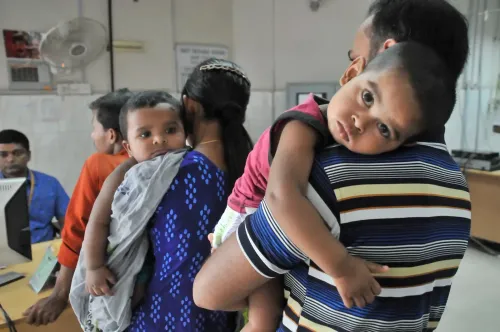
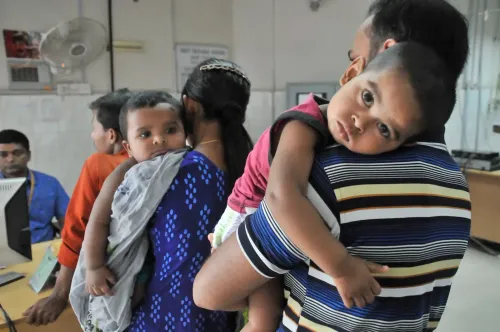
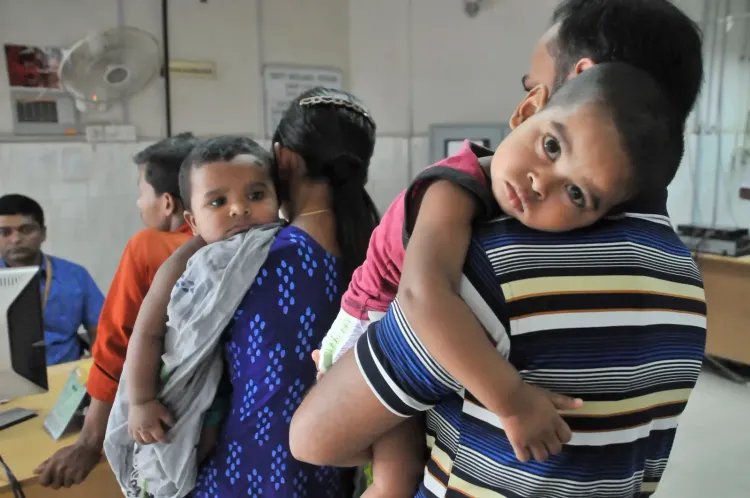
Bangladesh recorded seven more measles-related deaths in the 24 hours until 8 am on Sunday, 18 October 2026, pushing the total fatality count from the ongoing outbreak to 1,196. All seven deaths have been classified as measles-suspected fatalities by the country's Directorate General of Health Services (DGHS), deepening what international observers have already called one of Bangladesh's worst public health crises in recent history.
Latest Figures and Case Counts
With the seven fresh fatalities, total suspected measles deaths in Bangladesh now stand at 1,092, while confirmed deaths remain at 104, according to the DGHS. A further 1,254 suspected cases were reported in the same 24-hour window, raising the cumulative suspected case count to 213,244. Confirmed cases climbed by 65 in the period, bringing the national confirmed total to 23,122.
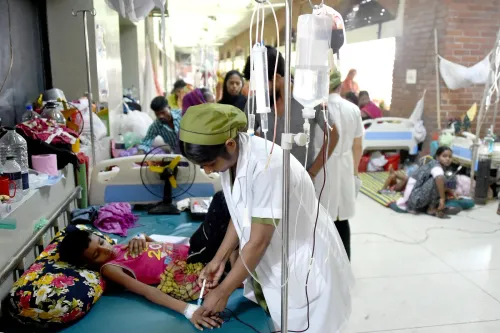
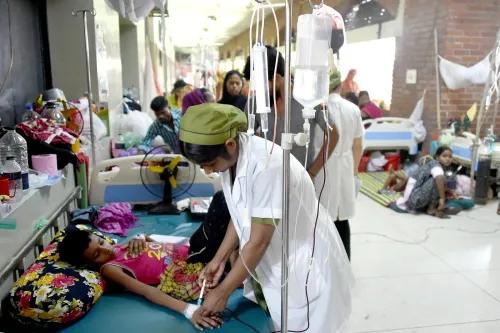
Since the outbreak began tracking on 15 March, as many as 189,484 suspected measles patients have been admitted to hospitals across Bangladesh. Of those, 181,756 have recovered and been discharged, according to DGHS data — though the gap between admissions and recoveries underlines the continued strain on healthcare facilities.
Why the Outbreak Is Not Slowing Down
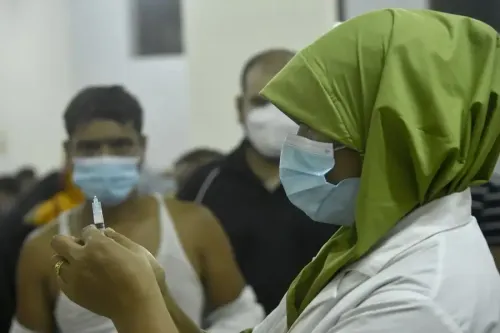
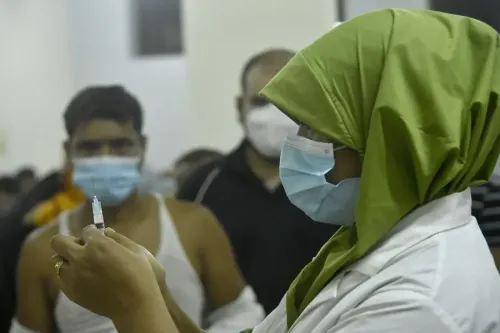
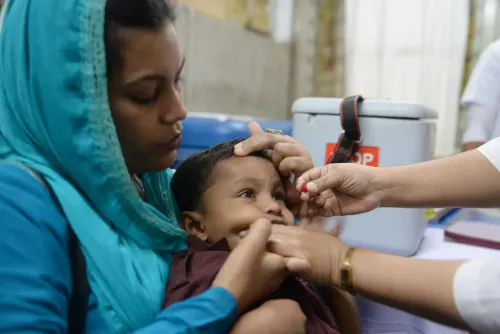
Despite Bangladesh reinstating vaccine procurement through UNICEF in April and launching an emergency vaccination drive shortly thereafter, public health experts warn the epidemic is unlikely to be contained quickly. Benazir Ahmed, former Director of Disease Control at the DGHS, said last week that the speed of transmission makes swift containment improbable.
Public health expert Mushtuq Husain explained that children generally require three to four weeks after vaccination to develop sufficient immunity. 'Therefore, the current wave of infections, hospitalisations and deaths may continue for at least another month,' he said. Experts have also linked the resurgence to gaps in prior vaccination coverage and weaknesses in hospital and patient management, including delays in identifying infected children and isolating them at home.
Root Causes: Vaccine Gaps and Policy Failures
Canada-based advocacy group Global Centre for Democratic Governance (GCDG) published a report titled 'Preventable Tragedy: Bangladesh's 2026 Measles Outbreak', stating that while the outbreak appeared sudden to the public, it was not unexpected from an epidemiological standpoint. The report identified a combination of factors: disruptions to vaccine supply and health programmes in 2024–2025 under the interim government led by Muhammad Yunus, missed routine vaccinations, cancellations of scheduled supplementary immunisation programmes, administrative delays in procurement, and a failure to identify at-risk populations in time.
Notably, measles is a vaccine-preventable disease, making the scale of this outbreak a stark indictment of systemic lapses rather than a failure of medical science. This pattern — where routine immunisation breakdown precedes an epidemic surge — has been observed in multiple low- and middle-income countries following political transitions or governance disruptions.
What Happens Next
With the immunity lag from the emergency vaccination drive still weeks away from taking full effect, health authorities face a difficult near-term window. The DGHS has not yet announced further escalation measures, but experts are calling for faster home isolation protocols and strengthened case detection at the community level. The trajectory of new daily cases will be closely watched in the coming weeks as the first vaccinated cohorts begin to develop protection.
Point of View
196 from a vaccine-preventable disease is not a natural disaster — it is a governance failure with a paper trail. The GCDG report's finding that supply disruptions and missed supplementary immunisation programmes under the Yunus interim government seeded this crisis deserves far more political accountability than it has received. Bangladesh reinstated UNICEF procurement in April, but that decision came months after the epidemiological window had already closed. The harder question is why routine immunisation was allowed to lapse in the first place, and whether the current government has put in place the institutional safeguards needed to prevent the next political transition from producing the next outbreak.
NationPress
18 Oct 2026
Frequently Asked Questions
What is the current death toll from the Bangladesh measles outbreak?
As of 18 October 2026, the total measles-related death toll in Bangladesh stands at 1,196, comprising 1,092 suspected deaths and 104 confirmed deaths, according to the Directorate General of Health Services (DGHS). Seven of those deaths were recorded in the 24 hours to Sunday morning alone.
How many measles cases have been reported in Bangladesh in 2026?
Bangladesh has recorded 213,244 cumulative suspected measles cases and 23,122 confirmed cases as of 18 October 2026. A total of 189,484 patients have been hospitalised since 15 March, of whom 181,756 have recovered.
Why is the Bangladesh measles outbreak so severe?
Public health experts attribute the scale of the outbreak to gaps in vaccination coverage and failures in hospital and patient management. The Global Centre for Democratic Governance (GCDG) also points to vaccine supply disruptions and cancelled immunisation programmes during the 2024–25 interim government led by Muhammad Yunus as key contributing factors.
Will the emergency vaccination drive stop the outbreak quickly?
Not immediately. Public health expert Mushtuq Husain has stated that children need three to four weeks after vaccination to develop sufficient immunity, meaning the current wave of infections and deaths could continue for at least another month despite the ongoing drive.
When did Bangladesh restart vaccine procurement and from whom?
Bangladesh reinstated vaccine procurement through UNICEF in April 2026, following a lapse during the previous interim government's tenure. An emergency vaccination drive was launched shortly thereafter, but experts say the outbreak's momentum means containment will take several more weeks.