Bangladesh measles death toll crosses 1,000 as outbreak spirals
Synopsis
Bangladesh's measles death toll has breached the 1,000 mark — a grim milestone for a disease that is entirely vaccine-preventable. With over 167,000 suspected cases and daily counts still above 1,000, experts blame systemic vaccination failures stretching back to 2024. The crisis is now being called one of the country's worst public health emergencies in recent history.
Key Takeaways
Three more children died of suspected measles on 9 September 2026 , pushing Bangladesh's death toll to 1,002 this year.
The DGHS has logged 167,580 suspected cases and 19,904 confirmed cases so far.
Of 1,002 deaths , only 100 are confirmed measles fatalities; 902 remain classified as suspected.
Experts cite inadequate vaccination coverage and disrupted immunisation programmes during 2024–2025 as root causes.
The GCDG called the outbreak a 'preventable tragedy' in a recent report, criticising delays under the former interim government.
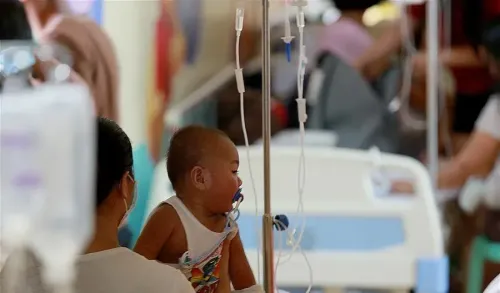
The measles outbreak in Bangladesh claimed three more lives on Wednesday, 9 September 2026, pushing the overall death toll past the 1,000-mark to 1,002 this year, according to local media reports. All three fatalities were children whose deaths have been classified as suspected measles cases by the Directorate General of Health Services (DGHS) in Dhaka.
Scale of the Crisis
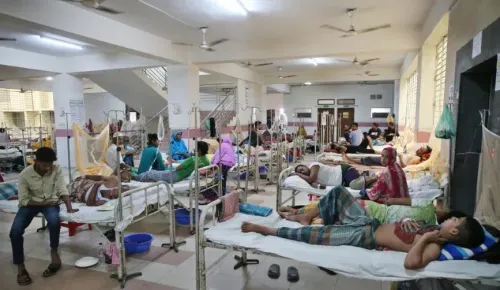
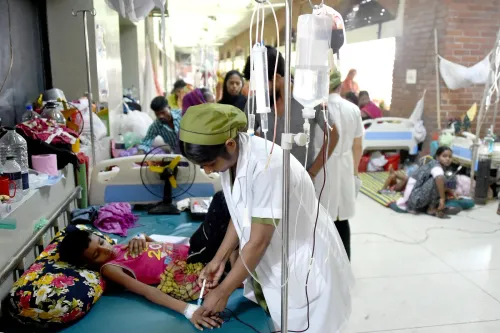
The DGHS recorded 1,119 new suspected measles cases in the 24-hour period ending Wednesday morning, taking the cumulative suspected case count to 167,580. An additional 69 confirmed cases were also logged, raising the confirmed tally to 19,904. Of the 1,002 total deaths, 100 have been confirmed as measles-related while 902 remain classified as suspected, according to reports.
Why Vaccination Gaps Are Fuelling the Spread
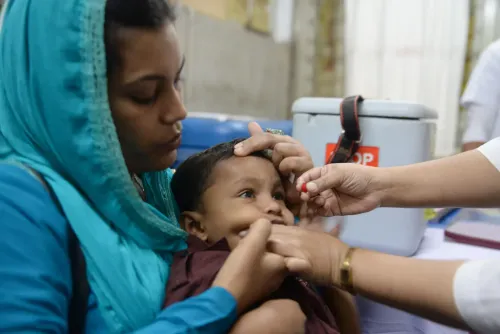
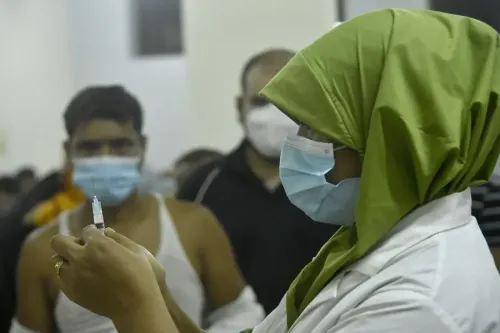
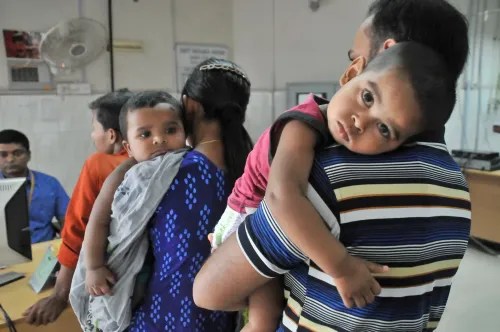
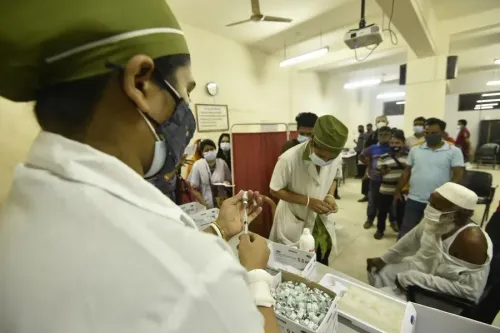
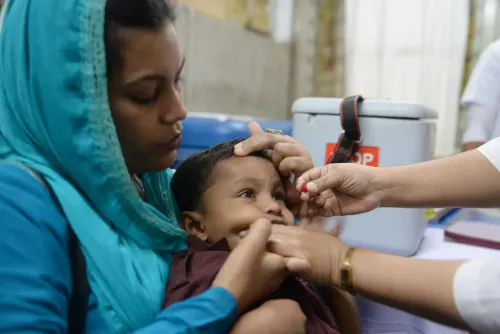
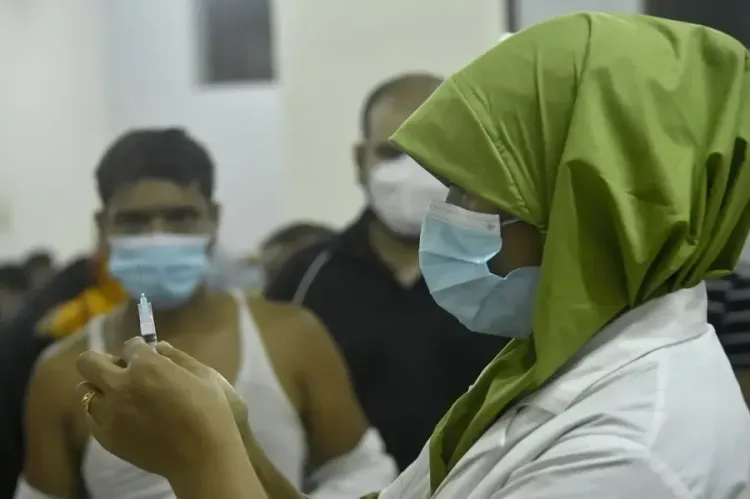
Public health experts have pointed to inadequate vaccination coverage and the absence of effective preventive measures as the primary drivers behind the crisis. Infants under six months — who are not yet eligible for the measles vaccine — are reportedly among the most vulnerable. The health authorities have acknowledged gaps in coverage, stating that additional vaccines are being procured and a short, intensive immunisation drive is likely to be launched to reach unvaccinated children, according to Bangladesh's leading newspaper The Daily Star.
Expert Recommendations
Epidemiologist Prof Mahmudur Rahman, who chairs the National Verification Committee for Measles and Rubella Elimination, urged the government to first constitute an expert panel to examine surveillance and immunisation data and identify where coverage has fallen short. He noted that gaps could be geographic, age-specific, or socioeconomic.
'If necessary, sub-immunisation activities (SIAs) should be conducted in those areas. Even if it is not possible to cover everywhere, focusing on areas with major gaps could produce results,' The Daily Star quoted Rahman as saying.
Rahman also stressed the need to strengthen broader public health measures to curb transmission. 'From the beginning of the outbreak, we have not adequately implemented public health measures. Now we have to do it because the number of cases continues to rise,' he said.
International Criticism
The Canada-based Global Centre for Democratic Governance (GCDG) recently described the 2026 measles outbreak as one of Bangladesh's worst public health crises in recent history, underlining that the disease is preventable through vaccination. In its report titled 'Preventable Tragedy: Bangladesh's 2026 Measles Outbreak', the GCDG stated that while the outbreak appeared sudden to the public, it was not unexpected from an 'epidemiological perspective'.
The report attributed the crisis to a combination of disruptions to vaccine supply and health programmes during 2024–2025 under the former interim government led by Muhammad Yunus, missed routine vaccinations, cancellation of scheduled supplementary immunisation programmes, administrative delays in vaccine procurement, and a failure to promptly identify at-risk populations.
What Lies Ahead
With daily suspected case counts still exceeding 1,000, epidemiologists warn that without targeted sub-national immunisation drives and stronger public health interventions, the death toll could continue to climb. The government's planned intensive vaccination campaign — if launched swiftly — will be closely watched as a potential turning point in a crisis that has already become one of the deadliest measles outbreaks globally in recent years.
Point of View
000 from a vaccine-preventable disease in 2026 is an indictment of systemic failure, not bad luck. The GCDG report's finding — that vaccine supply disruptions and missed routine immunisation during 2024–2025 seeded this crisis — deserves scrutiny beyond a single administration. Bangladesh had made significant strides in measles control over the prior decade; the speed of regression suggests that immunisation infrastructure was fragile rather than robust. The gap between 100 confirmed and 902 suspected deaths also raises questions about diagnostic capacity — a country logging over 1,000 new cases daily needs rapid lab confirmation, not classification limbo.
NationPress
13 Sept 2026
Frequently Asked Questions
How many people have died in the Bangladesh measles outbreak in 2026?
The death toll has reached 1,002 as of 9 September 2026. Of these, 100 deaths have been confirmed as measles-related, while 902 remain classified as suspected.
Why is the measles outbreak so severe in Bangladesh?
Experts attribute the severity to inadequate vaccination coverage, disruptions to vaccine supply during 2024–2025, missed routine immunisations, and a failure to promptly identify at-risk populations. Infants under six months, who are not yet eligible for vaccination, are particularly vulnerable.
How many measles cases have been reported in Bangladesh so far?
The DGHS has recorded 167,580 suspected cases and 19,904 confirmed cases as of 9 September 2026. Over 1,100 new suspected cases are still being reported daily.
What steps is the Bangladesh government taking to control the outbreak?
Health authorities have acknowledged vaccination gaps and said additional vaccines are being procured. A short, intensive immunisation drive targeting unvaccinated children is reportedly being planned.
What did the GCDG report say about the outbreak?
The Canada-based Global Centre for Democratic Governance called it a 'preventable tragedy' and said the outbreak was not unexpected from an epidemiological standpoint. It blamed disruptions to health programmes under the former interim government led by Muhammad Yunus during 2024–2025.