Giriraj Singh highlights Textiles Ministry push to revive Kashmir crafts
Synopsis
Union Textiles Minister Giriraj Singh has highlighted the ministry's push to revive Kashmir's iconic crafts — carpets, Sozni embroidery, papier-mâché and walnut wood carving — by providing artisans with modern tools and structured skill training under schemes including Samarth.
Key Takeaways
Union Textiles Minister Giriraj Singh posted on 28 October 2026 highlighting ministry efforts to preserve and upgrade Kashmir's traditional crafts.
The four crafts named: Kashmiri carpets, Sozni embroidery, papier-mâché , and walnut wood carving — all emblems of the valley's cultural identity.
The ministry's approach combines modern tools and skill development training to make heritage crafts economically viable for artisans.
The Samarth scheme , launched around 2017 , is the ministry's flagship skill-training programme for textile and handicraft workers, including those in Jammu and Kashmir .
The broader goal is to help crafts compete in modern markets and deter generational attrition among artisans.
Behind every Kashmiri carpet knotted by hand, every sozni needle tracing flowers on a shawl, lies a tradition measured in centuries — and today, Union Textiles Minister Giriraj Singh made clear his ministry intends to keep it alive. On Wednesday, 28 October 2026, Singh took to X to spotlight the Ministry of Textiles' ongoing effort to equip artisans of Kashmir's defining crafts with modern tools and structured skill training.
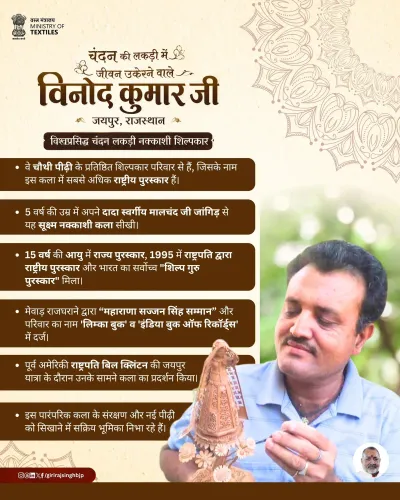
Singh's post, written in Hindi, named four crafts at the heart of the valley's cultural identity: Kashmiri carpets, sozni (Sozni) embroidery, papier-mâché, and walnut wood carving. 'These traditional arts are Kashmir's cultural identity,' he wrote, adding that the ministry is working to 'refine the artistry of craftspeople and carry forward this rich heritage' by providing them modern tools and skill training.
Four crafts, one endangered ecosystem
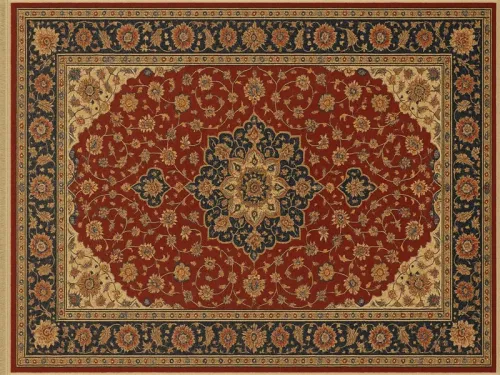
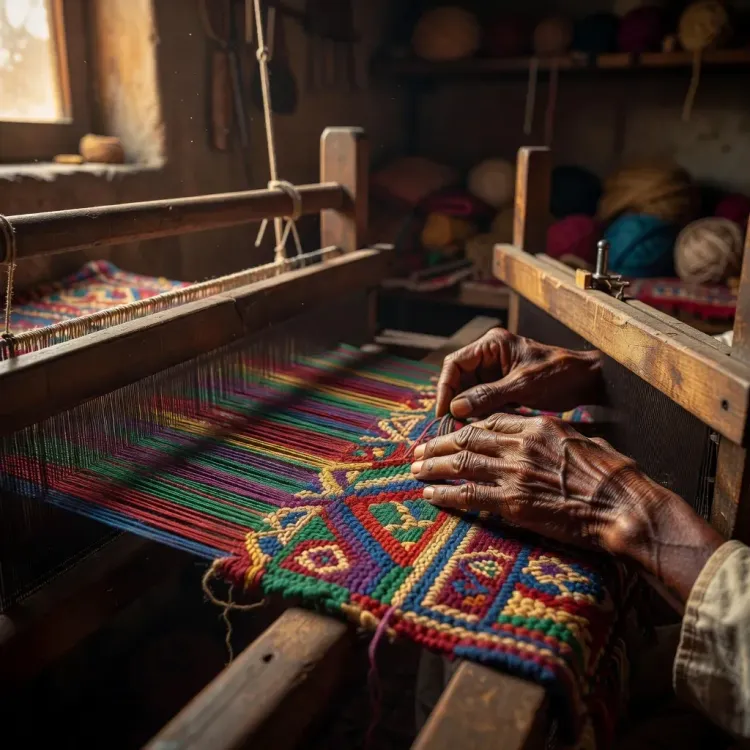
Kashmiri hand-knotted carpets are globally prized, with a single fine piece taking months to complete. Sozni embroidery — thread-thin needlework on pashmina and silk — can take a skilled craftsperson an entire year to finish a single shawl. Papier-mâché objects, lacquered and painted with intricate floral motifs, and walnut wood carving, a craft unique to the valley's abundance of the timber, complete the quartet. Together they represent not just cultural heritage but a livelihood ecosystem for thousands of Kashmiri households.
Yet these crafts have faced sustained pressure — from cheaper machine-made imitations, shifting consumer preferences, and a generational reluctance among younger artisans to invest years in mastering techniques that offer uncertain incomes. That erosion is precisely what the Ministry's intervention aims to reverse.
The Samarth scheme and the ministry's artisan push
The Ministry of Textiles has been running structured programmes to upgrade both tools and skills for artisans across India's traditional craft belts. The ministry's Samarth scheme, launched around 2017, was designed to provide skill development training to textile and handicraft workers, with a deliberate focus on regions like Jammu and Kashmir where heritage crafts are both economically significant and culturally irreplaceable.
The logic is straightforward: give a walnut-wood carver a better set of chisels and a module on finishing techniques, and the same design quality becomes achievable in less time — making the craft viable rather than romantic. Modern tools lower the physical barrier; training standardises quality to meet export expectations. Both are preconditions for these crafts surviving the market, not just museums.
Singh's broader cultural-economy framing
Singh's post fits a pattern in which the Ministry of Textiles has increasingly framed India's handloom and handicraft sectors not merely as welfare concerns but as cultural-economy assets with serious export potential. Jammu and Kashmir's handicraft sector, in particular, carries symbolic weight beyond economics — government investment here is simultaneously a cultural preservation signal and a development-dividend argument for the Union Territory.
For the artisans themselves — the carpet weaver in Srinagar, the embroiderer in Budgam, the papier-mâché painter in a workshop off the old city — what matters is whether the tools arrive and whether the training translates into better prices at the market. That ground-level question will ultimately define whether the ministry's stated intent becomes measurable impact.
A heritage this intricate took generations to build. Whether it takes one more generation or loses the thread entirely may now hinge on how effectively modern support systems reach the hands that hold the needle.
Point of View
And cultural diplomacy through a visible government stake in the valley's heritage. The framing of artisan welfare as 'carrying forward a rich heritage' rather than mere welfare spending is a deliberate political choice — it aligns the BJP's cultural nationalism with developmental optics in a Union Territory that remains a political priority. The Samarth scheme gives the claim institutional grounding, but the scheme's reach and measurable outcomes in J&K remain the real test of this intent. Sustained follow-through — not just ministerial posts — will determine whether this becomes a genuine craft renaissance or a well-photographed gesture.
NationPress
28 Oct 2026
Frequently Asked Questions
What did Giriraj Singh say about Kashmir crafts?
Union Textiles Minister Giriraj Singh stated that traditional arts like Kashmiri carpets, Sozni embroidery, papier-mâché and walnut wood carving are Kashmir's cultural identity, and that the Ministry of Textiles is providing artisans with modern tools and skill training to refine their craft and preserve this heritage.
What is the Samarth scheme for artisans?
The Samarth scheme is a Ministry of Textiles initiative launched around 2017 to provide structured skill development training to workers in the textile and handicraft sectors, including traditional craft artisans in Jammu and Kashmir.
Which Kashmir crafts is the Textiles Ministry supporting?
The Ministry of Textiles is supporting artisans engaged in Kashmiri hand-knotted carpets, Sozni embroidery, papier-mâché, and walnut wood carving — four crafts central to Kashmir's cultural and economic identity.
Why are Kashmir's traditional crafts under threat?
Kashmir's traditional crafts face pressure from cheaper machine-made imitations, changing consumer preferences, and a generational reluctance among younger artisans to invest years mastering skills that offer uncertain incomes — making government support critical to their survival.
What is Sozni embroidery?
Sozni is an intricate needle embroidery tradition from Kashmir, typically worked on pashmina or silk fabric with extremely fine thread. A single high-quality piece can take a skilled craftsperson a year or more to complete, making it one of the most labour-intensive textile arts in the world.