Odisha CM Majhi: Vigilance conviction rate climbs to 65%

Synopsis
The Chief Minister's Office of Odisha announced that the state's Vigilance conviction rate has risen from 50% in 2025 to around 65% in 2026, citing stronger enforcement under CM Mohan Charan Majhi's zero-tolerance anti-corruption agenda since the BJP government took office in June 2024.
Key Takeaways
The Odisha Vigilance conviction rate rose from 50% in 2025 to approximately 65% in 2026 , a 15-percentage-point increase .
Chief Minister Mohan Charan Majhi has anchored his government's identity around a zero-tolerance corruption policy since taking office in June 2024 .
The Odisha Vigilance Department is the state body responsible for investigating and prosecuting corruption cases involving public servants.
The BJP government's 2024 election win ended over two decades of BJD rule , with the new administration signalling a governance reset through accountability metrics.
The Odisha Vigilance Department's official annual report will be the key document to watch for independent verification of the cited figures.
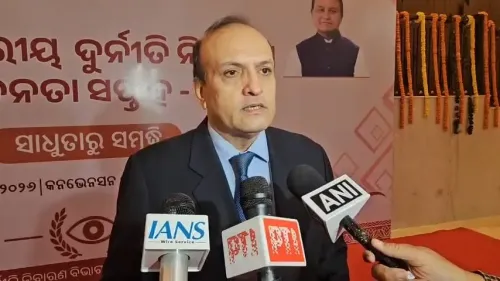
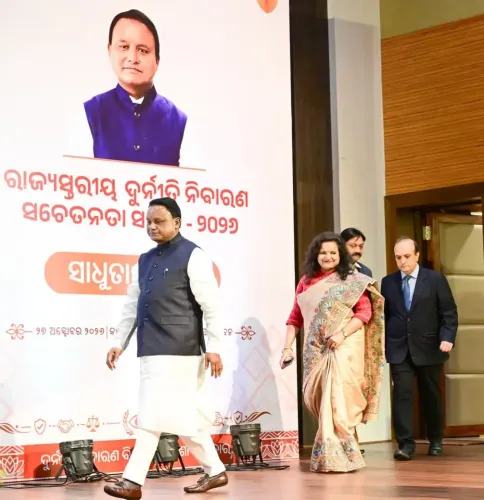
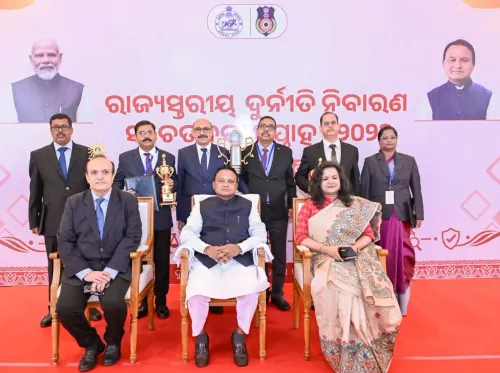
A single statistic is doing heavy lifting for Odisha's BJP government today: the state's Vigilance conviction rate has climbed from 50% in 2025 to approximately 65% in 2026 — a 15-percentage-point jump that the Chief Minister's Office of Odisha is now holding up as proof that its zero-tolerance anti-corruption pledge is more than rhetoric.
The conviction number and what drives it
The Odisha Vigilance Department — the state agency tasked with investigating and prosecuting corruption cases against public servants — has been the operational engine behind this shift. Under Chief Minister Mohan Charan Majhi, who took office in June 2024 after the BJP's landmark victory ended over two decades of Biju Janata Dal (BJD) rule, the department has operated under an explicit government mandate: pursue cases harder, close them faster, convict more. The CMO framed the result plainly: 'transparent governance, strict action against corruption and public service rooted in integrity.'
Conviction rate — the share of concluded trials that end in a guilty verdict — is a tighter accountability metric than the number of arrests or charge-sheets filed, which can be inflated without ever reaching a courtroom conclusion. A rise from 50% to 65% suggests either a sharper pre-trial case-building process, more focused prosecution, or both.
The political context of Odisha's 2024 power shift
The 2024 Odisha state elections handed the BJP an outright majority, ending BJD's 24-year grip on the state. Majhi's government moved quickly to plant an anti-corruption flag, making zero-tolerance messaging central to its early governance identity. Indian state governments have long deployed vigilance statistics as a way to signal a break from their predecessors — but the credibility of those signals ultimately depends on independently verified annual reports from the Vigilance Department, which remain the benchmark to watch.
What distinguishes this particular announcement is its specificity: a percentage figure tied to a named year, not a vague directional claim. Whether that figure holds up against the department's forthcoming official annual report will determine how much political and public weight it carries.
What Odisha's citizens and public servants can expect next
The practical stakes are real for Odisha's public servants and citizens alike. A higher conviction rate, if sustained, reshapes the deterrence calculus — officials know that an investigation is more likely to end in a courtroom loss than a quiet acquittal. For citizens, it is the clearest measurable signal yet that the governance promise made in 2024 is being tracked in numbers, not just words.
The next checkpoint will be the release of the Odisha Vigilance Department's official annual report, where case disposal data, trial outcomes, and any proposed legislative reforms will either validate or complicate today's headline figure. That document, whenever it lands, will be the real verdict on Majhi's anti-corruption scorecard.
Point of View
A harder standard to dodge. Across India, incoming state governments routinely weaponise vigilance statistics to draw contrast with predecessors, but those numbers rarely survive independent scrutiny unless backed by published departmental data. The real test will come when Odisha's official Vigilance annual report is released; if the 65% figure is corroborated, it sets a meaningful benchmark for the BJP's 2029 re-election narrative. If it isn't, the specificity that made the claim credible will become its liability.
NationPress
28 Oct 2026
Frequently Asked Questions
What is Odisha's Vigilance conviction rate in 2026?
According to the Chief Minister's Office of Odisha, the state's Vigilance conviction rate is approximately 65% in 2026, up from 50% in 2025.
What is the Odisha Vigilance Department?
The Odisha Vigilance Department is the state government agency responsible for investigating and prosecuting corruption cases involving public servants in Odisha.
Who is Mohan Charan Majhi?
Mohan Charan Majhi is the Chief Minister of Odisha, leading the BJP government that came to power after the June 2024 state elections, ending over two decades of BJD rule.
What is Odisha's zero-tolerance corruption policy?
Since taking office in June 2024, CM Majhi's government has publicly committed to a zero-tolerance policy on corruption, using the Vigilance Department to pursue stronger enforcement and higher conviction rates against corrupt public servants.
How is the Odisha government measuring its anti-corruption progress?
The Odisha government is citing the Vigilance Department's conviction rate — the percentage of completed trials resulting in guilty verdicts — as its primary measurable indicator of anti-corruption enforcement. The official annual Vigilance report will provide independently verifiable data.