Bangladesh measles outbreak: Death toll hits 1,076 as 11 more children die
Synopsis
Bangladesh's measles outbreak has now killed 1,076 people in 2026 — a crisis that public health experts say was entirely preventable. With over 183,000 suspected cases and vaccine coverage gaps traced back to disruptions under the former interim government, a Canada-based watchdog has called it one of the country's worst modern public health failures. An emergency immunisation drive is reportedly being planned, but the clock is running.
Key Takeaways
11 more children died from measles symptoms in Bangladesh on Wednesday, 23 September 2026 , raising the total death toll to 1,076 .
Confirmed deaths stand at 101 ; suspected deaths have reached 975 , according to the DGHS .
Total suspected cases reached 183,449 ; confirmed cases stand at 20,851 .
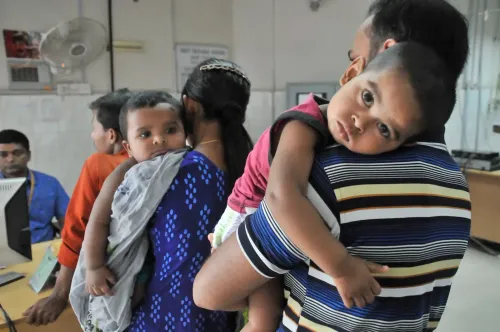
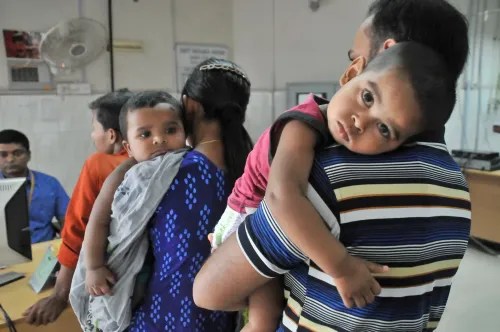
Infants under six months are identified as especially vulnerable due to inadequate vaccination coverage.
Canada-based GCDG linked the outbreak to vaccine supply disruptions and programme cancellations during 2024–2025 under former interim PM Muhammad Yunus .
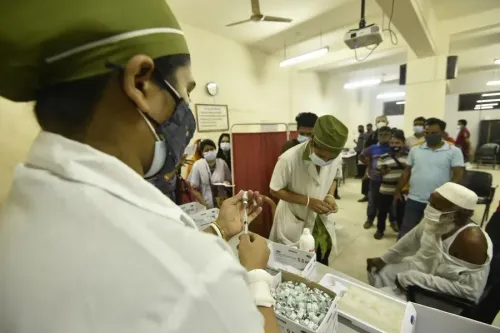
An emergency immunisation drive is reportedly being planned; health experts have called for an independent expert panel to audit coverage data.
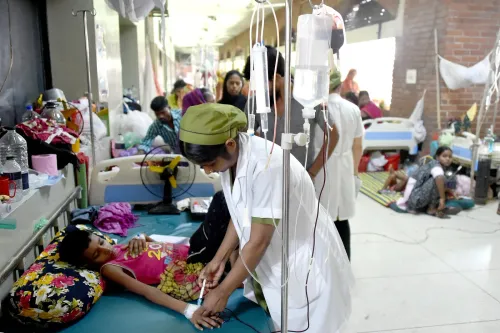
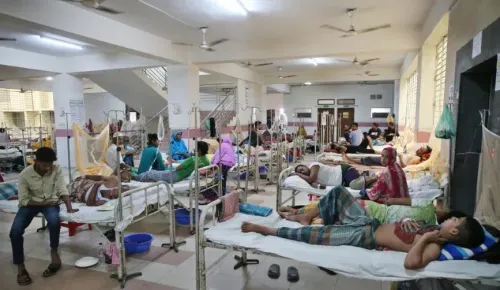
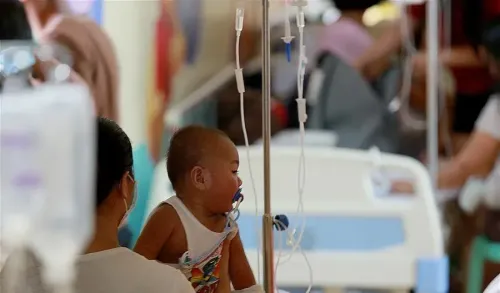
Bangladesh's measles outbreak has claimed 11 more lives in a single day, pushing the total death toll to 1,076 in 2026, according to local media reports citing the country's health directorate. The latest fatalities, recorded in the 24 hours leading up to Wednesday morning, were classified as suspected cases, bringing the scale of the crisis to alarming proportions.
Scale of the Outbreak
According to the Directorate General of Health Services (DGHS), confirmed deaths remain at 101, while suspected deaths have climbed to 975. The outbreak has also seen a sharp surge in case numbers — 1,157 new suspected cases were logged in the same 24-hour period, raising the overall suspected case tally to 183,449. An additional 113 confirmed cases were recorded, bringing the total confirmed count to 20,851.
Why the Outbreak Spread
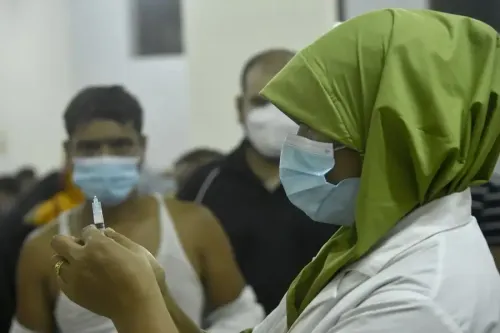
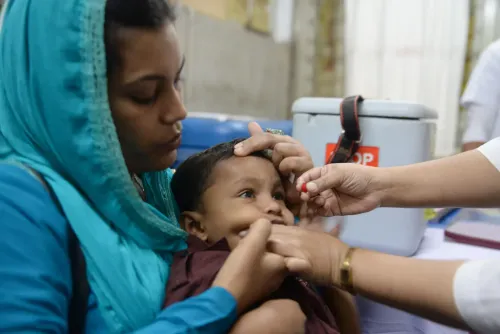
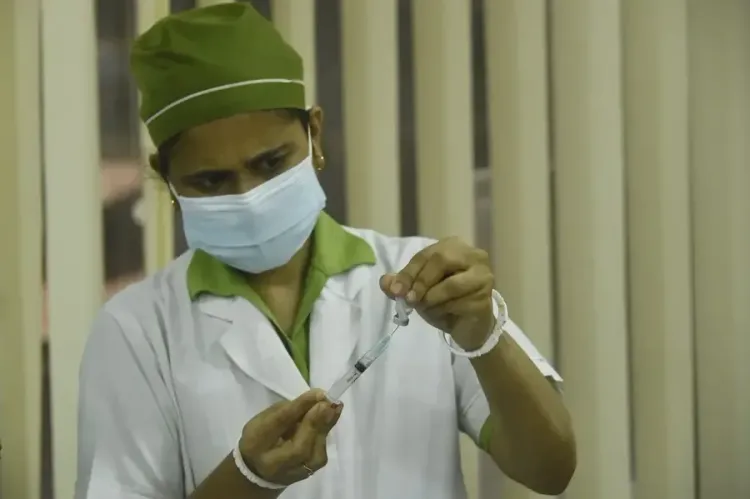
Public health experts, speaking earlier this month, attributed the crisis to inadequate vaccination coverage and a breakdown in preventive measures. Infants under six months have been identified as particularly vulnerable. The DGHS acknowledged gaps in vaccination coverage and indicated that additional vaccines were being procured; health authorities also indicated that a short, intensive immunisation drive was likely to be launched to reach unvaccinated children, according to Bangladeshi newspaper The Daily Star.
Expert Recommendations
Epidemiologist Prof Mahmudur Rahman, who also chairs the National Verification Committee for Measles and Rubella Elimination, said the government should first constitute an expert panel to examine surveillance and immunisation data and identify gaps in coverage. His call for a structured review reflects broader concern among public health officials that the crisis may deepen without a data-driven response.
International Scrutiny and Historical Context
Canada-based advocacy group Global Centre for Democratic Governance (GCDG) released a report titled 'Preventable Tragedy: Bangladesh's 2026 Measles Outbreak', describing it as one of the country's worst public health crises in recent history. The report noted that while the outbreak appeared sudden to the public, it was not unexpected from an 'epidemiological perspective.' According to the GCDG, the crisis stemmed from a combination of disrupted vaccine supply chains and health programmes in 2024–2025 during the former interim government led by Muhammad Yunus, alongside missed routine vaccinations, cancelled supplementary immunisation drives, administrative delays in procurement, and a failure to promptly identify at-risk populations.
What Happens Next
With Bangladesh's health authorities racing to procure additional vaccines and plan an emergency immunisation campaign, the trajectory of the outbreak will depend on how quickly coverage gaps can be addressed. The disease remains entirely preventable through vaccination — making the scale of mortality all the more stark. Observers warn that without a credible, independent audit of the immunisation data, the response risks repeating the same systemic gaps that allowed the crisis to take root.
Point of View
076 from a vaccine-preventable disease is not a natural disaster — it is a governance failure. The GCDG report's finding that vaccine supply chains and immunisation programmes were disrupted during 2024–2025 places accountability squarely on administrative decisions, not epidemiological inevitability. What makes this particularly troubling is the gap between confirmed and suspected deaths: with only 101 of 1,076 deaths confirmed, Bangladesh's disease surveillance system appears to be operating well below the standard needed to contain, let alone eliminate, measles. Without an independent audit of immunisation data — as Prof Rahman has recommended — any emergency campaign risks being built on flawed baseline numbers, ensuring the next outbreak is already in the making.
NationPress
23 Sept 2026
Frequently Asked Questions
What is the current death toll from the Bangladesh measles outbreak in 2026?
As of 23 September 2026, the total measles-related death toll in Bangladesh has reached 1,076, following 11 additional deaths reported in a single 24-hour period. Of these, 101 are confirmed deaths and 975 are classified as suspected.
How many measles cases have been recorded in Bangladesh in 2026?
According to the DGHS, total suspected cases have reached 183,449, while confirmed cases stand at 20,851. A single 24-hour period saw 1,157 new suspected cases and 113 new confirmed cases added to the tally.
Why has the measles outbreak in Bangladesh been so severe?
Public health experts attribute the outbreak to inadequate vaccination coverage, missed routine vaccinations, and disruptions to vaccine supply chains and health programmes during 2024–2025. The Canada-based GCDG also cited administrative delays in procurement and a failure to identify at-risk populations in time.
Who is most at risk from the Bangladesh measles outbreak?
Infants under six months are identified as particularly vulnerable, as they may not yet be eligible for vaccination and rely on herd immunity for protection. Children who missed routine or supplementary immunisation rounds are also at elevated risk.
What steps are Bangladesh's health authorities taking to control the outbreak?
The DGHS has acknowledged vaccination coverage gaps and is procuring additional vaccines. An intensive, short-duration immunisation drive is reportedly being planned to reach unvaccinated children. Epidemiologist Prof Mahmudur Rahman has also called for the government to constitute an expert panel to audit surveillance and immunisation data.