Bangladesh measles death toll hits 656 as outbreak defies vaccination drive
Synopsis
Bangladesh's measles toll has hit 656 — yet the government claims vaccination coverage topped 100%. With over 1,000 children hospitalised daily and UNICEF revealing it sent repeated warnings about vaccine shortages that went unheeded, the crisis is as much a governance failure as a public health emergency.
Key Takeaways
Bangladesh's measles death toll rose to 656 after four more children died in the 24 hours ending 8 am, Monday 16 June 2025 .
Cumulative figures: 93 confirmed deaths , 563 suspected deaths , 10,387 confirmed infections , and 86,923 suspected cases .
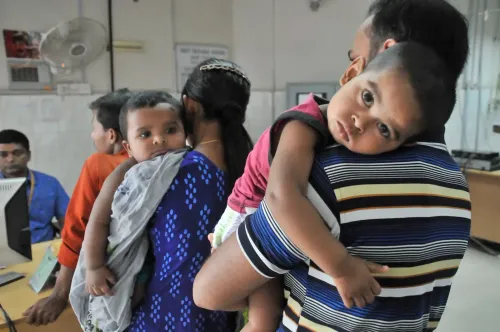
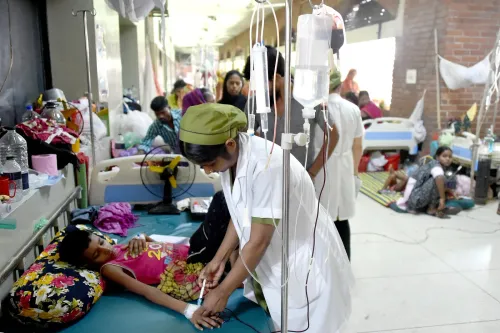
Hospitals are admitting more than 1,000 children daily despite the government reporting vaccination coverage above 100 per cent .
Former DGHS director Be-Nazir Ahmed warned that official targets may exclude thousands of unvaccinated children, making coverage figures unreliable.
UNICEF sent five to six letters and held 10 meetings with health authorities warning of vaccine shortages — alerts that went unaddressed by the previous interim government.
Since 15 March , 71,467 patients have been hospitalised; 67,878 have recovered.
Bangladesh's measles outbreak claimed four more children's lives in the 24 hours ending 8 am on Monday, 16 June 2025, pushing the country's total measles fatality count to 656, according to local media reports. The Directorate General of Health Services (DGHS) classified one of the four deaths as a confirmed measles fatality and the remaining three as suspected, bringing cumulative confirmed deaths to 93 and suspected deaths to 563.
Scale of the Outbreak
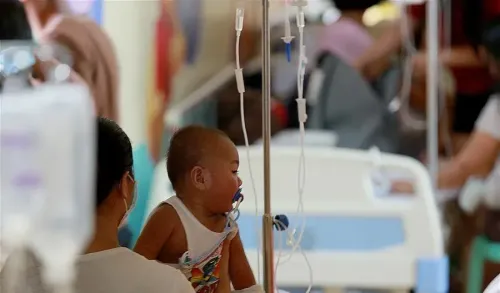
During the same 24-hour period, 972 new suspected measles cases and 64 new laboratory-confirmed infections were reported across Bangladesh. Cumulative figures now stand at 86,923 suspected cases and 10,387 confirmed infections. Since 15 March, a total of 71,467 patients with suspected measles have been admitted to hospitals nationwide, of whom 67,878 have recovered, according to the DGHS.
Why the Outbreak Persists Despite High Vaccination Claims
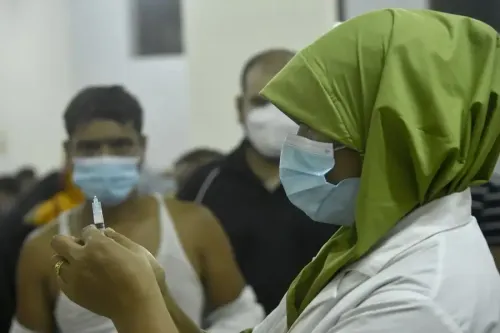
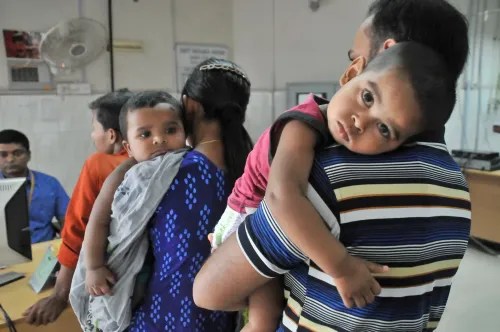
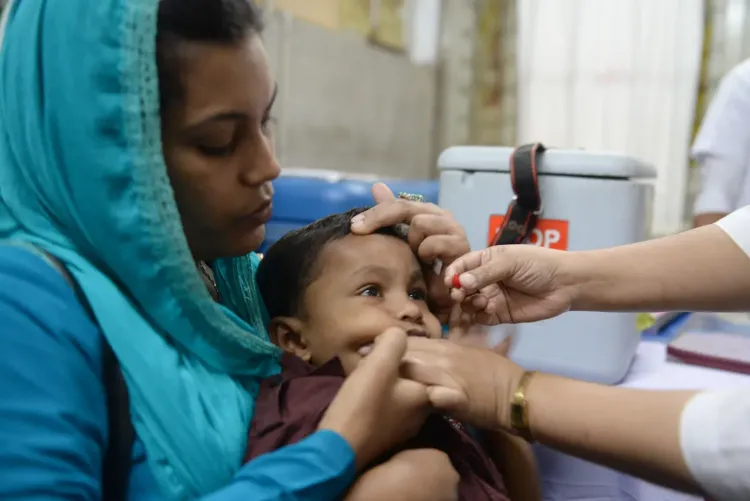
The crisis has deepened a troubling contradiction: the government has reported vaccination coverage exceeding 100 per cent of targeted children following a nationwide emergency measles vaccination drive that concluded more than a month ago — yet hospitals continue to admit more than 1,000 children daily with measles or measles-like symptoms, and fatalities keep rising.
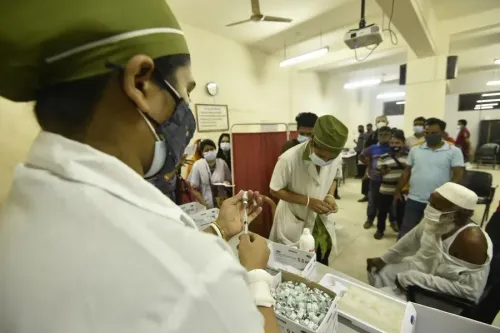
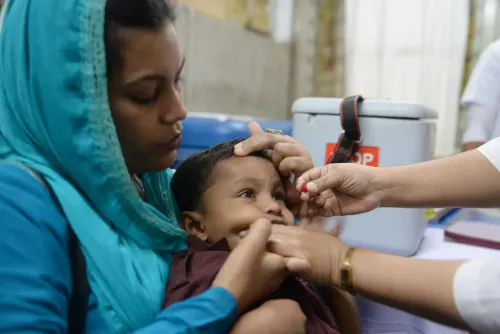
Immunisation experts have raised serious concerns about the credibility of official coverage figures. Be-Nazir Ahmed, former Director of the government's disease control branch, warned that the numbers may not reflect ground reality. 'Measles transmission should decline significantly once vaccine coverage exceeds 90 per cent. If vaccination has truly reached the reported level, then infections should have fallen much more sharply by now,' he said. Ahmed also cautioned that official targets may not accurately capture the true size of the eligible child population. 'In some cases, coverage may appear to be 100 per cent on paper while thousands of children remain unvaccinated in reality,' he added.
UNICEF's Repeated Warnings Went Unheeded
The United Nations Children's Fund (UNICEF) has disclosed that it repeatedly alerted Bangladesh's earlier interim government — led by Muhammad Yunus — about critical vaccine shortages that risked triggering a major health crisis. Rana Flowers, UNICEF's representative to Bangladesh, said the agency sent five to six letters to health authorities and raised the matter across 10 separate meetings with Health Ministry officials during the previous government's tenure.
'From 2024, we were warning the government that the shortage of vaccines could lead to an outbreak. From 2024 to 2025 and into 2026, we sent letters, and we had 10 different meetings, signalling this was a problem and that orders for vaccines needed to be given. They could not,' Flowers said at a press briefing in Dhaka. UNICEF Deputy Executive Director Ted Chaiban also raised vaccine shortage concerns directly with the Foreign Ministry during his visit to Bangladesh in August last year.
What Comes Next
With daily hospital admissions still exceeding 1,000 and the death toll climbing, public health authorities face mounting pressure to reconcile official vaccination data with on-the-ground transmission rates. Independent verification of coverage figures and a credible audit of vaccine cold-chain gaps are likely to be central to any effective response in the weeks ahead.
Point of View
000 children are hospitalised daily is a statistical impossibility — and experts are saying so on record. The real story here is not just an outbreak but a data credibility crisis: if official coverage figures cannot be trusted, no intervention can be accurately targeted. UNICEF's disclosure that it sent repeated written warnings across two years and ten meetings, all without triggering a vaccine procurement response, points to a systemic failure of institutional accountability that predates the current government. Bangladesh's measles crisis should prompt a hard look at how vaccination data is collected, verified, and acted upon across South Asia.
NationPress
24 Sept 2026
Frequently Asked Questions
What is the current measles death toll in Bangladesh?
As of 8 am on Monday, 16 June 2025, Bangladesh's measles death toll stands at 656, comprising 93 laboratory-confirmed deaths and 563 suspected fatalities, according to the Directorate General of Health Services (DGHS). Four children died in the preceding 24-hour period alone.
Why is the measles outbreak continuing despite a vaccination drive?
The government reported vaccination coverage exceeding 100% of targeted children, yet hospitals are still admitting over 1,000 children daily with measles or measles-like symptoms. Experts, including former DGHS director Be-Nazir Ahmed, say official targets may not capture the true eligible population, meaning thousands of children could remain unvaccinated despite the figures appearing complete on paper.
What did UNICEF warn Bangladesh about before the outbreak?
UNICEF says it sent five to six letters and held 10 meetings with Bangladesh's health authorities between 2024 and 2026, warning that vaccine shortages could trigger a major outbreak. UNICEF representative Rana Flowers said the previous interim government, led by Muhammad Yunus, did not act on those warnings to place vaccine orders.
How many children have been hospitalised since the outbreak began?
Since 15 March, a total of 71,467 patients with suspected measles have been admitted to hospitals across Bangladesh. Of those, 67,878 have recovered, according to the DGHS.
What are the total confirmed measles cases in Bangladesh?
As of the latest update, Bangladesh has recorded 10,387 laboratory-confirmed measles infections and 86,923 suspected cases. The gap between confirmed and suspected figures reflects limits in testing capacity across the country.