Bangladesh measles outbreak: Death toll hits 642 as cases cross 83,000
Synopsis
Bangladesh has recorded 642 measles-related deaths and over 83,000 suspected cases — yet the government claims its emergency vaccination drive exceeded 100% coverage. Public health experts are now questioning whether those numbers reflect reality, warning that thousands of children may have been missed entirely.
Key Takeaways
Bangladesh's measles death toll — confirmed and suspected combined — has reached 642 as of 11 June 2025 .
Three new suspected measles deaths were recorded in the 24 hours ending 8 am Thursday , per the DGHS .
Total suspected cases stand at 83,139 ; laboratory-confirmed infections at 10,059 .
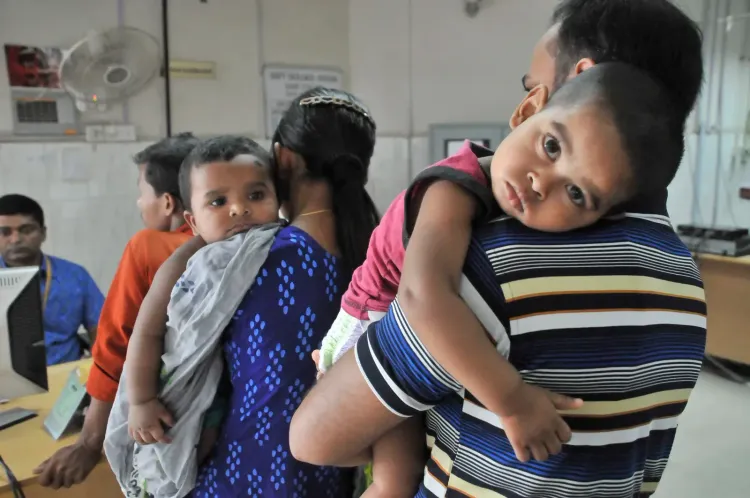
Hospitals are admitting more than 1,000 children daily despite a completed nationwide emergency vaccination drive.
Former disease control director Be-Nazir Ahmed warns official coverage data may overstate the true number of vaccinated children.
Since 15 March , 68,056 patients have been hospitalised; 64,293 have recovered.
Bangladesh's measles outbreak has claimed 642 lives in total — confirmed and suspected — after three more children died within a 24-hour window ending at 8 am on Thursday, 11 June, according to the country's Directorate General of Health Services (DGHS). The deaths push the suspected fatality count alone to 550, while laboratory-confirmed deaths remain unchanged, underscoring the scale of a crisis that shows no sign of abating.
Latest Case and Death Figures
The three newest fatalities were classified as suspected measles deaths by the DGHS. The number of laboratory-confirmed measles deaths has not risen, but the suspected toll continues to climb. During the same 24-hour period, Bangladesh recorded 1,110 new suspected cases and 132 new confirmed infections, bringing cumulative totals to 83,139 suspected cases and 10,059 laboratory-confirmed cases respectively.
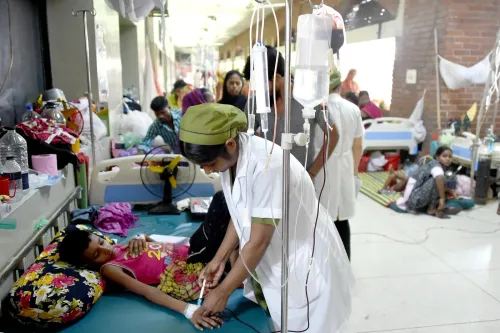
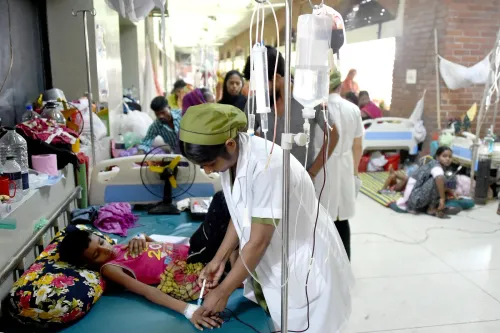
Since 15 March, a total of 68,056 patients with suspected measles have been hospitalised across the country. Of these, 64,293 have recovered, according to the DGHS.
Vaccination Drive Falls Short Despite 100% Coverage Claims
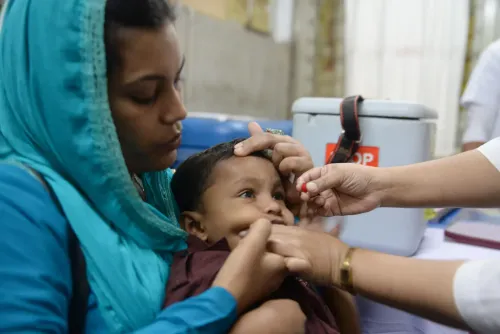
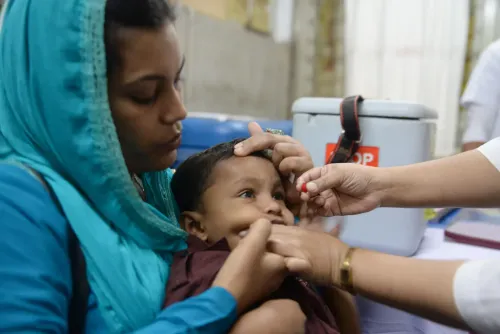
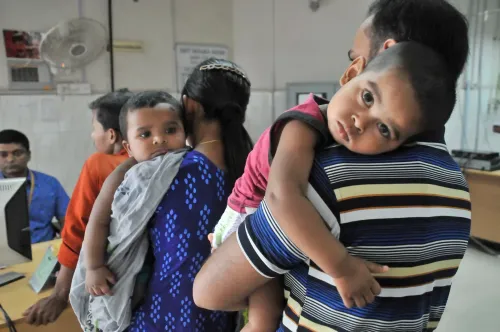
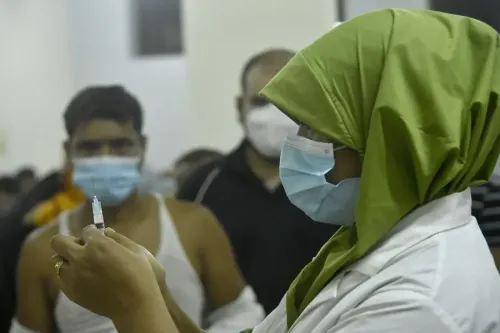
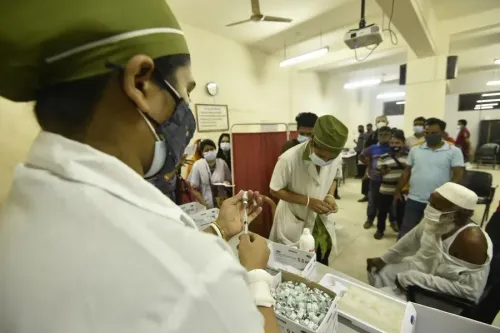
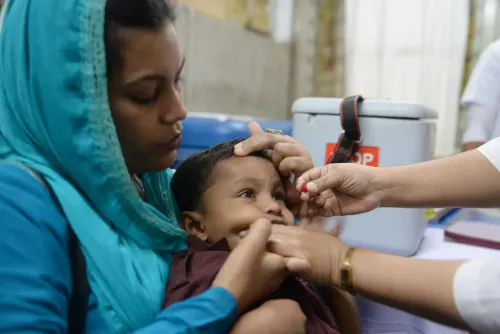
The persistence of the outbreak is drawing sharp scrutiny from public health experts, particularly given the government's assertion that a nationwide emergency measles vaccination drive — concluded more than a month ago — achieved coverage exceeding 100 per cent of targeted children. Despite that claim, hospitals across Bangladesh are still admitting more than 1,000 children daily with measles or measles-like symptoms, according to reports from leading Bangladeshi daily Dhaka Tribune.
Immunisation specialists warn that high reported coverage figures do not automatically translate into population-level immunity. The critical threshold for halting measles transmission is widely accepted to be above 90 per cent effective coverage — but achieving that on paper and in practice are two different things.
Experts Question Data Integrity and Immune Response
Be-Nazir Ahmed, former director of the government's disease control branch, has raised pointed questions about the reliability of official vaccination statistics. “Measles transmission should decline significantly once vaccine coverage exceeds 90 per cent. If vaccination has truly reached the reported level, then infections should have fallen much more sharply by now,” he was quoted as saying by Dhaka Tribune.
Ahmed also flagged the possibility that official targets may not accurately reflect the true size of the eligible child population. “In some cases, coverage may appear to be 100 per cent on paper while thousands of children remain unvaccinated in reality,” he added. This points to a structural gap in how Bangladesh counts and reaches its most vulnerable children — a concern that immunisation experts say is not unique to this outbreak.
What Happens Next
With daily admissions still exceeding 1,000 and fatalities continuing to mount, pressure is building on health authorities to conduct an independent audit of vaccination records and to identify geographical pockets where coverage has effectively failed. The outbreak, now stretching across multiple months, is one of the most severe measles crises in the region in recent years. Public health analysts say the coming weeks will be critical in determining whether the epidemic curve begins to flatten or continues its upward trajectory.
Point of View
000 daily hospital admissions. That contradiction points to a data integrity problem at the heart of Bangladesh's immunisation system. If eligible-child population figures are undercounted, coverage rates are inflated by design, not by deception — but the effect is the same: real children go unvaccinated while officials report success. This outbreak should prompt a hard regional conversation about how South Asian health systems count, verify, and audit vaccination rolls, because the gap between reported and effective coverage is where epidemics survive.
NationPress
26 Sept 2026
Frequently Asked Questions
What is the current death toll from the Bangladesh measles outbreak?
The total number of confirmed and suspected measles deaths in Bangladesh has reached 642 as of 11 June 2025, after three more children died within a 24-hour period ending at 8 am Thursday. Of these, 550 are classified as suspected measles deaths, with the laboratory-confirmed death count remaining unchanged.
How many measles cases have been reported in Bangladesh?
As of 11 June 2025, Bangladesh has recorded 83,139 suspected measles cases and 10,059 laboratory-confirmed infections. A further 1,110 suspected cases and 132 confirmed cases were added in the most recent 24-hour reporting window.
Why is the outbreak continuing despite a completed vaccination drive?
Bangladesh's government has claimed its emergency vaccination drive exceeded 100% coverage of targeted children, yet hospitals continue to admit over 1,000 children daily. Public health experts, including former disease control director Be-Nazir Ahmed, suggest that official targets may undercount the true eligible population, meaning thousands of children could remain unvaccinated despite figures showing full coverage.
What do health experts say about Bangladesh's vaccination data?
Be-Nazir Ahmed, former director of the government's disease control branch, has said that measles transmission should fall sharply once coverage exceeds 90%, and the fact that it has not suggests the reported coverage figures are unreliable. He warned that coverage can appear to be 100% on paper while large numbers of children remain unvaccinated in practice.
How many children have recovered from measles in Bangladesh?
Since 15 March, a total of 68,056 patients with suspected measles have been hospitalised in Bangladesh. Of these, 64,293 have recovered, according to the Directorate General of Health Services.