Bangladesh measles outbreak: Death toll crosses 652, 85,951 cases reported
Synopsis
Bangladesh's measles crisis is deepening despite the government claiming over 100% vaccination coverage — a claim experts are openly questioning. With 652 deaths and more than 85,000 suspected cases, the outbreak exposes a dangerous gap between reported immunisation figures and real-world protection, raising urgent questions about data integrity in one of South Asia's worst recent measles surges.
Key Takeaways
Four more children died of suspected measles in Bangladesh in the 24 hours to 8 a.m. on 14 June , raising the total death toll to 652 .
Suspected measles deaths stand at 560 ; laboratory-confirmed deaths remain at 92 .
Total suspected cases have reached 85,951 ; confirmed infections stand at 10,323 .
Since 15 March , 70,579 patients have been hospitalised; 66,841 have recovered, per DGHS data.
The government claims vaccination coverage has exceeded 100% of the target, but experts say infections should have fallen sharply if that were accurate.
Former disease control chief Be-Nazir Ahmed warned that paper coverage of 100% can coexist with thousands of children remaining unvaccinated in practice.
Bangladesh's measles outbreak claimed four more children's lives in the 24 hours ending 8 a.m. on Sunday, 14 June, pushing the country's total confirmed and suspected measles-related death toll to 652, according to local media reports. The unrelenting surge has alarmed public health experts and raised pointed questions about the effectiveness of the government's emergency vaccination drive.
Latest Case and Fatality Figures
The Directorate General of Health Services (DGHS) classified all four newest deaths as suspected measles fatalities. This brings the total suspected measles deaths to 560, while laboratory-confirmed measles deaths remain at 92. On the same day, 1,052 new suspected measles cases were recorded, lifting the cumulative suspected case count to 85,951. An additional 75 laboratory-confirmed infections were added, taking total confirmed cases to 10,323.
Hospital Admissions and Recoveries
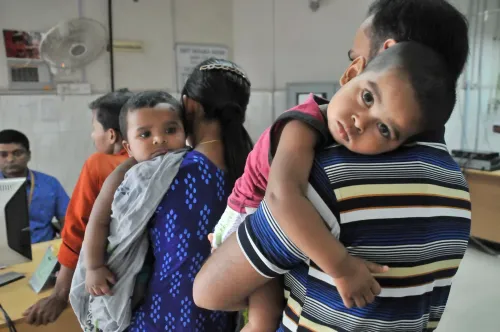
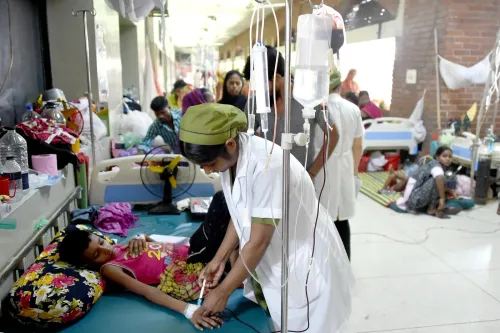
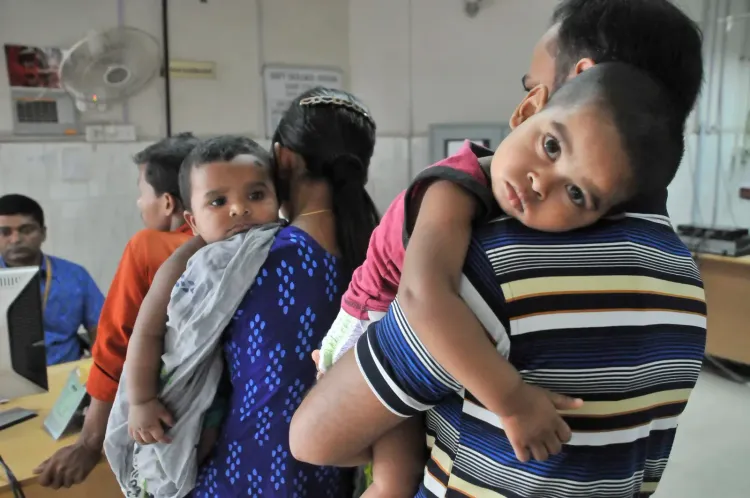
Since 15 March, a total of 70,579 patients with suspected measles have been admitted to hospitals across the country, according to DGHS data. Of these, 66,841 patients have recovered. Despite that recovery figure, hospitals continue to admit more than 1,000 children daily with measles or measles-like symptoms — more than a month after a nationwide emergency vaccination drive officially concluded.
Vaccination Coverage Under Scrutiny
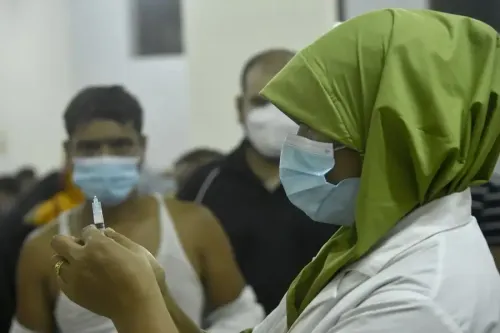
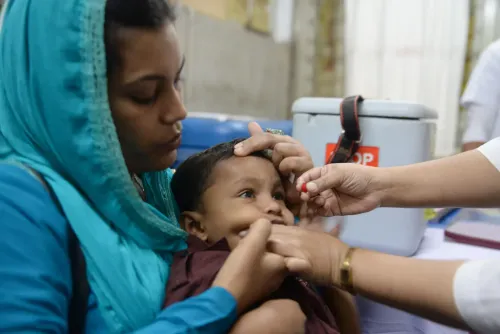
The Bangladesh government has claimed that vaccination coverage has exceeded 100 per cent of the targeted child population. Yet the persistent rise in cases has drawn sharp scepticism from immunisation experts. Be-Nazir Ahmed, former Director of the government's disease control branch, told the Dhaka Tribune that reported coverage levels should have produced a far steeper decline in infections.
'Measles transmission should decline significantly once vaccine coverage exceeds 90 per cent. If vaccination has truly reached the reported level, then infections should have fallen much more sharply by now,' Ahmed said.
He also cautioned that official targets may not accurately reflect the true size of the eligible child population. 'In some cases, coverage may appear to be 100 per cent on paper while thousands of children remain unvaccinated in reality,' he added.
What Experts Say About the Gap
Public health specialists note that high reported coverage does not automatically translate into population-level protection. Vaccine effectiveness depends on cold-chain integrity, the age at which children are immunised, and whether the children counted in coverage data are actually the most vulnerable. The disconnect between official vaccination figures and on-the-ground case counts points to potential data gaps, coverage blind spots, or both — a pattern seen in other outbreak-affected countries where administrative coverage figures overstated actual immunity.
What Happens Next
With fatalities still rising and daily hospital admissions exceeding 1,000, pressure is mounting on Bangladeshi health authorities to conduct an independent audit of vaccination records and outbreak surveillance data. International health agencies are closely monitoring the situation. Without a credible reassessment of true coverage gaps, experts warn, the outbreak is unlikely to be brought under control in the near term.
Point of View
000 children daily is a statistical contradiction that demands scrutiny, not reassurance. The Bangladesh outbreak is a textbook case of how administrative coverage figures can mask real immunity gaps — whether through inflated denominators, cold-chain failures, or children missed entirely. The fact that a former government official is publicly questioning the data suggests the credibility problem is not just external. Without an independent audit of both vaccination records and case surveillance, the numbers will keep climbing and the official narrative will keep losing ground.
NationPress
21 Sept 2026
Frequently Asked Questions
What is the current death toll from the Bangladesh measles outbreak?
As of 8 a.m. on 14 June, the total confirmed and suspected measles-related deaths in Bangladesh stand at 652. Of these, 560 are classified as suspected measles deaths and 92 are laboratory-confirmed, according to the Directorate General of Health Services.
How many measles cases have been reported in Bangladesh so far?
Bangladesh has recorded 85,951 suspected measles cases and 10,323 laboratory-confirmed infections. More than 1,000 new suspected cases are being reported every day, with hospitals continuing to admit children at that rate even after a nationwide emergency vaccination drive concluded.
Why is the outbreak continuing despite the government's vaccination drive?
Experts say high reported coverage does not guarantee population-level immunity. Former disease control director Be-Nazir Ahmed has stated that coverage appearing at 100% on paper can still leave thousands of children unvaccinated in practice, pointing to potential gaps in official data and eligible-population estimates.
When did the Bangladesh measles hospitalisation surge begin?
Hospital admissions for suspected measles have been tracked since 15 March, by which date 70,579 patients had been admitted. Of those, 66,841 have recovered, according to DGHS figures.
What do public health experts say needs to happen next?
Immunisation experts are calling for an independent audit of vaccination records and outbreak surveillance data. They argue that without verifying true coverage gaps — including cold-chain integrity and accurate eligible-population counts — the outbreak cannot be effectively contained.