Bangladesh measles outbreak: Death toll climbs to 709 since March 15
Synopsis
Bangladesh's measles outbreak has claimed 709 lives since 15 March, with seven more children dying in a single 24-hour period. With nearly 100,000 suspected cases, vaccination coverage still below the critical 95% threshold in many areas, and dengue season now underway, health experts warn the worst may not be over.
Key Takeaways
Seven more children died from measles in Bangladesh on 27 June , raising the total death toll to 709 since 15 March 2025 .
Cumulative deaths include 94 laboratory-confirmed and 615 suspected measles fatalities.
Total suspected cases have reached 98,266 ; confirmed infections stand at 11,594 .
Of 81,955 hospitalised patients, 78,287 have recovered, according to the DGHS .
Experts cite failure to reach the 95% vaccination threshold and weak infection control as key drivers.
The onset of dengue season raises the risk of severe complications for measles-infected children.
At least seven more children died from the ongoing measles outbreak in Bangladesh on Saturday, 27 June, pushing the cumulative confirmed and suspected death toll to 709 since the crisis began on 15 March, according to the country's Directorate General of Health Services (DGHS). The fatalities were recorded within a single 24-hour period, underscoring the unrelenting pace of the outbreak.
Latest Fatality and Case Figures
Of the seven deaths reported on Saturday, one has been classified as a laboratory-confirmed measles fatality, while the remaining six are categorised as suspected. The cumulative toll now stands at 94 confirmed measles deaths and 615 suspected fatalities.
In the same 24-hour window, 744 new suspected measles cases were logged, bringing the total suspected infections to 98,266. An additional 45 laboratory-confirmed cases were added, raising confirmed infections to 11,594.
Hospitalisation and Recovery
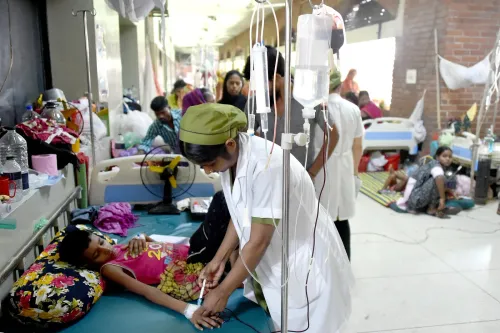
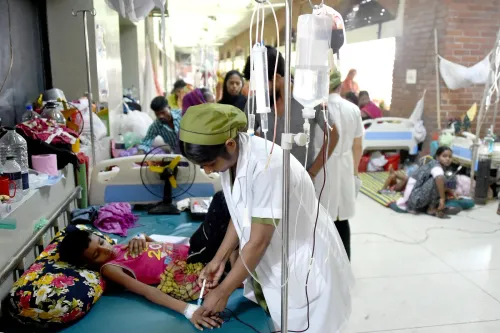
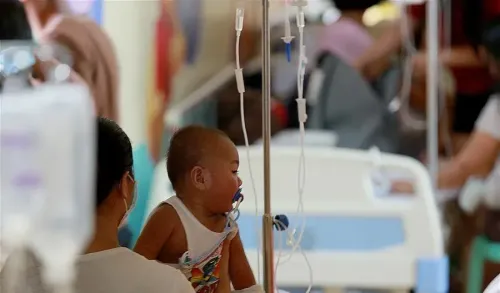
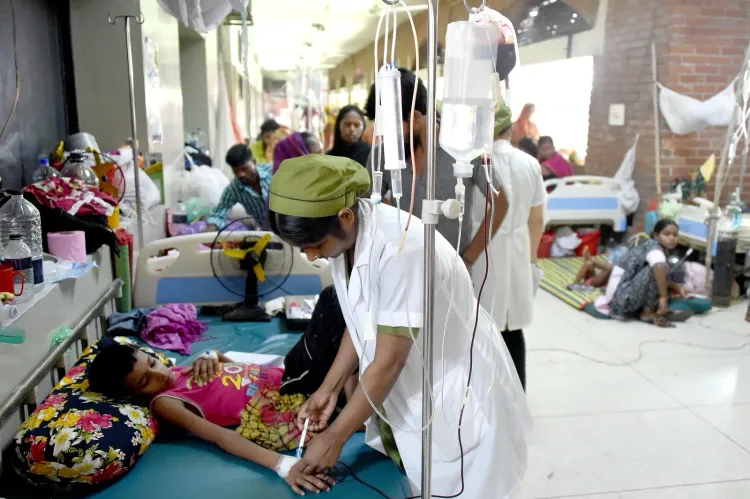
Since 15 March, a total of 81,955 patients with suspected measles have been admitted to hospitals across Bangladesh. Of these, 78,287 patients have recovered, according to DGHS data — a recovery rate that, while encouraging, has not been sufficient to arrest the spread of the disease.
Why the Outbreak Is Not Slowing
Public health expert Mushtuq Husain has identified two primary reasons for the outbreak's persistence: vaccination coverage failing to reach the critical 95 per cent threshold in all areas, and inadequate adherence to infection prevention and control measures in both hospitals and communities. Health experts have also flagged weak infection control practices as a compounding factor.
Notably, the onset of Bangladesh's dengue season poses an additional threat. Experts warn that children already weakened by measles face a heightened risk of severe complications if co-infected with dengue — a scenario that could strain the country's already-burdened health infrastructure further.
Political Dimension
The outbreak has acquired a political dimension as well. Earlier in June 2025, former Bangladesh Prime Minister Sheikh Hasina criticised the previous Muhammad Yunus-led interim government, alleging it had disrupted the country's vaccination programme while pursuing a new vaccine procurement system. The charge has added to public debate over accountability for the crisis.
What Comes Next
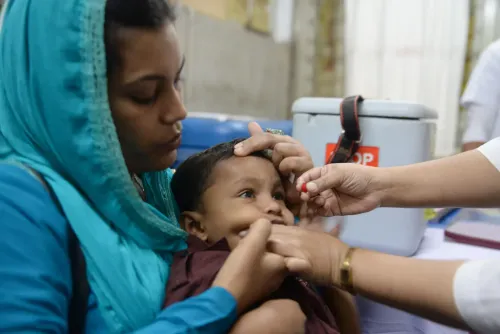
Health authorities face a dual challenge: accelerating vaccination drives to breach the 95 per cent coverage threshold in underserved areas while simultaneously reinforcing hospital-level infection control. With dengue season underway and nearly 100,000 suspected cases now on record, the coming weeks will be critical in determining whether Bangladesh can contain the outbreak before it escalates further.
Point of View
Yet coverage has slipped below the 95% herd-immunity threshold in enough districts to allow measles to spread at scale. The political blame-trading between the Hasina camp and the Yunus-era administration over vaccine procurement disruption points to exactly the kind of institutional fragility that outbreaks exploit. Now, with dengue season overlapping, the country faces a compounding health emergency that will test its district-level health infrastructure in ways the headline numbers do not yet fully capture.
NationPress
26 Sept 2026
Frequently Asked Questions
How many people have died in the Bangladesh measles outbreak?
As of 27 June 2025 , the total confirmed and suspected measles death toll in Bangladesh stands at 709 since the outbreak began on 15 March . This includes 94 laboratory-confirmed deaths and 615 suspected fatalities.
How many measles cases have been reported in Bangladesh?
Bangladesh has recorded 98,266 suspected measles cases and 11,594 laboratory-confirmed infections since 15 March 2025. A total of 81,955 patients have been hospitalised, of whom 78,287 have recovered.
Why is the measles outbreak in Bangladesh not declining?
According to public health expert Mushtuq Husain , the outbreak persists because vaccination coverage has not reached the critical 95 per cent threshold in all areas, and infection prevention and control measures in hospitals and communities remain inadequate.
What additional risk does dengue season pose to measles patients in Bangladesh?
Health experts warn that children already infected with measles are at heightened risk of severe complications if they contract dengue simultaneously. The overlap of the measles outbreak with Bangladesh's dengue season could place further strain on the country's health infrastructure.
What is the political controversy surrounding the Bangladesh measles outbreak?
Former Prime Minister Sheikh Hasina alleged earlier in June 2025 that the previous Muhammad Yunus -led interim government disrupted Bangladesh's vaccination programme by pursuing a new vaccine procurement system, contributing to the coverage gaps that fuelled the outbreak. The interim administration has not publicly responded to the charge.