Bangladesh measles outbreak 2026: Death toll hits 738 as cases top 1 lakh
Synopsis
Bangladesh's measles outbreak has crossed 1 lakh suspected cases and 738 deaths in 2026, even after a vaccination drive covering 1.84 crore children. Experts say coverage never hit the 95% threshold needed for herd immunity — and with dengue season now overlapping, the risk of severe complications in infected children is rising sharply.
Key Takeaways
Bangladesh's measles death toll reached 738 as of 5 July 2026 , including 93 laboratory-confirmed and 645 suspected deaths.
Total suspected cases nationwide crossed 1 lakh , standing at 105,618 ; confirmed cases reached 12,632 .
A May 2026 vaccination drive covering 1.84 crore children failed to halt the surge, with coverage falling short of the 95% herd-immunity threshold.
Public health expert Mushtuq Husain cited poor isolation protocols and office-based planning as key failures.
Experts warn that the overlap with dengue season could cause severe complications in measles-infected children.
Calls have been made for a revised house-to-house microplanning campaign targeting all children under five.
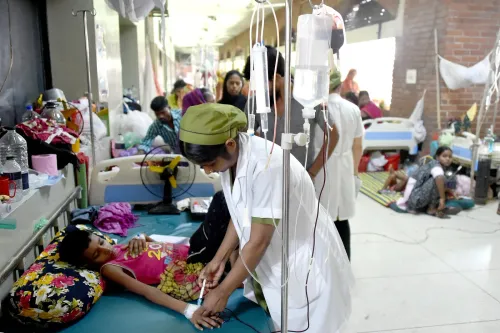
Bangladesh's measles outbreak has claimed seven more lives in the 24 hours until 8 am on Sunday, 5 July 2026, pushing the cumulative death toll from confirmed and suspected measles to 738 since the outbreak began. The latest fatalities have been classified as suspected measles deaths by the Directorate General of Health Services (DGHS), bringing the total suspected measles deaths to 645 while laboratory-confirmed measles deaths stood at 93.
Scale of the Outbreak
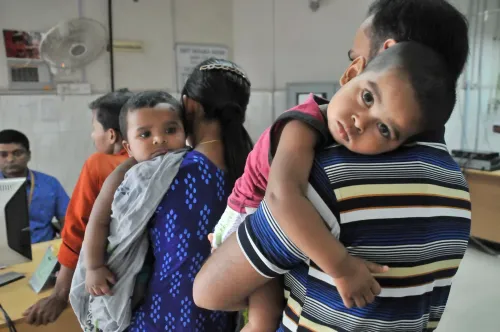
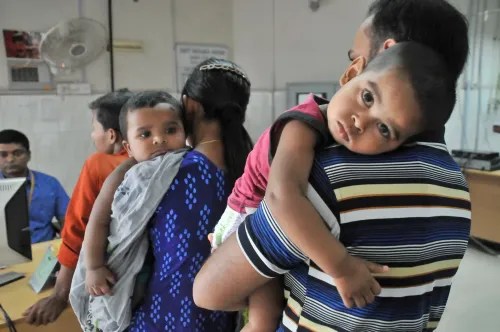
A further 925 new suspected measles cases were reported in the same 24-hour period, raising the nationwide suspected case count to 105,618 — crossing the one-lakh mark. An additional 106 laboratory-confirmed cases were recorded, taking the total confirmed case tally to 12,632. Since 15 March 2026, a total of 88,844 patients with suspected measles have been hospitalised across Bangladesh, of whom 85,122 have recovered, according to DGHS data.
Why the Outbreak Is Not Slowing
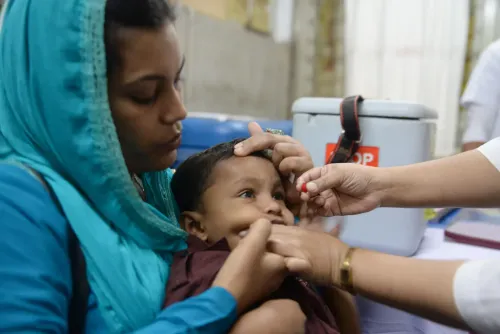
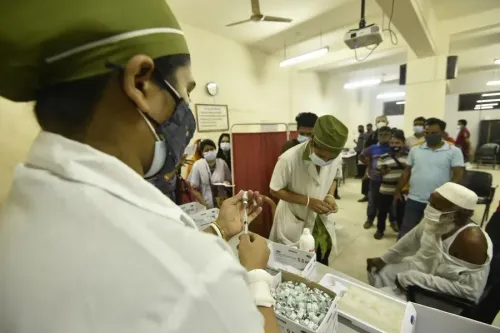
A vaccination drive covering 1.84 crore children conducted in May 2026 has failed to stem the surge, according to health officials. Public health expert Mushtuq Husain identified two principal reasons for the persistent rise: vaccination coverage has not reached the critical 95 per cent threshold in all areas, and adherence to infection prevention and control measures in hospitals and communities remains inadequate.
Husain noted that isolation and quarantine protocols — key components of outbreak management — have been largely ignored. He also pointed out that vaccination campaign targets were set online from offices due to time constraints, resulting in inaccurate planning. "As a result, many children may have remained unvaccinated," he said, according to The Daily Star.
Experts Flag Compounding Risks
In June 2026, health experts flagged gaps in vaccination coverage in specific areas and weak infection control as contributing factors. Critically, they warned that the onset of dengue season poses an additional danger: children already infected with measles face a heightened risk of severe complications if co-infected with dengue. This convergence of two infectious disease threats could stretch Bangladesh's healthcare infrastructure further.
What Experts Are Recommending
Husain has called for an immediate vaccination campaign targeting all children under five years, supported by a revised house-to-house microplanning approach to ensure no child is missed. Health experts argue that the current top-down, office-based planning model has produced blind spots in coverage, particularly in rural and underserved areas. Stronger hospital-based infection control protocols are also being urged to contain nosocomial transmission.
What Comes Next
With cases still rising and dengue season underway, Bangladesh's health authorities face mounting pressure to overhaul both their vaccination strategy and outbreak response. The DGHS has not yet announced a revised campaign timeline, and the gap between suspected and confirmed cases — over 93,000 suspected versus 12,632 confirmed — points to a significant testing and surveillance deficit that experts say must be addressed urgently.
Point of View
At its core, a surveillance and planning failure dressed up as an outbreak. A vaccination drive that covered 1.84 crore children should have made a dent — it did not, because coverage was planned from offices rather than verified on the ground. The 95% herd-immunity threshold is not a technicality; it is the entire point, and missing it in even a handful of districts is enough to sustain transmission chains. What makes this more alarming is the dengue overlap: Bangladesh is now running two concurrent paediatric crises with a health system that was already stretched. The gap between 105,618 suspected cases and 12,632 confirmed ones also signals a testing deficit that is almost certainly masking the true scale of the outbreak.
NationPress
5 Oct 2026
Frequently Asked Questions
What is the current death toll from the Bangladesh measles outbreak in 2026?
As of 5 July 2026, the total death toll from confirmed and suspected measles in Bangladesh stands at 738. Of these, 93 are laboratory-confirmed measles deaths and 645 are classified as suspected measles fatalities by the Directorate General of Health Services.
How many measles cases have been reported in Bangladesh in 2026?
Nationwide suspected measles cases have crossed 1 lakh, reaching 105,618 as of 5 July 2026. Laboratory-confirmed cases total 12,632. Since 15 March, 88,844 patients have been hospitalised, of whom 85,122 have recovered.
Why has the measles vaccination drive in Bangladesh not stopped the outbreak?
A May 2026 drive vaccinated 1.84 crore children but failed to achieve the 95% coverage threshold required for herd immunity in all areas. Experts also point to vaccination targets being set online from offices rather than through ground-level planning, leaving many children unvaccinated.
What additional risk do experts warn about alongside the measles outbreak?
Health experts warn that the onset of dengue season poses a compounding danger. Children already infected with measles who contract dengue face a significantly higher risk of severe complications, potentially overwhelming Bangladesh's healthcare system further.
What measures are experts recommending to control the Bangladesh measles outbreak?
Public health expert Mushtuq Husain has recommended an immediate vaccination campaign targeting all children under five, backed by revised house-to-house microplanning to close coverage gaps. Stricter isolation and quarantine protocols in hospitals and communities are also being urged.