Bangladesh measles outbreak death toll hits 639 as eight more children die
Synopsis
Despite official claims of over 100 per cent vaccination coverage, Bangladesh's measles outbreak has killed 639 children since mid-March — and hospitals are still admitting more than 1,000 new cases daily. A former disease control official says the numbers don't add up, raising hard questions about data integrity and whether the most vulnerable children were ever actually reached.
Key Takeaways
Bangladesh's measles outbreak has killed 639 children (92 confirmed, 547 suspected) since 15 March 2025 .
Eight new deaths were recorded on 9 June 2025 , all classified as suspected, according to the DGHS .
Total suspected cases have reached 82,029 ; confirmed cases stand at 9,927 .
Hospitals are admitting over 1,000 children daily despite a completed nationwide emergency vaccination drive.
Former disease control official Be-Nazir Ahmed warned that official 100 per cent coverage figures may mask thousands of unvaccinated children.
The Awami League has demanded a national public health emergency declaration with international oversight.
Bangladesh's worsening measles outbreak claimed eight more children's lives on Wednesday, 9 June, pushing the total number of confirmed and suspected deaths to 639 since 15 March 2025, according to the Directorate General of Health Services (DGHS). The deaths were recorded in the 24 hours leading up to Wednesday morning, with all latest fatalities classified as suspected, according to Bangladeshi media reports.
Scale of the Outbreak
The DGHS recorded 945 suspected measles cases in the same 24-hour window, bringing the cumulative tally of suspected cases to 82,029. An additional 94 confirmed cases were reported, raising the total confirmed case count to 9,927. Of the 639 total deaths, 92 have been confirmed, while 547 remain classified as suspected.
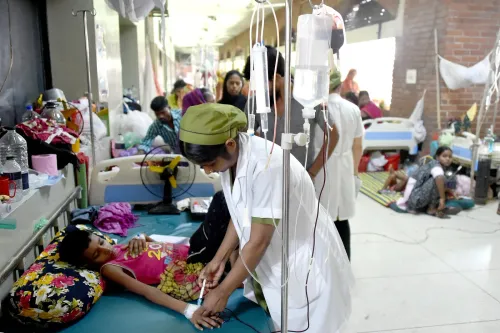
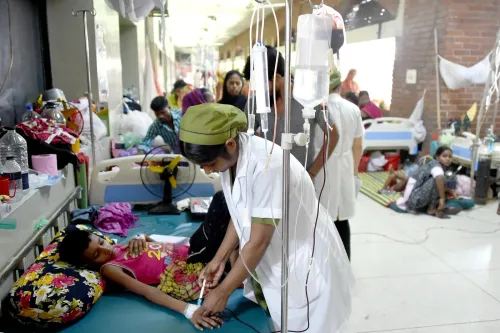
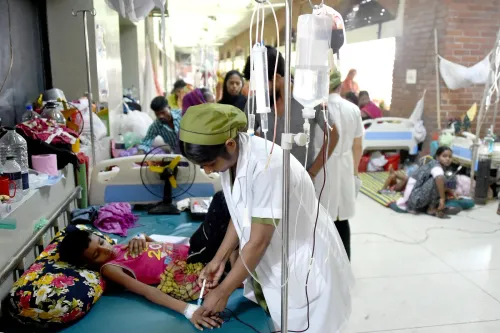
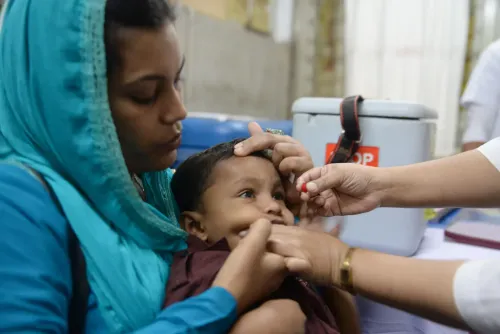
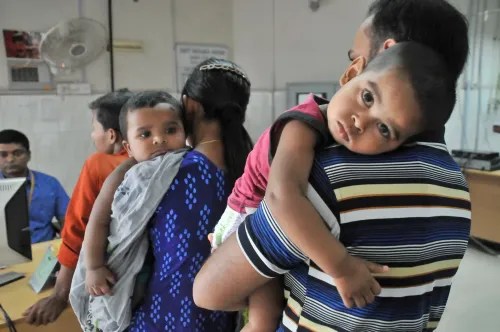
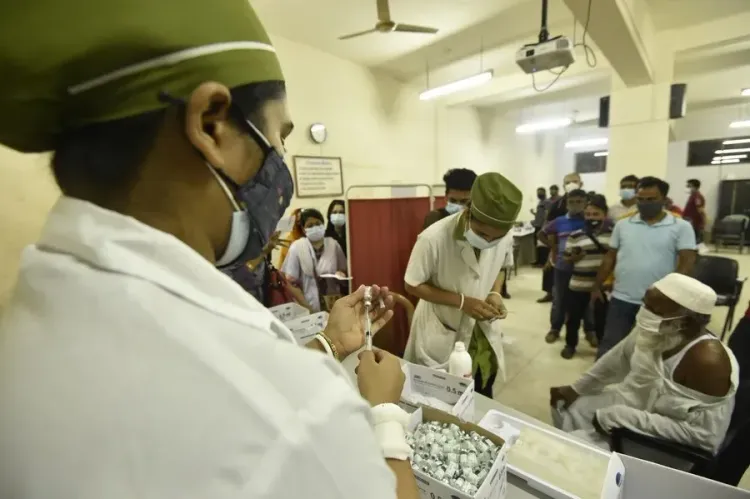
More than a month after a nationwide emergency vaccination drive concluded, hospitals across Bangladesh continue to admit over 1,000 children daily with measles or measles-like symptoms. The persistent rise has alarmed public health officials and independent experts alike.
Vaccination Coverage Under Scrutiny
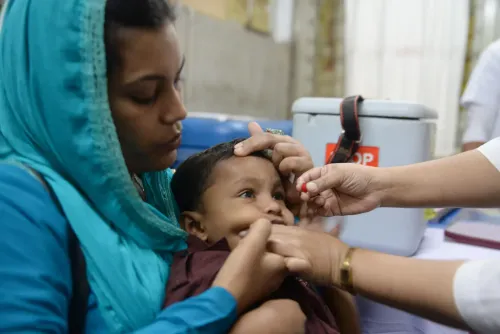
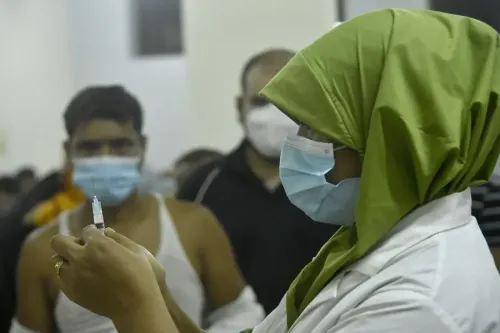
The outbreak's continued spread has raised serious questions about the government's claim that vaccination coverage has exceeded 100 per cent of targeted children. Public health experts warn that high reported coverage does not automatically translate into population-level immunity.
Be-Nazir Ahmed, former director of the government's disease control branch, was quoted by the Dhaka Tribune as saying: 'Measles transmission should decline significantly once vaccine coverage exceeds 90 per cent. If vaccination has truly reached the reported level, then infections should have fallen much more sharply by now.'
Ahmed further cautioned that official targets may not accurately capture the true size of the eligible child population. 'In some cases, coverage may appear to be 100 per cent on paper while thousands of children remain unvaccinated in reality,' he added. Immunisation experts have pointed to potential gaps in cold-chain management, outreach to marginalised communities, and data accuracy as possible explanations.
Political Blame and Governance Failures
The crisis has drawn sharp political responses. The Awami League last week characterised the outbreak not as a natural disaster but as a 'man-made failure of governance,' arguing that the roots of the tragedy lie in decisions taken during the tenure of the former Muhammad Yunus-led interim administration.
The party further alleged that Prime Minister Tarique Rahman and the Bangladesh Nationalist Party (BNP)-led government, which assumed office in February 2025, have been aware of the unfolding crisis yet delivered a response that has been 'disturbingly inadequate' over the past four months.
Demands for Emergency Action
The Awami League has called on the government to declare a national public health emergency with clear timelines, targets, and daily public reporting. It has also demanded an accelerated emergency vaccination drive and treatment protocol with full transparency and international oversight.
With the death toll continuing to climb and hospitals under sustained pressure, the coming weeks will test whether Bangladesh's public health infrastructure — and its political leadership — can mount an effective response to one of the country's worst measles crises in recent memory.
Point of View
One of two things is true: either the data is wrong, or the vaccine failed at scale — both of which represent serious institutional breakdowns. The political blame game between the Awami League and the BNP-led government risks becoming a distraction from the operational failures that allowed this outbreak to take hold. Bangladesh has run successful immunisation campaigns before; what is different this time — whether in cold-chain integrity, community outreach, or denominator calculation — demands an independent audit, not just a political inquiry.
NationPress
27 Sept 2026
Frequently Asked Questions
What is the current death toll from the Bangladesh measles outbreak?
As of 9 June 2025, the total number of confirmed and suspected measles deaths in Bangladesh stands at 639 since the outbreak began on 15 March 2025. Of these, 92 are confirmed deaths and 547 are classified as suspected, according to the Directorate General of Health Services.
Why is the measles outbreak continuing despite a vaccination drive?
Public health experts, including former disease control official Be-Nazir Ahmed, have raised concerns that official vaccination coverage figures may not reflect reality, with thousands of children potentially remaining unvaccinated despite reports of 100 per cent coverage. Experts note that if true coverage had reached the reported level, measles transmission should have declined far more sharply by now.
How many measles cases have been recorded in Bangladesh in 2025?
The DGHS has recorded 82,029 suspected measles cases and 9,927 confirmed cases as of 9 June 2025. Hospitals across the country continue to admit over 1,000 children daily with measles or measles-like symptoms.
What political response has the Bangladesh measles outbreak triggered?
The Awami League has described the outbreak as a 'man-made failure of governance,' attributing its roots to decisions made under the former Muhammad Yunus-led interim administration. It has also criticised the current BNP-led government under Prime Minister Tarique Rahman for what it called a 'disturbingly inadequate' response since taking office in February 2025.
What measures are being demanded to address the Bangladesh measles crisis?
The Awami League has called on the government to declare a national public health emergency with clear timelines, daily public reporting, an accelerated vaccination and treatment drive, and full transparency with international oversight. Independent health experts have separately called for an audit of vaccination data and coverage gaps.