Bangladesh measles outbreak: Death toll hits 631 as 3 more children die
Synopsis
Bangladesh's measles outbreak has now claimed 631 lives since March 15, yet the government insists vaccination coverage exceeded 100 per cent of targeted children. With hospitals still admitting over 1,000 children daily and experts openly questioning official data, the numbers expose a governance gap that political blame alone cannot close.
Key Takeaways
Three more children died from measles symptoms on Tuesday , raising Bangladesh's total death toll to 631 since 15 March 2025 .
Confirmed deaths stand at 92 ; suspected deaths have reached 539 , per the DGHS .
Total suspected cases have crossed 81,084 , with 9,833 confirmed cases recorded to date.
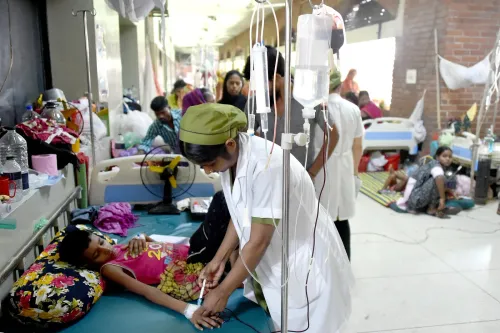
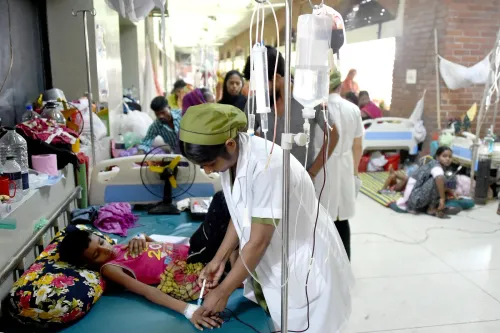
Hospitals are reportedly admitting over 1,000 children daily despite government claims of 100 per cent vaccination coverage.
Former disease control official Be-Nazir Ahmed warned that official coverage figures may not reflect ground reality, with thousands of children potentially unvaccinated.
The Awami League has demanded a national public health emergency declaration and international oversight of the vaccination and treatment drive.
Three more children have died from measles symptoms in Bangladesh on Tuesday, pushing the total number of confirmed and suspected deaths to 631 since the outbreak began on 15 March 2025, according to local media reports. The fatalities were recorded in the 24 hours leading up to Tuesday morning, as per the Directorate General of Health Services (DGHS).
Latest Case and Death Figures
All three of the most recent deaths were classified as suspected cases, according to Bangladeshi media outlet UNB. The total number of confirmed deaths remains at 92, while suspected deaths have climbed to 539.
The DGHS recorded 980 suspected measles cases in the latest 24-hour window, bringing the cumulative suspected case count to 81,084. An additional 54 new confirmed cases were reported in the same period, raising total confirmed cases to 9,833.
Vaccination Coverage Under Scrutiny
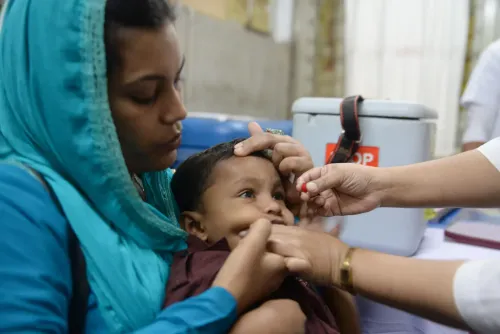
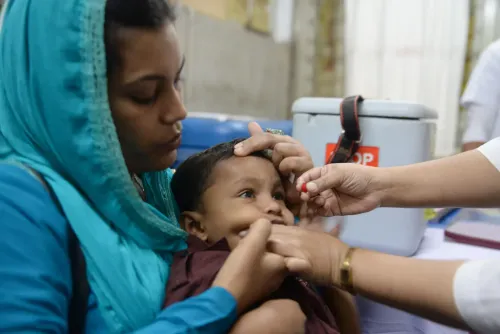
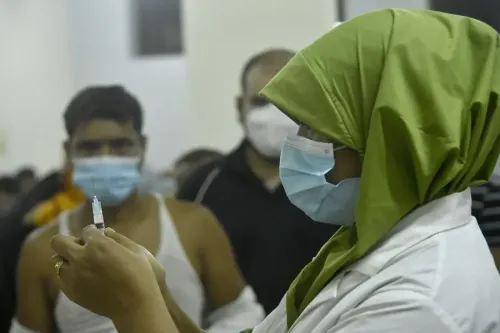
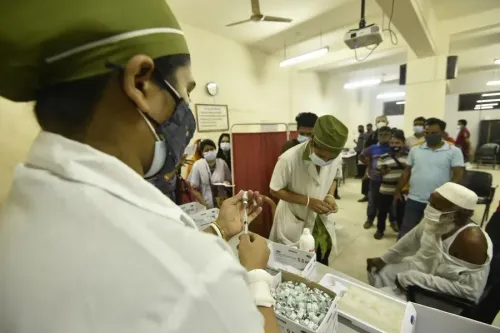
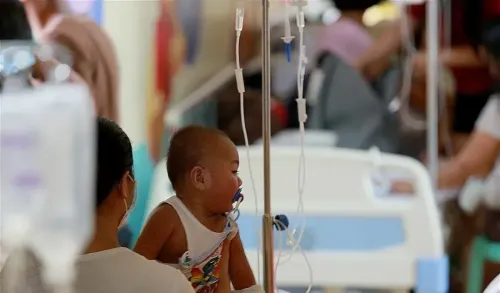
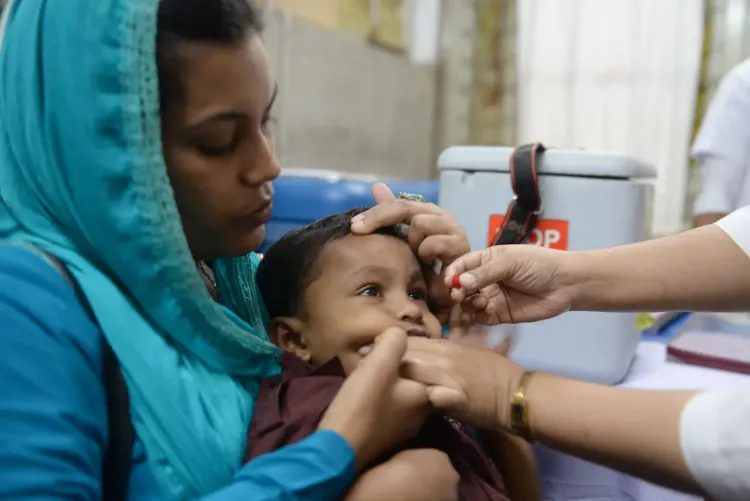
Bangladesh's outbreak continues to spread despite government claims that vaccination coverage has exceeded 100 per cent of the targeted children — a figure that has drawn sharp scepticism from immunisation experts. More than a month after a nationwide emergency measles vaccination drive concluded, hospitals across the country are reportedly admitting over 1,000 children daily with measles or measles-like symptoms.
Be-Nazir Ahmed, former director of the government's disease control branch, raised pointed concerns about the reliability of official coverage data. 'Measles transmission should decline significantly once vaccine coverage exceeds 90 per cent. If vaccination has truly reached the reported level, then infections should have fallen much more sharply by now,' he was quoted as saying by the Dhaka Tribune.
Ahmed further cautioned that official targets may not accurately reflect the true size of the eligible child population. 'In some cases, coverage may appear to be 100 per cent on paper while thousands of children remain unvaccinated in reality,' he added.
Political Blame and Governance Failures
The worsening crisis has ignited a political firestorm. The Awami League last week characterised the outbreak not as a 'natural disaster' but as a 'man-made failure of governance,' tracing its roots to decisions taken during the former Muhammad Yunus-led interim administration.
The party also trained its fire on the current Bangladesh Nationalist Party (BNP)-led government, alleging that Prime Minister Tarique Rahman assumed office in February with full knowledge of the unfolding crisis, yet the response over the past four months has remained 'disturbingly inadequate.'
Demands for Emergency Action
The Awami League has called on the government to declare a national public health emergency with clear timelines, targets, and daily public reporting. It has also demanded an accelerated emergency vaccination drive and treatment programme with full transparency and international oversight.
Public health experts warn that without a credible reassessment of true vaccination coverage and a surge in verified immunisation, the death toll is likely to continue rising in the weeks ahead.
Point of View
Because a vaccination drive calibrated to a fictional denominator will never reach the children who actually need it. The political argument between the Awami League and the BNP risks reducing a public health emergency to electoral point-scoring, which helps no child in a hospital ward.
NationPress
26 Sept 2026
Frequently Asked Questions
What is the current death toll from the Bangladesh measles outbreak?
As of Tuesday, the total number of confirmed and suspected measles deaths in Bangladesh has reached 631 since the outbreak began on 15 March 2025. Of these, 92 are confirmed deaths and 539 are classified as suspected.
Why is the outbreak continuing despite high vaccination coverage claims?
The Bangladesh government has claimed vaccination coverage exceeded 100 per cent of targeted children, but public health experts argue this figure may be unreliable. Former disease control official Be-Nazir Ahmed has said official targets may undercount the true eligible child population, leaving thousands unvaccinated despite the reported numbers.
How many measles cases have been reported in Bangladesh so far?
As of the latest DGHS data, Bangladesh has recorded 81,084 suspected measles cases and 9,833 confirmed cases since the outbreak began in March 2025. The DGHS reported 980 new suspected cases and 54 new confirmed cases in the most recent 24-hour period.
What has the Awami League demanded in response to the outbreak?
The Awami League has called on the BNP-led government to declare a national public health emergency with clear timelines and daily public reporting. It has also demanded an accelerated emergency vaccination drive and international oversight of the response, characterising the crisis as a governance failure rather than a natural disaster.
Who is currently governing Bangladesh and how have they responded?
Bangladesh is currently governed by a Bangladesh Nationalist Party-led administration under Prime Minister Tarique Rahman, who took office in February 2025. The Awami League has alleged that despite inheriting full knowledge of the outbreak, the government's response over four months has been 'disturbingly inadequate.'