Bangladesh measles outbreak: Death toll hits 643 as cases cross 84,000
Synopsis
Bangladesh's measles outbreak has now killed 643 children — confirmed and suspected — since mid-March, even as the government insists vaccination coverage surpassed 100 per cent of its target. With hospitals still admitting over 1,000 children daily and a former disease-control chief openly questioning whether the coverage figures are real, this is a public health credibility crisis as much as an epidemic.
Key Takeaways
The measles outbreak in Bangladesh has recorded 643 total confirmed and suspected deaths since 15 March 2025 .
Confirmed deaths stand at 92 ; suspected deaths have reached 551 , according to the DGHS .
Total suspected cases have crossed 84,266 , with 1,027 new suspected cases in the last 24 hours.
Confirmed cases total 10,185 , with 126 new additions in the same period.
Hospitals are admitting over 1,000 children daily despite a completed emergency vaccination drive claiming 100 per cent coverage.
Former disease-control director Be-Nazir Ahmed has publicly questioned whether official coverage figures reflect ground reality.
Bangladesh's escalating measles outbreak claimed another child's life on Friday, 12 June, pushing the total number of confirmed and suspected deaths to 643 since 15 March this year, according to local media reports. The latest fatality was classified as a suspected case, with the death recorded in the 24 hours leading up to Friday morning.
Latest Case Numbers
According to the Directorate General of Health Services (DGHS), confirmed deaths remain at 92, while suspected deaths have climbed to 551. The DGHS recorded 1,027 new suspected measles cases in the last 24 hours alone, bringing the overall tally of suspected cases to 84,266. An additional 126 new confirmed cases were reported in the same period, raising the confirmed total to 10,185.
Vaccination Coverage Under Scrutiny
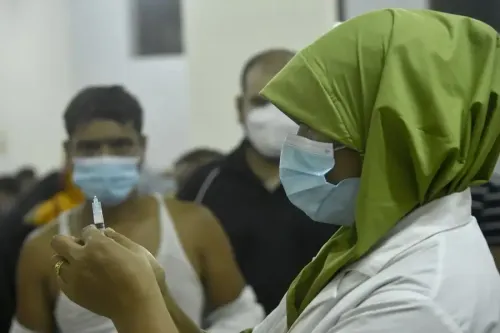
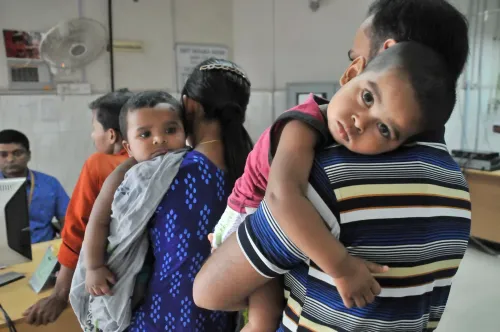
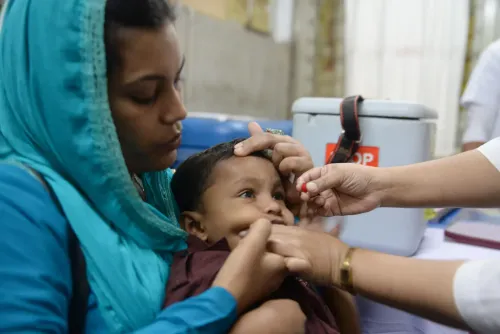
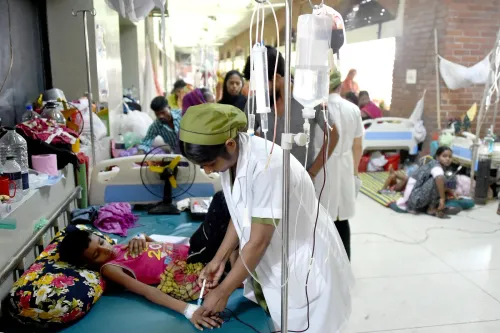
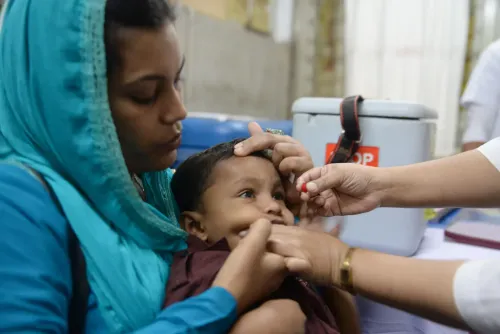
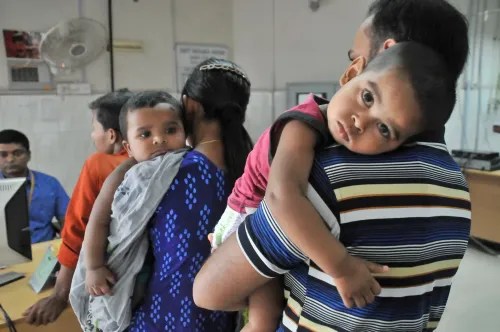
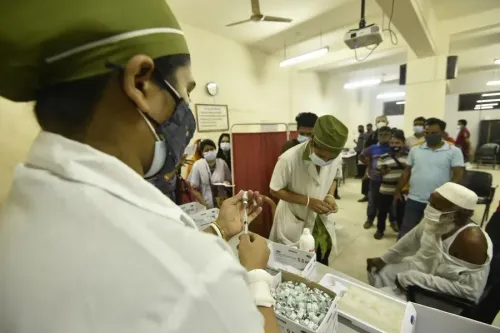
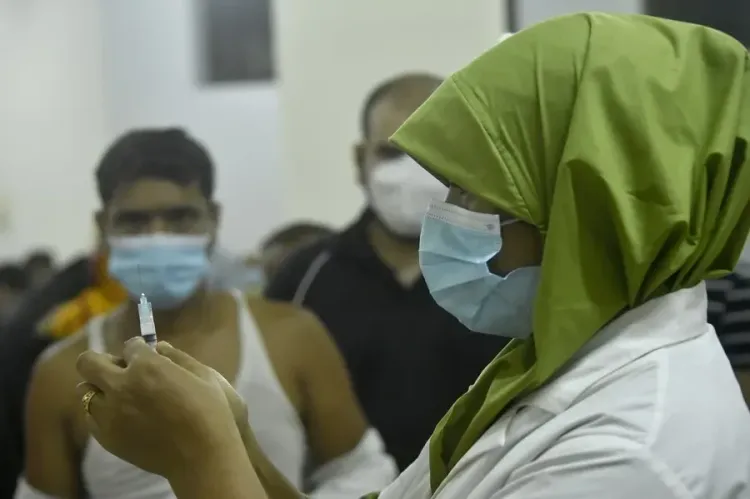
The outbreak continues to spread despite government claims that vaccination coverage has exceeded 100 per cent of the targeted children — a figure that has drawn sharp scepticism from immunisation experts. More than a month after a nationwide emergency measles vaccination drive concluded, hospitals across Bangladesh are reportedly admitting over 1,000 children daily with measles or measles-like symptoms.
Public health experts have warned that high reported coverage does not automatically translate into population-level protection. Be-Nazir Ahmed, former director of the government's disease control branch, was quoted by the Dhaka Tribune as saying: 'Measles transmission should decline significantly once vaccine coverage exceeds 90 per cent. If vaccination has truly reached the reported level, then infections should have fallen much more sharply by now.'
Ahmed further cautioned that official targets may not accurately reflect the true size of the eligible child population. 'In some cases, coverage may appear to be 100 per cent on paper while thousands of children remain unvaccinated in reality,' he added.
Political Blame and Governance Concerns
The worsening crisis has also become a flashpoint in Bangladesh's domestic politics. The Awami League last week expressed grave concern over the outbreak, alleging it was not a 'natural disaster' but a 'man-made failure of governance.' The party claimed the roots of the tragedy lie in what it described as 'catastrophic decisions' taken during the tenure of the former Muhammad Yunus-led interim administration, with the crisis continuing under the current Bangladesh Nationalist Party (BNP)-led government.
What Experts Say Needs to Happen
Public health specialists argue that Bangladesh must urgently audit actual vaccination coverage at the district level rather than rely on aggregate figures. The persistence of over 1,000 daily admissions weeks after an emergency vaccination drive points to systemic gaps — whether in cold-chain integrity, coverage mapping, or the immune response among vaccinated children. The situation is being closely watched by regional health authorities as a potential indicator of broader immunisation system fragility in South Asia.
Point of View
000 daily hospital admissions. Either the coverage data is fabricated at the field level, the cold chain has failed, or the eligible-population denominator is being undercounted — all of which represent institutional failures, not bad luck. Bangladesh's health authorities need an independent district-level audit of actual immunisation records before the next emergency drive is launched, or the same gap will persist. The political blame game between the Awami League and the BNP-led government risks distracting from that urgent technical accountability.
NationPress
26 Sept 2026
Frequently Asked Questions
What is the current death toll from the Bangladesh measles outbreak?
As of 12 June 2025, the total number of confirmed and suspected measles deaths in Bangladesh has reached 643 since 15 March. Of these, 92 are confirmed deaths and 551 are classified as suspected.
How many measles cases have been reported in Bangladesh so far?
The DGHS has recorded 84,266 total suspected cases and 10,185 confirmed cases as of 12 June 2025. A single 24-hour period saw 1,027 new suspected cases and 126 new confirmed cases.
Why is the outbreak continuing despite a vaccination drive?
Experts say high reported vaccination coverage does not guarantee protection if the underlying eligible-population figures are inaccurate. Former disease-control director Be-Nazir Ahmed has warned that coverage can appear 100 per cent on paper while thousands of children remain unvaccinated in practice.
Who is being blamed for the measles crisis in Bangladesh?
The Awami League has blamed the crisis on governance failures originating during the former Muhammad Yunus-led interim administration, arguing it is a man-made failure rather than a natural disaster. The outbreak has continued under the current BNP-led government.
What do public health experts recommend to contain the outbreak?
Specialists are calling for an independent, district-level audit of actual vaccination coverage rather than reliance on aggregate government figures. Identifying gaps in cold-chain integrity and coverage mapping is seen as essential before any further emergency drive can be effective.