Bangladesh measles outbreak: Death toll hits 628 as crisis deepens
Synopsis
Bangladesh's measles crisis has claimed 628 lives since mid-March — and the numbers keep rising even after the government declared vaccination coverage above 100 per cent. With hospitals admitting over 1,000 children daily and experts questioning whether the coverage data is real, this is shaping up as one of South Asia's worst preventable disease outbreaks in recent memory.
Key Takeaways
At least eight more children died from measles or measles-like symptoms in Bangladesh on 8 June , taking the total death toll to 628 since 15 March .
Confirmed measles deaths stand at 92 ; suspected deaths at 536 ; total suspected cases at 80,104 .
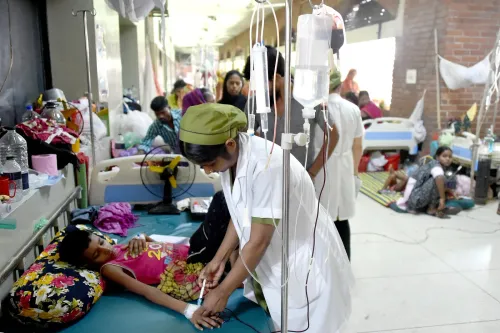
Hospitals are admitting more than 1,000 children daily despite a completed nationwide emergency vaccination drive.
Former disease control official Be-Nazir Ahmed warned that official coverage figures may overstate actual vaccination rates, with thousands of children potentially unvaccinated.
The Awami League has labelled the crisis a 'man-made failure of governance' and demanded a national public health emergency declaration with international oversight.
Bangladesh recorded at least eight more deaths linked to measles on Monday, 8 June, pushing the total confirmed and suspected death toll to 628 since the outbreak began on 15 March this year. The fatalities, reported within a single 24-hour window, underscore the severity of a health emergency that has now stretched nearly three months with no sign of abating.
Latest Case and Fatality Numbers
According to the Directorate General of Health Services (DGHS), one of the eight new deaths was a confirmed measles fatality, while the remaining seven died with measles-like symptoms. Confirmed deaths from the disease have now reached 92, while suspected deaths stand at 536.
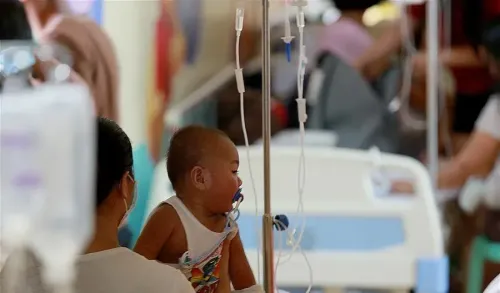
The DGHS also logged 1,092 new suspected cases in the same 24-hour period, bringing the cumulative suspected case count to 80,104. An additional 93 confirmed cases were reported, raising the total confirmed infections to 9,779. Hospitals across the country are reportedly admitting more than 1,000 children daily with measles or measles-like symptoms.
Vaccine Coverage Claims Under Scrutiny
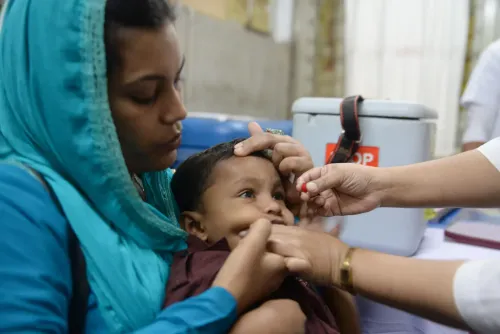
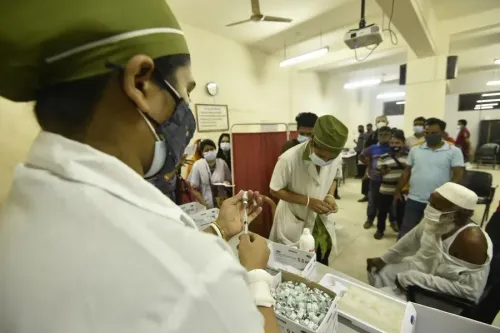
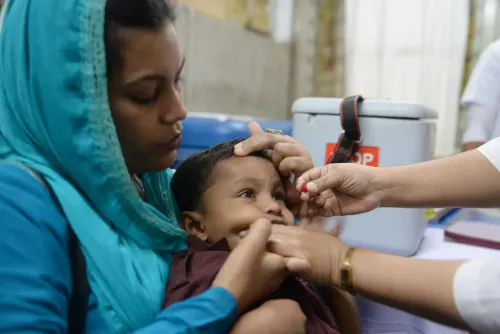
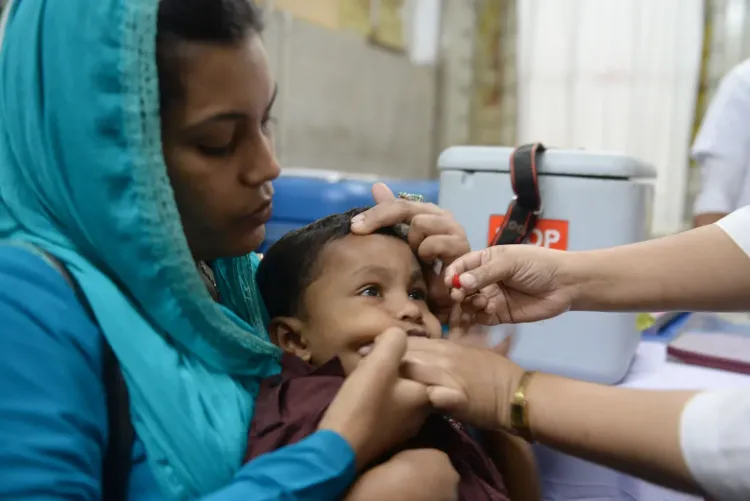
The outbreak has persisted despite government assertions that vaccination coverage surpassed 100 per cent of the targeted child population — a claim that has drawn sharp scepticism from public health experts. More than a month after a nationwide emergency measles vaccination drive concluded, infections continue to climb, raising questions about both vaccine effectiveness and the accuracy of coverage data.
Be-Nazir Ahmed, former director of the government's disease control branch, was quoted as saying: 'Measles transmission should decline significantly once vaccine coverage exceeds 90 per cent. If vaccination has truly reached the reported level, then infections should have fallen much more sharply by now.' He further cautioned that official targets may not accurately reflect the true size of the eligible child population, adding: 'In some cases, coverage may appear to be 100 per cent on paper while thousands of children remain unvaccinated in reality.'
Political Blame and Opposition Demands
The worsening crisis has become a flashpoint in Bangladesh's domestic politics. The Awami League last week characterised the outbreak not as a natural disaster but as a 'man-made failure of governance', alleging that the roots of the tragedy lie in decisions taken during the tenure of the former Muhammad Yunus-led interim administration.
The party further alleged that Prime Minister Tarique Rahman and the Bangladesh Nationalist Party (BNP)-led government, which assumed office in February this year, had full knowledge of the unfolding crisis yet delivered a response that remained 'disturbingly inadequate' over the past four months.
The Awami League has called on the government to declare a national public health emergency with clear timelines, measurable targets, and daily public reporting. It has also demanded an accelerated emergency vaccination drive and treatment programme with full transparency and international oversight.
What Experts and Observers Are Watching
Public health specialists warn that reported vaccination coverage does not automatically translate into population-level immunity unless children develop a sufficient immune response post-vaccination. The gap between paper coverage and actual protection is a known challenge in outbreak management, particularly in settings with cold-chain or logistical constraints.
This is not the first time Bangladesh has faced a measles surge, but the scale — over 80,000 suspected cases in under three months — is exceptional by regional standards. International health bodies have not yet publicly declared an emergency, but pressure for independent oversight is mounting. How the government responds to demands for transparency in the coming days will likely determine whether the outbreak is brought under control before the monsoon season further complicates outreach.
Point of View
However motivated, does not change the epidemiological reality: at 80,000-plus suspected cases in under three months, this outbreak has long passed the threshold for a declared national emergency. The absence of one is itself a governance story.
NationPress
19 Sept 2026
Frequently Asked Questions
What is the current death toll from the Bangladesh measles outbreak?
As of 8 June, the total confirmed and suspected death toll has reached 628 since the outbreak began on 15 March. Of these, 92 are confirmed measles deaths and 536 are suspected measles-related fatalities.
How many measles cases have been recorded in Bangladesh?
The DGHS has recorded 9,779 confirmed cases and 80,104 suspected cases as of 8 June. More than 1,000 new suspected cases are being reported every 24 hours.
Why is the outbreak continuing despite a vaccination drive?
Experts question whether the government's claim of over 100 per cent vaccination coverage accurately reflects ground reality. Former disease control official Be-Nazir Ahmed has warned that official figures can show full coverage on paper while thousands of children remain unvaccinated, and that true protection requires children to develop sufficient immunity after vaccination.
What has the political response been inside Bangladesh?
The Awami League has called the outbreak a 'man-made failure of governance', blaming decisions made during the former Muhammad Yunus-led interim administration and alleging that the current BNP-led government under Prime Minister Tarique Rahman has responded inadequately since taking office in February. The party is demanding a national public health emergency declaration and international oversight.
What are public health experts recommending?
Experts are urging an accelerated emergency vaccination drive with independent verification of coverage data, greater transparency in case and fatality reporting, and consideration of a formal national public health emergency declaration to mobilise resources and international support.