Bangladesh measles outbreak: Death toll hits 432 as cases cross 60,000
Synopsis
Bangladesh's measles crisis has now killed 432 people and infected over 60,000 — and health experts are calling it an avoidable disaster. The collapse of a once-celebrated vaccination programme, attributed to the previous interim government's dismantling of procurement systems, has turned a preventable disease into a national emergency that protesters are demanding be treated as a criminal failure of governance.
Key Takeaways
Bangladesh's measles death toll has reached 432 , with eight new fatalities recorded in a single 24-hour window ending 14 May 2025 .
Total confirmed and suspected cases have crossed 60,000 ; confirmed cases stand at 7,150 and suspected infections at 53,056 .
Public health expert Mushtaq Hossain says the absence of a declared public health emergency has hampered coordinated response efforts.
Sylhet district is among the worst-affected areas, according to virologist Mahbuba Jamil , who says vaccination drives are showing early results.
Protesters in Dhaka have demanded the trial of former interim chief advisor Muhammad Yunus and health advisor Nurjahan Begum over the deaths.
Experts and media reports blame the crisis on the dismantling of Bangladesh's previously internationally recognised vaccine procurement system.
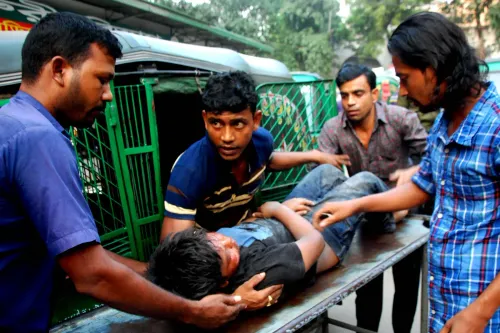
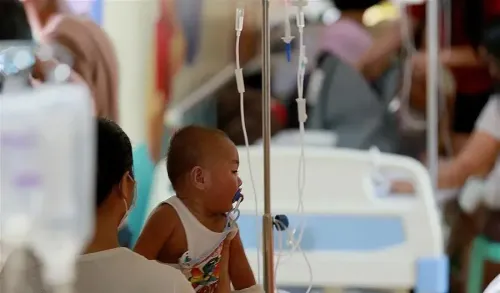
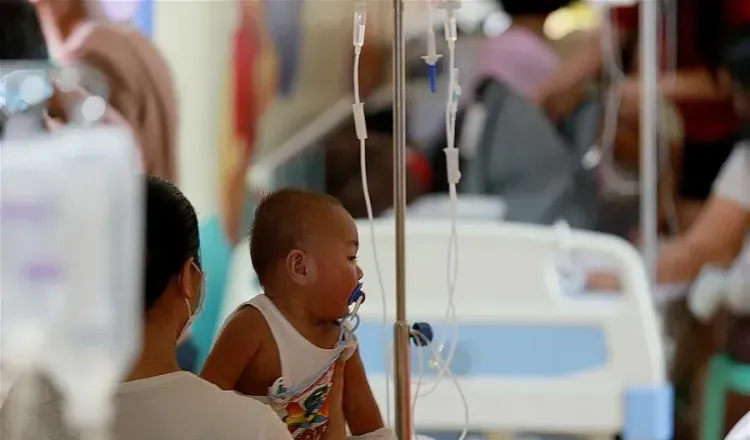
Bangladesh's measles outbreak has claimed at least eight more lives in a single 24-hour window, pushing the total number of confirmed and suspected deaths to 432 since mid-March, according to the country's Directorate General of Health Services (DGHS). The cumulative case count — combining confirmed and suspected infections — has now crossed 60,000, making this one of the largest measles outbreaks the country has recorded in recent years.
Latest Case and Fatality Figures
The DGHS recorded 1,489 new suspected cases in the 24 hours leading up to Wednesday morning, 14 May, bringing total suspected infections to 53,056. An additional 126 confirmed cases were logged in the same period, raising the confirmed count to 7,150. The eight new fatalities were all reported within that same window, according to local media including The Daily Star and The Dhaka Tribune.
What Health Experts Are Saying
Public health expert Mushtaq Hossain attributed the rapid spread to delays in timely vaccination efforts. 'Had a proper tier-based treatment system been followed during the outbreak, the mortality rate could have been significantly reduced,' Hossain was quoted as saying by The Dhaka Tribune. He also warned that once case counts surpass the 50,000 mark — a threshold already breached — a formal public health emergency ought to have been declared, and that the absence of such a declaration has hampered a coordinated response.
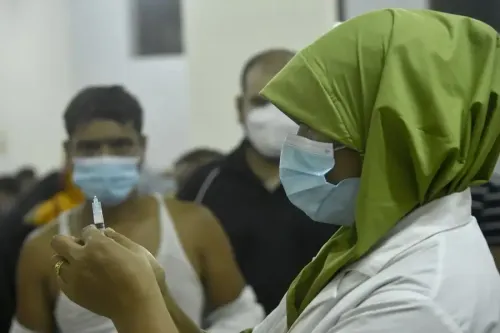
Virologist and public health specialist Mahbuba Jamil offered a cautiously optimistic note, stating: 'If vaccination activities continue, transmission may begin to decline within the next few weeks. Areas where vaccination drives have been conducted are showing relatively better conditions.' She identified Sylhet district as currently among the worst-affected regions in terms of active infections.
Health experts broadly agree that inadequate vaccination coverage in the preceding year, compounded by widespread malnutrition, has significantly worsened the outbreak's severity.
Political Fallout and Public Protests
On Wednesday, a group of protesters operating under the banner of 'Socheton Nagorik Samaj' reportedly formed a human chain in Dhaka's Dhanmondi 27 area. The demonstrators called for the trial of former interim government chief advisor Muhammad Yunus and his health advisor Nurjahan Begum over the measles-related deaths, and demanded compensation for the victims' families.
A recent report described the outbreak as an 'avoidable disaster', attributing part of the blame to the previous interim government led by Yunus, which, according to the report, dismantled a functional vaccine procurement system without the capacity to rebuild it. An editorial in The Daily Star stated: 'The country's measles vaccination coverage rose steadily for two decades, becoming an international model for low-income countries. That record has now been squandered with shocking negligence by the past interim government.'
Background and Broader Context
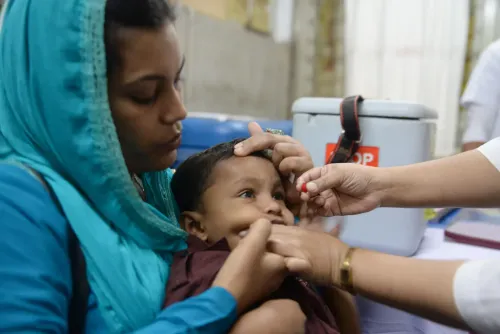
Bangladesh had, over roughly two decades, built a vaccination programme that drew international recognition as a model for low-income nations. The current crisis represents a sharp reversal of that trajectory. Measles, a vaccine-preventable disease, is particularly lethal in populations with poor nutritional status — a factor experts say amplified the death toll in this outbreak. This comes amid a broader global trend of measles resurgence in countries where immunisation programmes faced disruption, whether from conflict, political transitions, or supply-chain failures.
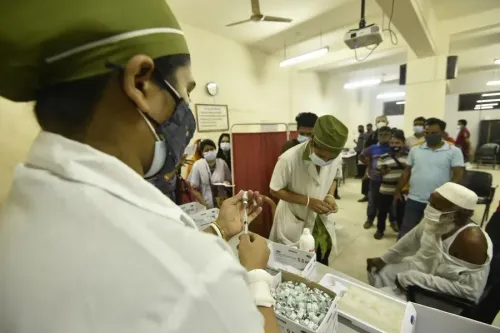
With the death toll at 432 and cases still rising, the coming weeks — and the pace of ongoing vaccination drives — will determine whether Bangladesh can bring this outbreak under control before further lives are lost.
Point of View
000-case threshold — the level at which experts say a public health emergency should have been declared — was breached without triggering that response. The political protests now demanding accountability are a natural consequence, but the harder question is whether the current administration has the institutional capacity to run the catch-up vaccination campaign fast enough to prevent further deaths.
NationPress
26 Sept 2026
Frequently Asked Questions
What is the current death toll from the Bangladesh measles outbreak?
As of 14 May 2025, the total number of confirmed and suspected measles deaths in Bangladesh has reached 432, with eight new fatalities recorded in the 24 hours leading up to Wednesday morning. The figures are reported by the Directorate General of Health Services (DGHS).
How many measles cases have been reported in Bangladesh?
The combined confirmed and suspected case count has crossed 60,000. Of these, 7,150 are laboratory-confirmed cases and 53,056 are suspected infections, according to the DGHS. A further 1,489 suspected cases were added in a single 24-hour window on 14 May.
Why is the Bangladesh measles outbreak so severe?
Health experts cite inadequate vaccination coverage in the preceding year and widespread malnutrition as the primary drivers. Public health expert Mushtaq Hossain has also pointed to delays in vaccination efforts and the absence of a formal public health emergency declaration as factors that worsened the spread.
Which areas of Bangladesh are worst affected by measles?
Virologist and public health specialist Mahbuba Jamil has identified Sylhet district as currently among the worst-affected regions. She noted that areas where vaccination drives have already been conducted are showing relatively better conditions.
Who is being held politically responsible for the outbreak?
Protesters in Dhaka have called for the trial of former interim government chief advisor Muhammad Yunus and health advisor Nurjahan Begum over the deaths. Reports and editorials, including one in The Daily Star, have attributed the crisis partly to the previous interim administration's dismantling of a functional vaccine procurement system without a replacement in place.