Bangladesh measles outbreak: Death toll hits 1,114 as four more children die
Synopsis
Bangladesh’s measles outbreak has now claimed a reported 1,114 lives — confirmed and suspected — with over 194,000 suspected cases in 2026 alone. A GCDG report calls it preventable, tracing the roots to vaccination disruptions during the Yunus-led interim government in 2024–2025. Experts warn the worst may not be over yet.
Key Takeaways
Four more children died from measles in Bangladesh on 2 October 2026 , raising the total confirmed and suspected death toll to 1,114 .
Confirmed deaths stand at 102 ; suspected deaths have climbed to 1,012 , per the DGHS .
Total suspected cases have reached 194,084 , with 21,623 confirmed cases.
Public health expert Mushtuq Husain warned that the wave of deaths and hospitalisations could continue for at least another month due to vaccination immunity lag.
The GCDG report links the crisis to vaccine supply disruptions and programme cancellations during 2024–2025 under the interim government led by Muhammad Yunus .
Measles is vaccine-preventable; experts describe the outbreak as a systemic failure in immunisation infrastructure.
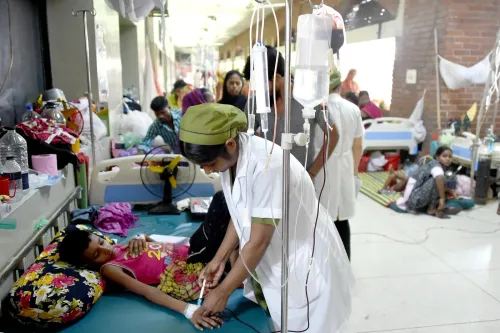
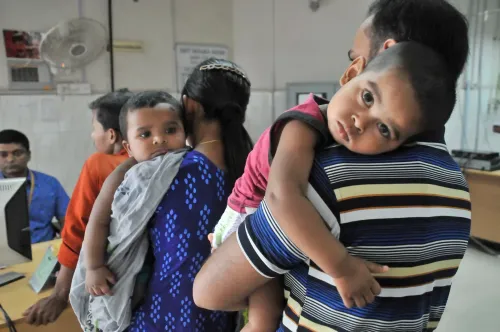
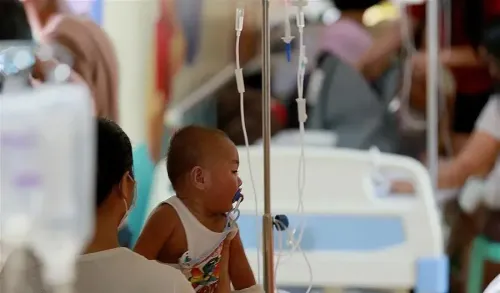
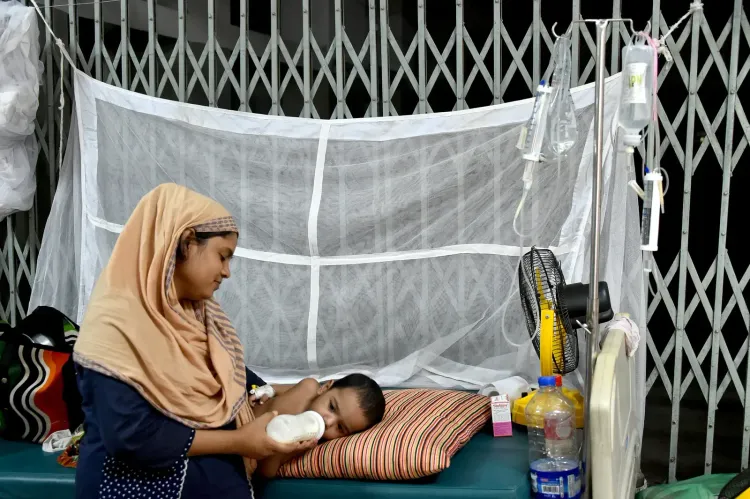
At least four children died from the ongoing measles outbreak in Bangladesh on Friday, 2 October 2026, pushing the total number of confirmed and suspected deaths to 1,114 this year, according to the country's Directorate General of Health Services (DGHS). The escalating public health crisis has now recorded over 194,000 suspected cases nationwide.
Latest Figures
Of the four deaths reported in the 24 hours leading up to Friday morning, one was confirmed as a measles fatality while the remaining three were classified as suspected deaths, according to Bangladeshi media reports. The total number of confirmed deaths stands at 102, while suspected deaths have climbed to 1,012.
The DGHS recorded 1,221 new suspected measles cases during the same 24-hour period, bringing the cumulative suspected case count to 194,084. Additionally, 21 new confirmed cases were reported, raising the confirmed total to 21,623.
Why the Outbreak Is Persisting
Public health experts last week attributed the resurgence to gaps in previous vaccination coverage and shortcomings in hospital and patient management, including delays in detecting and isolating infected children. Speaking to Bangladeshi newspaper The Daily Star, public health expert Mushtuq Husain warned that children generally require three to four weeks after vaccination to develop sufficient immunity. “Therefore, the current wave of infections, hospitalisations and deaths may continue for at least another month,” he said.
A Preventable Crisis, Experts Say
Canada-based advocacy organisation the Global Centre for Democratic Governance (GCDG) has described the 2026 measles outbreak as one of Bangladesh’s worst public health crises in recent history. In a report titled ‘Preventable Tragedy: Bangladesh’s 2026 Measles Outbreak’, the GCDG stated that while the outbreak appeared sudden to the public, it was not unexpected from an “epidemiological perspective.”
The report identified a combination of factors behind the crisis: disruptions to vaccine supply and health programmes during 2024–2025 under the former interim government led by Muhammad Yunus, missed routine vaccinations, cancellations of scheduled supplementary immunisation programmes, administrative delays in vaccine procurement, and a failure to promptly identify at-risk populations.
Broader Context
Measles is a highly contagious but vaccine-preventable disease. The scale of this outbreak underscores what experts describe as a systemic collapse in routine immunisation infrastructure rather than an isolated spike. This comes amid renewed global concern over vaccine-preventable disease resurgences in post-pandemic settings, where health system disruptions have left significant coverage gaps. Bangladesh’s outbreak is reportedly among the most severe measles crises in South Asia in recent years.
What Happens Next
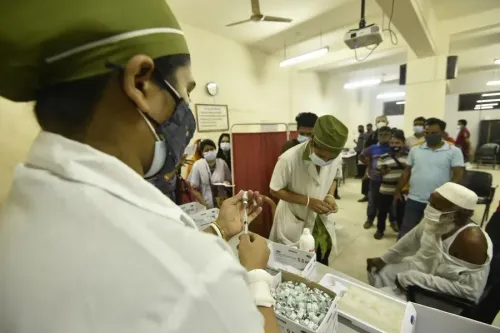
Given the immunisation lag of three to four weeks, public health officials and experts expect deaths and hospitalisations to continue rising through at least November 2026. Health authorities are under pressure to accelerate supplementary immunisation drives and strengthen case isolation protocols to contain further spread.
Point of View
114 from a vaccine-preventable disease is not a tragedy of fate — it is a failure of governance. The GCDG’s finding that disruptions under the Yunus interim government in 2024–2025 seeded this outbreak shifts the accountability question firmly into the political arena. What is striking is the scale of the suspected-to-confirmed ratio: over 1,000 suspected deaths against 102 confirmed ones, suggesting Bangladesh’s disease surveillance system is itself under strain. The real test for current health authorities is not just ramping up vaccination — it is rebuilding the routine immunisation architecture that collapsed quietly before this crisis became visible.
NationPress
2 Oct 2026
Frequently Asked Questions
What is the current death toll from the Bangladesh measles outbreak?
As of 2 October 2026, the total number of confirmed and suspected measles deaths in Bangladesh stands at 1,114, according to the DGHS. Of these, 102 are confirmed measles deaths and 1,012 are classified as suspected.
How many measles cases have been reported in Bangladesh in 2026?
Bangladesh has recorded 194,084 suspected measles cases and 21,623 confirmed cases as of 2 October 2026, per DGHS data. A single 24-hour period ending Friday morning saw 1,221 new suspected cases and 21 new confirmed cases.
Why is the Bangladesh measles outbreak so severe?
Experts attribute the severity to disruptions in vaccine supply and health programmes during 2024–2025, missed routine vaccinations, cancellation of supplementary immunisation drives, and delays in identifying at-risk children. The GCDG has called it a ‘preventable tragedy’ rooted in systemic failures.
How long will the Bangladesh measles outbreak last?
Public health expert Mushtuq Husain has warned that the current wave of infections, hospitalisations, and deaths may continue for at least another month, as newly vaccinated children need three to four weeks to develop sufficient immunity.
What role did the former Bangladesh interim government play in the outbreak?
According to the GCDG report, disruptions to vaccine supply and health programmes during 2024–2025 under the interim government led by Muhammad Yunus contributed significantly to the outbreak. The report cites missed vaccinations, programme cancellations, and administrative delays in vaccine procurement as key factors.