Bangladesh measles outbreak: Death toll hits 1,186 as five more children die
Synopsis
Bangladesh's 2026 measles outbreak has now claimed 1,186 lives — with over 211,000 suspected cases — and experts say it could persist for another month. A Canadian governance group's report pins the catastrophe on vaccination programme disruptions under the former Yunus-led interim government, making this a preventable public health disaster of historic scale.
Key Takeaways
Bangladesh recorded five more measles-linked child deaths on Friday, 16 October 2026 , taking the 2026 toll to 1,186 .
Of total deaths, 104 are confirmed and 1,082 are suspected, per the DGHS .
Cumulative suspected cases have reached 211,040 ; confirmed cases stand at 22,972 .
UNICEF -backed vaccine procurement was reinstated in April 2026 , but experts say the outbreak is unlikely to be quickly controlled due to transmission speed.
The Global Centre for Democratic Governance (GCDG) linked the crisis to vaccination programme disruptions during 2024–2025 under former interim PM Muhammad Yunus .
Public health expert Mushtuq Husain warned infections and deaths may continue for at least another month due to immunity lag post-vaccination.
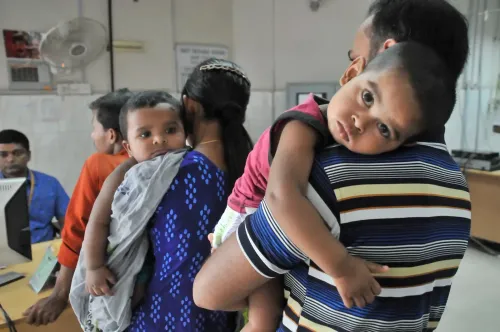
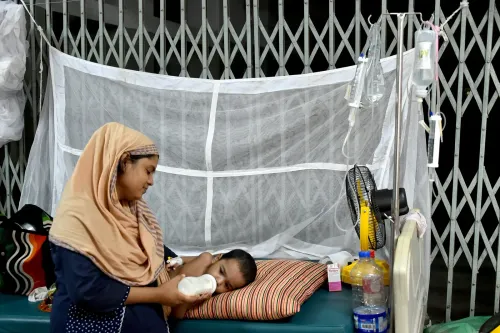
Bangladesh recorded five more child deaths linked to measles on Friday, 16 October 2026, pushing the country's total measles death toll this year to 1,186, according to local media reports. The fatalities, reported in the 24 hours leading up to Friday morning, were classified as suspected cases by the Directorate General of Health Services (DGHS).
Scale of the Outbreak
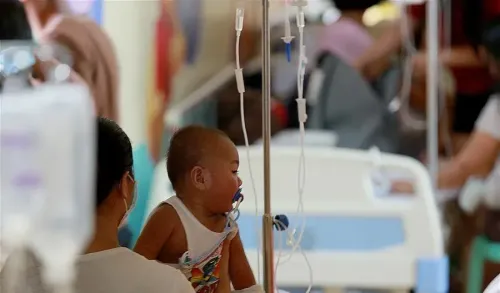
Of the 1,186 total deaths recorded in 2026, 104 have been confirmed, while 1,082 remain classified as suspected, according to DGHS data. The authority also logged 1,164 new suspected measles cases within the same 24-hour window, bringing the cumulative suspected case count to 211,040. An additional 46 confirmed cases were added in the period, raising the confirmed total to 22,972.
Why the Epidemic Remains Hard to Contain
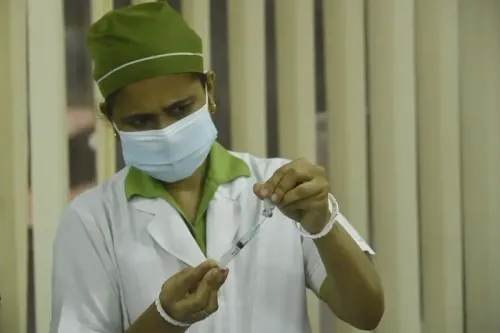
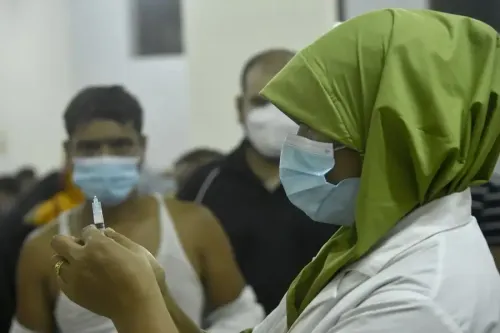
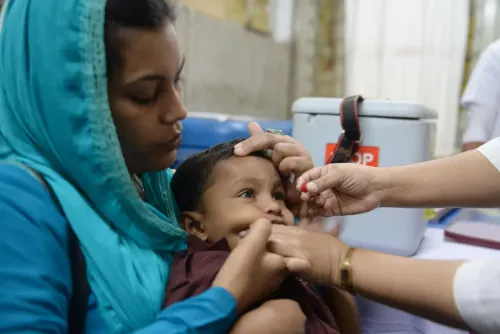
Despite Bangladesh reinstating vaccine procurement through UNICEF in April 2026 and launching an emergency vaccination drive, public health specialists warn that a rapid containment is unlikely. Be-nazir Ahmed, former director of disease control at the DGHS, said last week that the speed of transmission makes a quick end to the epidemic implausible, according to reports from leading Bangladeshi newspaper The Daily Star.
Public health expert Mushtuq Husain, also speaking to The Daily Star, noted that children generally require three to four weeks after vaccination to develop adequate immunity. 'Therefore, the current wave of infections, hospitalisations and deaths may continue for at least another month,' he said.
Root Causes: Vaccination Gaps and System Failures
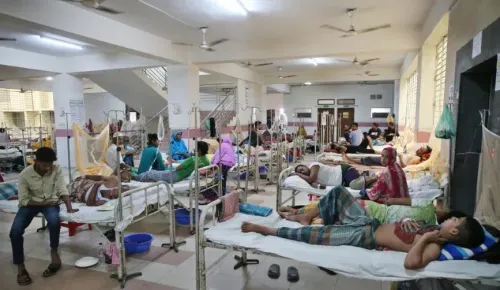
Last month, public health experts attributed the resurgence to gaps in prior vaccination coverage and shortcomings in hospital management, including delays in detecting and isolating infected children. A report by the Canada-based Global Centre for Democratic Governance (GCDG), titled Preventable Tragedy: Bangladesh's 2026 Measles Outbreak, described the crisis as one of Bangladesh's worst public health emergencies in recent history.
The GCDG report noted that while the outbreak appeared sudden to the public, it was not unexpected from an epidemiological standpoint. It attributed the crisis to a combination of disruptions to vaccine supply and health programmes during 2024–2025 under the former interim government led by Muhammad Yunus, alongside missed routine vaccinations, cancelled supplementary immunisation programmes, administrative delays in procurement, and a failure to identify at-risk populations in time.
What Happens Next
With a vaccine-to-immunity lag of up to four weeks and a confirmed case tally nearing 23,000, experts expect infections, hospitalisations, and deaths to persist through at least mid-November 2026. Bangladesh's health authorities face mounting pressure to accelerate case detection, isolation protocols, and community-level vaccination outreach to arrest the trajectory of what is already a historically severe outbreak.
Point of View
186 from a vaccine-preventable disease in 2026 is not a natural disaster — it is an institutional failure. The GCDG report's finding that vaccination programmes were disrupted during the Yunus interim government period deserves far more scrutiny than it has received, as it places accountability squarely on policy choices rather than circumstance. Bangladesh reinstating UNICEF procurement in April was the right move, but it came months too late for over a thousand children. The deeper question is whether the country's immunisation infrastructure can sustain continuity through political transitions — because if it cannot, this will not be the last such outbreak.
NationPress
16 Oct 2026
Frequently Asked Questions
What is the current death toll from the Bangladesh measles outbreak in 2026?
The death toll from Bangladesh's 2026 measles outbreak reached 1,186 as of Friday, 16 October, after five more children died. Of these, 104 deaths are confirmed and 1,082 are classified as suspected, according to the Directorate General of Health Services (DGHS).
How many measles cases have been recorded in Bangladesh in 2026?
As of 16 October 2026, Bangladesh had recorded 211,040 suspected measles cases and 22,972 confirmed cases, according to DGHS data. The figures include 1,164 new suspected cases and 46 new confirmed cases in a single 24-hour period.
Why has Bangladesh's measles outbreak been so difficult to contain?
Experts cite gaps in prior vaccination coverage, delayed detection and isolation of infected children, and slow vaccine procurement as key factors. Public health specialist Mushtuq Husain noted that children need three to four weeks post-vaccination to develop immunity, meaning the current wave could persist for at least another month.
What caused the Bangladesh measles outbreak, according to health experts?
The Global Centre for Democratic Governance (GCDG) attributed the outbreak to disruptions in vaccine supply and health programmes during 2024–2025 under the former interim government led by Muhammad Yunus. Contributing factors included missed routine vaccinations, cancelled supplementary immunisation drives, administrative procurement delays, and a failure to identify at-risk populations promptly.
What steps has Bangladesh taken to address the measles outbreak?
Bangladesh reinstated vaccine procurement through UNICEF in April 2026 and launched an emergency vaccination campaign. However, public health experts, including former DGHS disease control director Be-nazir Ahmed, have said that given the speed of transmission, the epidemic is unlikely to be quickly contained.