Mahua Moitra demands answers over alleged abduction of flag-waving activists by police
Synopsis
TMC MP Mahua Moitra publicly called out the alleged police abduction of two activists — @abhijeet_dipke and @neha_aisa — for waving the party flag, demanding to know if the government had 'gone mad.' No official response has emerged.
Key Takeaways
TMC MP Mahua Moitra posted on 16 October 2026 alleging two activists were 'abducted' by police for waving the party flag.
The two individuals named are @abhijeet_dipke and @neha_aisa .
Moitra framed the incident as an assault on political expression, asking: 'Has this government gone mad?' No official police or government statement has addressed the alleged detentions as of the time of posting.
The incident fits a broader, recurring pattern of opposition allegations about police misuse against party workers during political activities.
Legal developments — bail hearings, court filings, or an official police response — will determine how the story unfolds.
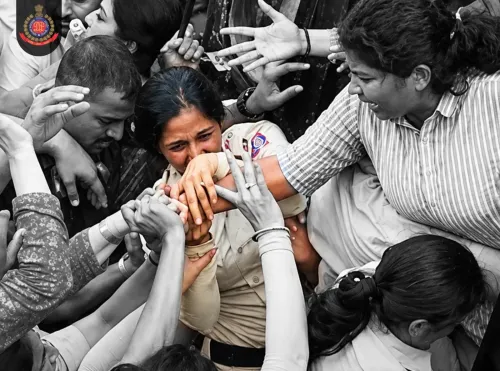
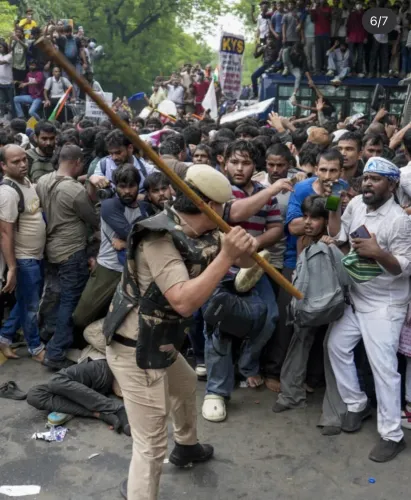
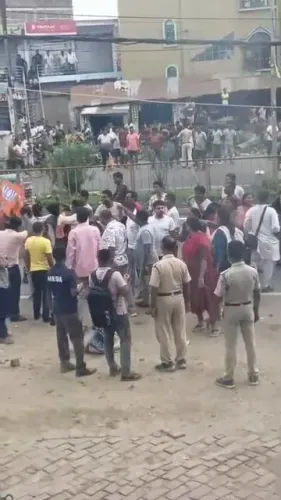
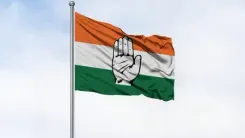
Two political activists were allegedly picked up by police simply for waving the Trinamool Congress flag — and TMC MP Mahua Moitra is demanding answers. On Friday, 16 October 2026, the Krishnanagar MP posted a sharp, pointed challenge on X, naming the two individuals and asking whether the government had 'gone mad.'
What Moitra alleged — and why it landed hard
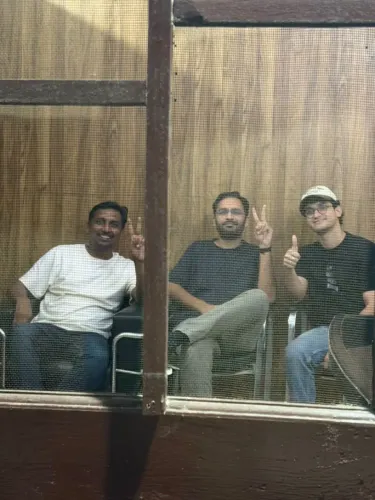
Moitra's post called out the police by name, tagging the two individuals — @abhijeet_dipke and @neha_aisa — and accusing authorities of abducting them solely for waving 'our flag.' The language was unusually direct even by her standards: 'Has this government gone mad?' The post framed the incident not as a law-and-order matter but as a fundamental question of political expression.
The phrase 'abducted like this' implies the detentions were arbitrary and unannounced — a characterisation that, if confirmed, would raise immediate questions under Article 19 of the Constitution, which guarantees freedom of expression and the right to peaceful assembly.
A recurring fault line in Indian politics
Allegations of police action against opposition workers waving party flags are not new to Indian political discourse. Opposition parties — across the spectrum — have long accused state and central police forces of selectively targeting their workers during politically sensitive periods. What makes such incidents combustible is the layered tension between state police authority and the constitutional right to peaceful political expression.
Moitra has previously been a prominent voice against what she characterises as executive overreach, making this post consistent with a pattern of direct, unambiguous pushback at institutional authority.
No official response yet — that silence matters
As of the time of posting, no statement from the police, the Home Ministry, or any state government has addressed the alleged detentions. The absence of official clarity leaves the field open — and gives opposition voices room to shape the narrative. Any bail proceedings, official police statement, or court intervention will be the next critical data point in this story.
The two individuals named by Moitra have not yet spoken publicly, and independent confirmation of the circumstances of their detention is awaited.
If the facts bear out Moitra's account, the question stops being about two activists and starts being about where the line between policing and political intimidation is drawn in India today.
Point of View
Framing an alleged act as unconstitutional, and forcing official visibility on what might otherwise remain an invisible local incident. Whether or not the facts are fully confirmed, the post immediately elevates a ground-level detention into a national political question about the limits of police authority over symbolic political expression. It also feeds into a larger Opposition narrative ahead of any electoral cycle: that institutional coercion is being deployed against party workers. The government's response — or its silence — will itself become the story.
NationPress
17 Oct 2026
Frequently Asked Questions
Why did Mahua Moitra post about police abducting activists?
Moitra alleged that two individuals — @abhijeet_dipke and @neha_aisa — were detained by police solely for waving the TMC flag, framing it as an unconstitutional act and demanding accountability from the government.
Who are the activists Mahua Moitra mentioned?
Moitra named two individuals by their X handles — @abhijeet_dipke and @neha_aisa — as the persons allegedly detained. Further details about them have not been independently confirmed.
Is it legal to arrest someone for waving a political party flag in India?
Under Article 19 of the Indian Constitution, citizens have the right to freedom of expression and peaceful assembly. Detaining someone solely for displaying a party flag — absent any specific legal violation — would raise serious constitutional questions.
Has the government or police responded to Mahua Moitra's allegations?
As of Moitra's post on 16 October 2026, no official police or government statement addressing the alleged detentions had been issued.
Is this the first time TMC has alleged police action against party workers?
No. Indian opposition parties, including the TMC, have periodically alleged misuse of police powers against their workers. Such claims form part of an ongoing debate on political expression and federal-state policing dynamics in India.