Mahua Moitra Alleges BJP Attack, WB Police Inaction
Synopsis
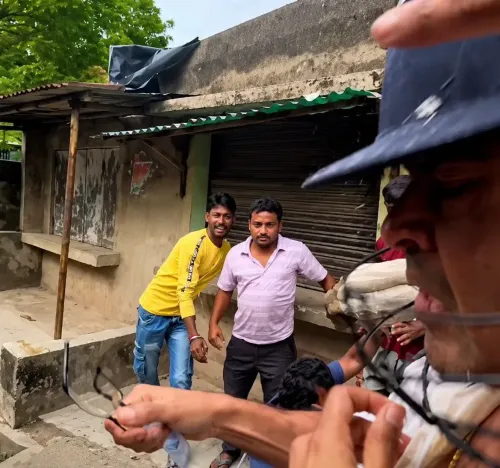
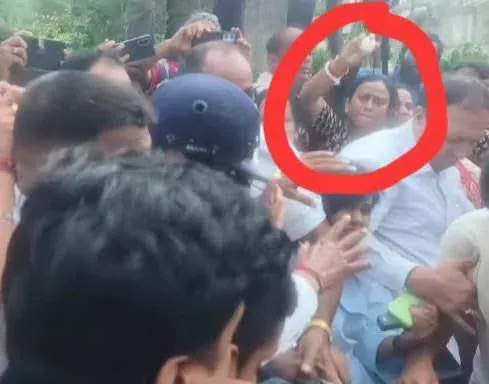
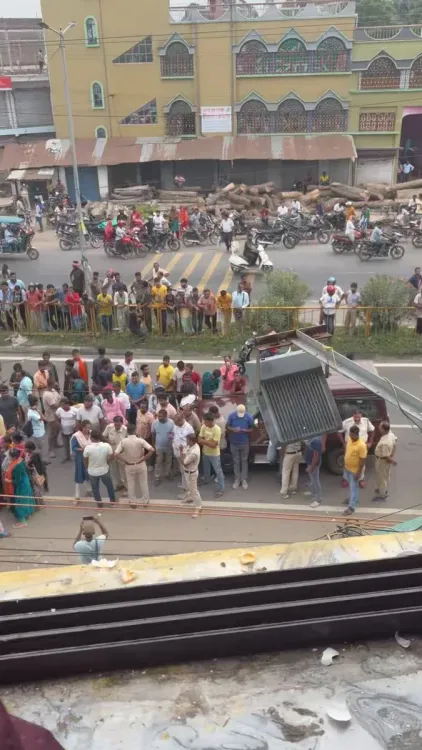
TMC MP Mahua Moitra alleged on 1 July 2026 that BJP workers physically attacked her while West Bengal Police stood by. She tagged CM Mamata Banerjee and national INDIA bloc leaders in an urgent social media appeal accompanied by a video.
Key Takeaways
TMC Lok Sabha MP Mahua Moitra alleged she was attacked by BJP workers on 1 July 2026 .
She claimed West Bengal Police were present but did not intervene.
A video was attached to her post; it has not been independently verified.
She tagged CM Mamata Banerjee , Rahul Gandhi , Akhilesh Yadav , Supriya Sule , M K Stalin , and Arvind Kejriwal .
No official police complaint number or state government response was available at the time of publication.
The allegation fits a recurring pattern of TMC-BJP clashes and mutual accusations of police partiality in West Bengal .
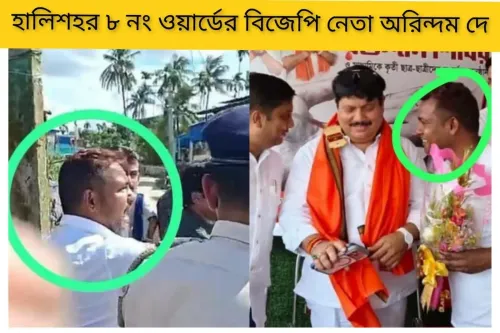
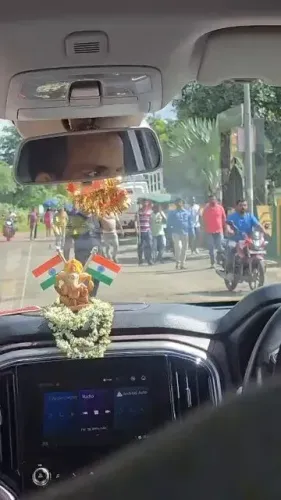
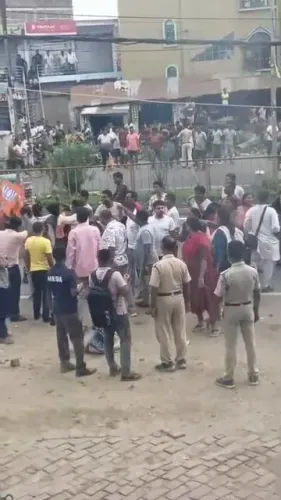
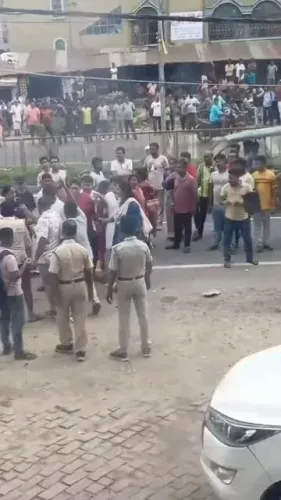
TMC MP Mahua Moitra on Wednesday, 1 July 2026, alleged in a social media post that she was being physically attacked by workers affiliated with the Bharatiya Janata Party while West Bengal Police stood by without intervening. The post, accompanied by a video, was addressed directly to senior opposition leaders across multiple parties, signalling an appeal for national solidarity.
What Moitra Alleged
In a terse, urgent post on X, the Krishnanagar MP wrote: 'Currently being attacked by BJP goons with WB Police watching on.' She tagged West Bengal Chief Minister Mamata Banerjee, Congress leader Rahul Gandhi, Samajwadi Party chief Akhilesh Yadav, NCP (SP) MP Supriya Sule, DMK chief and Tamil Nadu Chief Minister M K Stalin, and AAP leader Arvind Kejriwal. The video attached to the post has not been independently verified by NationPress at the time of publication.
The nature and precise location of the alleged incident were not specified in the post itself. No formal police complaint number or official statement from West Bengal Police was available at the time of writing.
Context: A Recurring Pattern in West Bengal Politics
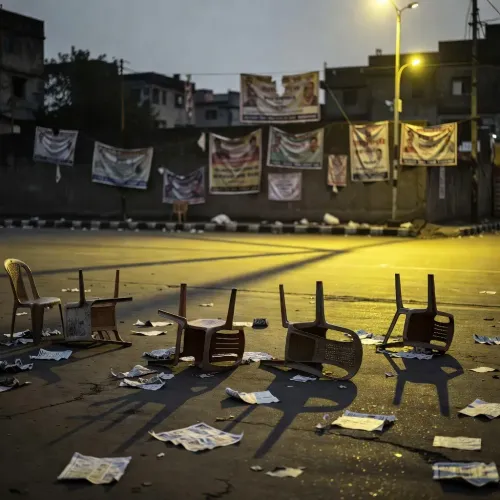
West Bengal has a well-documented history of street-level clashes between TMC and BJP cadres, with cycles of political violence recorded prominently during the 2021 state assembly elections. Both parties have, at different times, accused the other of orchestrating attacks on workers.
West Bengal Police, which operates under the state government led by Chief Minister Mamata Banerjee, has repeatedly been accused by BJP of partisan conduct — a charge the state administration has consistently denied. Opposition parties, including the BJP at the national level, have raised the issue of police neutrality in the state before parliamentary committees and in public discourse since at least 2019.
Policy Backdrop: Police Accountability and Political Violence
Law and order in West Bengal is a state subject, placing the police force under the authority of the elected state government. Critics have argued this creates structural incentives for partisan policing, while the state administration maintains that security forces act impartially.
The INDIA bloc, a national opposition alliance of which both TMC and Congress are members, has often used social media coordination to publicise alleged attacks on opposition figures. Moitra's decision to tag leaders from Congress, SP, NCP (SP), DMK, and AAP reflects this established pattern of seeking cross-party amplification during politically sensitive moments.
Stakeholders and Impact
Mahua Moitra is one of the most prominent voices in the national opposition, known for her sharp parliamentary interventions and high public profile. Any allegation of physical attack on a sitting Lok Sabha MP carries constitutional weight, as MPs are entitled to security and unimpeded movement in the discharge of their duties.
The tagging of Chief Minister Mamata Banerjee — who heads both the state government and the party Moitra represents — is notable. It suggests the appeal is as much to the party leadership to act as it is to national allies for solidarity. Responses from the tagged leaders, and any formal action by West Bengal Police or the National Human Rights Commission, will determine how the episode develops politically.
What's Next
The immediate questions are whether West Bengal Police registers a case and what the official response from BJP and the state government will be. National opposition leaders tagged in the post are likely to respond publicly, potentially escalating the episode into a broader political flashpoint. Any formal complaint filed by Moitra or her office would trigger a mandatory police inquiry under Indian Penal Code provisions governing assault and unlawful assembly.
If verified, the incident would add fresh fuel to the long-running debate over political violence and police conduct in West Bengal — a debate that has shaped the state's political landscape for over a decade and continues to influence national opposition dynamics ahead of future electoral cycles.
Point of View
And the national coalition that amplifies the narrative. West Bengal's entrenched cycle of political violence and contested police conduct means such allegations land in a charged environment where both sides have established grievance repertoires. How quickly — and whether — the state government responds will itself become a political signal watched by opposition parties heading into the next electoral cycle.
NationPress
30 Sept 2026
Frequently Asked Questions
What did Mahua Moitra allege on 1 July 2026?
Mahua Moitra, TMC MP from Krishnanagar, alleged she was being physically attacked by BJP workers while West Bengal Police stood by without intervening, posting the claim on X along with a video.
Who did Mahua Moitra tag in her post about the attack?
She tagged West Bengal CM Mamata Banerjee, Congress leader Rahul Gandhi, SP chief Akhilesh Yadav, NCP (SP) MP Supriya Sule, DMK chief M K Stalin, and AAP leader Arvind Kejriwal.
Has West Bengal Police responded to Mahua Moitra's allegations?
No official response from West Bengal Police or the state government was available at the time of publication. NationPress is monitoring for developments.
Is political violence common in West Bengal between TMC and BJP?
Yes. West Bengal has a documented history of clashes between TMC and BJP workers, with incidents recorded prominently during and after the 2021 state assembly elections. Both parties have accused each other of orchestrating violence.
What action can be taken if a sitting MP is attacked in India?
A sitting Lok Sabha MP can file a police complaint triggering a mandatory inquiry under Indian Penal Code provisions on assault and unlawful assembly. The matter can also be raised in Parliament or before the National Human Rights Commission.