Mahua Moitra alleges BJP mob attack, police inaction in Bengal

Synopsis
TMC MP Mahua Moitra on 2 July 2026 alleged a BJP-linked mob attacked her West Bengal premises for four hours with police complicity, and addressed the Inter-Parliamentary Union directly, accusing the Lok Sabha Speaker of failing to protect an opposition MP.
Key Takeaways
Mahua Moitra , TMC Lok Sabha MP from Krishnanagar , alleged a mob linked to the BJP attacked her premises in West Bengal on 2 July 2026 .
She claims she was confined for four hours while local police allegedly remained passive and complicit.
Moitra addressed the Inter-Parliamentary Union (IPU) directly, seeking international parliamentary attention on the incident.
She also accused the Lok Sabha Speaker of failing to provide protection to an opposition member of Parliament.
The allegations are unverified; no independent confirmation of the sequence of events or police conduct has been established.
The incident fits a broader pattern of TMC-BJP political clashes in West Bengal that have periodically been escalated to constitutional and international forums.
TMC MP Mahua Moitra on Thursday, 2 July 2026, publicly addressed the Inter-Parliamentary Union (IPU), alleging that a mob linked to the ruling Bharatiya Janata Party (BJP) attacked her premises in West Bengal, with local police remaining passive throughout an ordeal she says lasted four hours. She also alleged that the Lok Sabha Speaker had failed to provide her adequate protection as an opposition member of Parliament.
What Moitra alleged
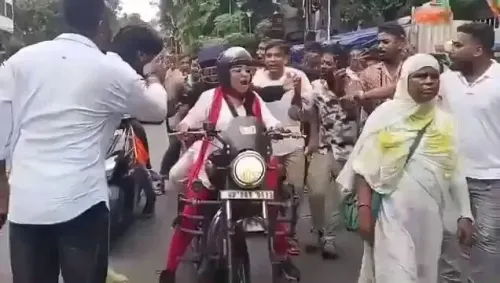
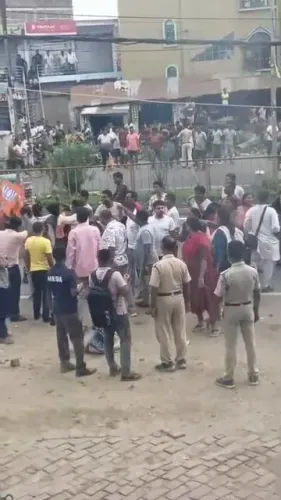
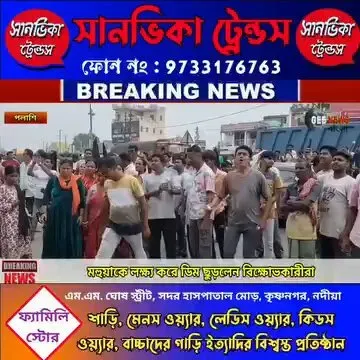
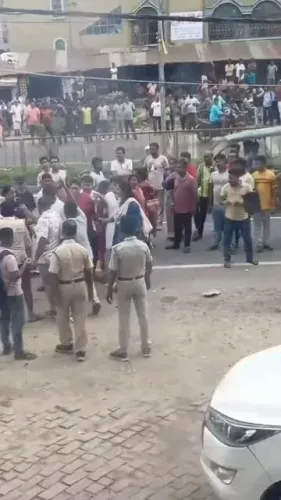
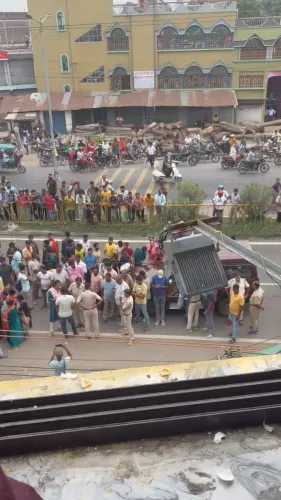
In her post directed at the IPU — the international body of national parliaments — Moitra claimed she was 'confined for 4 hours' while a 'lynch mob' she described as 'BJP goons' attacked her premises. She stated that police in Bengal were 'complicit' and 'watched' without intervening. She also called out the Lok Sabha Speaker for providing 'no protection for Opposition MP.'
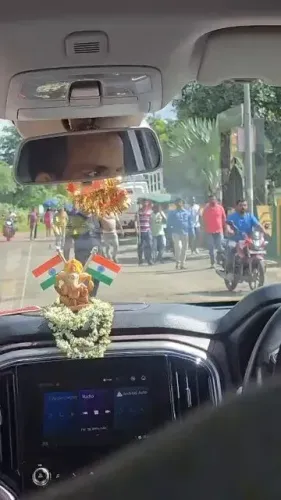
The post was accompanied by a video, which Moitra shared as evidence of the alleged incident. The specific sequence of events and the conduct of police as described in the post are based solely on Moitra's account and have not been independently verified.
Context: West Bengal's fractured political landscape
West Bengal has been governed by the Trinamool Congress (TMC) since 2011, while the BJP has emerged as the principal opposition force in the state over the past decade. The state has seen recurring and well-documented episodes of inter-party clashes — particularly during the 2019 Lok Sabha elections and the 2021 assembly elections — with both parties trading allegations of targeted violence against each other's workers and offices.
Moitra, the Lok Sabha MP from Krishnanagar, has consistently been a vocal critic of the central government on issues of civil liberties, parliamentary privilege, and institutional accountability. Her decision to address the IPU directly signals an effort to internationalise a domestic security complaint.
Policy backdrop: MP security and parliamentary privilege
Standing parliamentary conventions in India place a duty on the state government to ensure the safety of elected representatives, while the Lok Sabha Speaker holds oversight responsibility for the privileges and security of members of the lower house. Supreme Court observations in prior cases have underscored the obligation to protect opposition legislators from targeted violence.
Opposition MPs from non-NDA parties have, on previous occasions, escalated domestic security grievances to international parliamentary forums — including the IPU — when they have perceived the response from the Speaker's office or state authorities as inadequate. Such escalations are rare but not without precedent in India's parliamentary history.
Stakeholders and impact
The immediate stakeholders are opposition MPs operating in states where the BJP holds significant political presence, and political workers in West Bengal on both sides of the divide. If Moitra's account is substantiated, it would raise serious questions about the neutrality of law enforcement in the state during inter-party confrontations.
The broader implication touches on the erosion of trust in neutral enforcement agencies during politically charged episodes — a pattern that has drawn criticism from civil society organisations and legal observers across multiple states.
What's next
Attention will now focus on any formal response from the West Bengal government, the Lok Sabha Secretariat, or the IPU itself. With Parliament's monsoon session approaching, the incident could be raised on the floor of the House, potentially triggering a privilege motion or a demand for a statement from the Speaker. Whether the BJP or state police issue a rebuttal to Moitra's account will be a key development to watch in the coming days.
Point of View
Where law-and-order narratives are weaponised by both TMC and BJP to delegitimise each other ahead of electoral cycles. Whether or not the specifics are verified, the episode will intensify scrutiny of MP security protocols and the Speaker's role in protecting opposition legislators. The broader arc here is one of deepening institutional distrust — a trend that carries implications well beyond West Bengal.
NationPress
1 Oct 2026
Frequently Asked Questions
What did Mahua Moitra allege on 2 July 2026?
Mahua Moitra alleged that a BJP-linked mob attacked her premises in West Bengal, confined her for four hours, and that local police remained passive and complicit throughout the incident.
Why did Mahua Moitra address the Inter-Parliamentary Union?
She addressed the IPU — the international body of national parliaments — to seek international attention on the alleged incident, indicating she perceived domestic channels, including the Lok Sabha Speaker, as unresponsive to her security concerns.
What is the Lok Sabha Speaker's responsibility regarding MP security?
Parliamentary convention places a duty on the Lok Sabha Speaker to oversee the privileges and security of members of the lower house, including opposition MPs.
Is there a history of political violence between TMC and BJP in West Bengal?
Yes. West Bengal has seen recurring allegations of inter-party violence between TMC and BJP, particularly during the 2019 Lok Sabha and 2021 assembly elections, with both sides accusing each other of targeted attacks.
What could happen next after Moitra's allegations?
The incident could be raised in Parliament's upcoming monsoon session through a privilege motion or a demand for a statement from the Speaker, and a formal response from the West Bengal government or Lok Sabha Secretariat is possible.