Bangladesh measles outbreak: Death toll nears 900 as five more children die
Synopsis
Bangladesh's measles outbreak has claimed at least 885 lives — confirmed and suspected — with nearly 1.4 lakh cases reported in 2026. The GCDG's damning report links the catastrophe directly to a procurement policy change under the former interim government that triggered a nationwide vaccine stock-out, despite repeated formal warnings from UNICEF. This is a preventable tragedy unfolding in real time.
Key Takeaways
Five children died from measles in Bangladesh on 12 August 2026 , raising the total confirmed and suspected death toll to 885 .
Confirmed deaths stand at 99 ; suspected deaths at 786 , per the Directorate General of Health Services (DGHS) .
Total suspected cases have reached 1,39,125 ; confirmed cases total 17,469 .
Measles vaccination coverage dropped to 56.2% in 2025 — the lowest since 2017 — following disruptions under the former interim government led by Muhammad Yunus .
UNICEF issued five to six formal warnings and held around 10 meetings cautioning of a vaccine shortage, which went unheeded.
WHO identified a nationwide Measles-Rubella (MR) vaccine stock-out in 2024–2025 as the primary trigger for the 2026 outbreak.
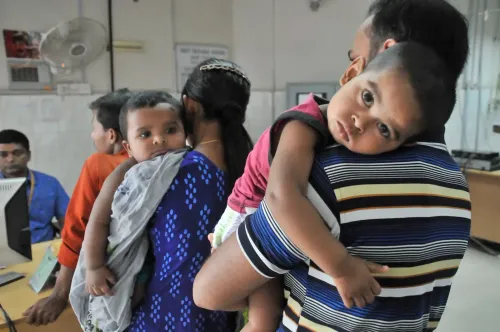
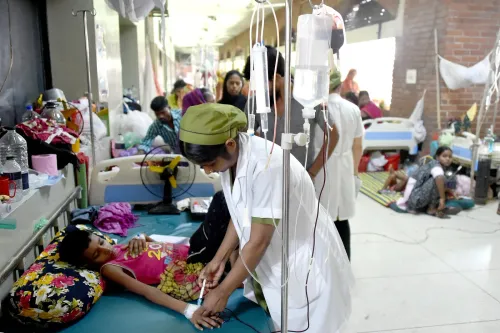
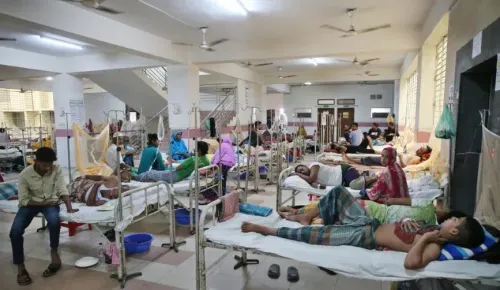
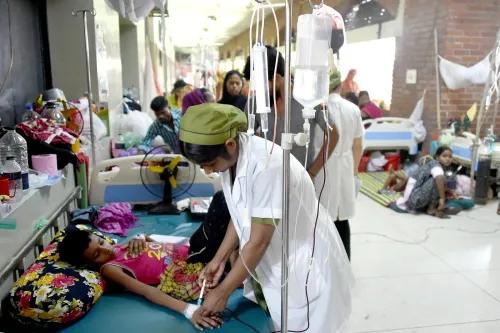
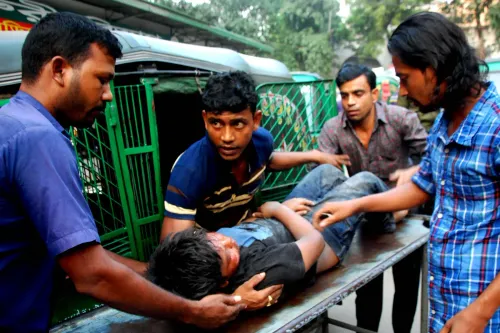
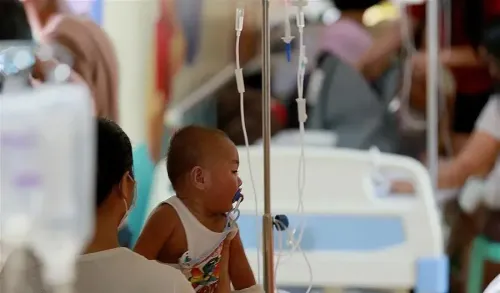
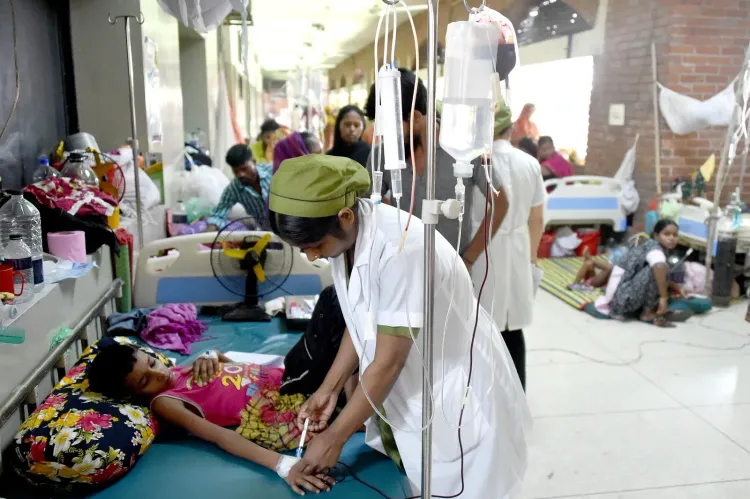
At least five children died from the measles outbreak in Bangladesh on Wednesday, 12 August 2026, pushing the total number of confirmed and suspected deaths to 885 this year. The fatalities, reported within a 24-hour window ending Wednesday morning, underscore the severity of what international observers are calling one of the country's worst public health emergencies in recent history.
Latest Death and Case Figures
Of the five deaths recorded on Wednesday, one was classified as a confirmed measles fatality while the remaining four were listed as suspected deaths, according to the Directorate General of Health Services (DGHS). Cumulatively, confirmed deaths have risen to 99, while suspected deaths now stand at 786.
The DGHS also logged 941 new suspected cases in the same 24-hour period, bringing the total suspected case count to 1,39,125. An additional 84 confirmed cases were added, taking the confirmed total to 17,469.
How the Crisis Unfolded
A detailed report titled 'Preventable Tragedy: Bangladesh's 2026 Measles Outbreak', published by the Canada-based Global Centre for Democratic Governance (GCDG), argues that the outbreak was not an unexpected event from an epidemiological standpoint, even if it appeared sudden to the public. The report traces the crisis to a series of systemic failures between 2024 and 2025 during the former interim government led by Muhammad Yunus.
According to the GCDG, the breakdown stemmed from disruptions to vaccine supply chains, cancellations of scheduled supplementary immunisation programmes, administrative delays in procurement, and a failure to identify at-risk populations in time.
Vaccine Procurement Failure at the Core
Bangladesh had historically sourced WHO-approved vaccines through the United Nations Children's Fund (UNICEF)'s international supply chain. The interim government, however, replaced this established mechanism with an open tender procurement process — a shift that reportedly triggered the supply gap.
According to the GCDG report, UNICEF issued between five and six formal warnings to the interim government and held approximately 10 meetings between 2024 and 2026, cautioning about a potential vaccine shortage. Those warnings went unheeded.
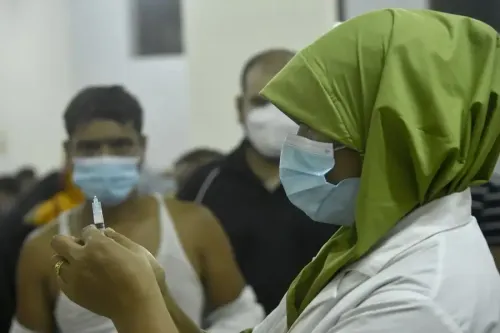
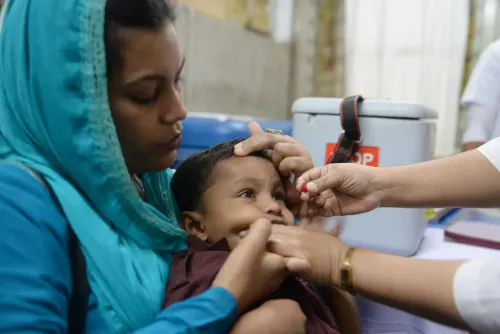
The consequences were measurable: citing Expanded Programme on Immunisation (EPI) data reported by Bangladeshi daily Samakal, the GCDG noted that measles vaccination coverage fell to 56.2 per cent in 2025 — the lowest recorded between 2017 and 2025. The World Health Organization (WHO) subsequently identified a nationwide stock-out of the Measles-Rubella (MR) vaccine during 2024–2025 and the absence of routine vaccination as the primary drivers of the outbreak.
Why This Outbreak Demands Attention
Measles is a vaccine-preventable disease, and outbreaks of this scale are widely regarded by public health experts as indicators of systemic immunisation failure rather than an unavoidable natural event. This is not Bangladesh's first measles scare, but the 2026 outbreak — with nearly 1.4 lakh suspected cases and a death toll approaching 900 — is being described as the most severe in recent memory.
The crisis also arrives at a politically sensitive moment, with questions mounting over the policy decisions of the former interim administration and the adequacy of the country's public health infrastructure. As investigators and health officials work to contain the spread, the focus is increasingly shifting to accountability and the restoration of routine immunisation coverage.
Point of View
And repeated formal warnings from the agency were ignored — not once, but across five to six letters and ten meetings. The result: vaccination coverage at a nine-year low and nearly 900 dead from a disease that has had a safe, effective vaccine for over six decades. What mainstream coverage often underplays is the accountability gap: who in the former interim administration made the procurement call, and why were UNICEF's warnings not acted upon? The death toll is a lagging indicator of decisions made years earlier, and without structural reform to immunisation governance, the next outbreak is already being seeded.
NationPress
27 Sept 2026
Frequently Asked Questions
What is the current death toll from the Bangladesh measles outbreak?
As of 12 August 2026, the total number of confirmed and suspected measles deaths in Bangladesh has reached 885, with confirmed deaths at 99 and suspected deaths at 786, according to the Directorate General of Health Services (DGHS).
Why did the measles outbreak occur in Bangladesh in 2026?
The outbreak resulted from a collapse in vaccination coverage, which fell to 56.2% in 2025 — the lowest in nearly a decade. The WHO identified a nationwide stock-out of the Measles-Rubella vaccine in 2024–2025, linked to a change in procurement policy under the former interim government that replaced the established UNICEF supply chain with an open tender process.
Did UNICEF warn Bangladesh about the vaccine shortage?
Yes. According to the GCDG report, UNICEF issued five to six formal letters and participated in approximately 10 meetings between 2024 and 2026 to warn the interim government of a potential vaccine shortage. Those warnings were reportedly not acted upon.
How many measles cases have been reported in Bangladesh in 2026?
As of 12 August 2026, Bangladesh has recorded 1,39,125 suspected measles cases and 17,469 confirmed cases, based on data from the DGHS.
What is the GCDG report on Bangladesh's measles outbreak?
'Preventable Tragedy: Bangladesh's 2026 Measles Outbreak' is a report by the Canada-based Global Centre for Democratic Governance (GCDG) that describes the crisis as an epidemiologically foreseeable event caused by vaccine supply disruptions, missed immunisation programmes, and procurement failures during the former interim government led by Muhammad Yunus.