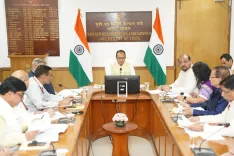
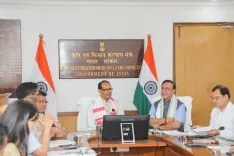
CM Bhupendra Patel Reviews Vadnagar Heritage Restoration Project
Synopsis
Gujarat Chief Minister Bhupendra Patel visited Vadnagar on 23 June 2026 to review the Heritage Precinct Development and Facade Restoration pilot under the Swarnim Jayanti Mukhyamantri Shahari Vikas Yojana. The project restores ancient buildings and streets using an 80:20 government-to-owner cost-sharing model, drawing strong local support.
Key Takeaways
CM Bhupendra Patel visited Vadnagar on 23 June 2026 to review the Heritage Precinct Development and Facade Restoration project.
The project is a pilot under the Swarnim Jayanti Mukhyamantri Shahari Vikas Yojana , Gujarat's urban development scheme.
Ancient buildings and streets in Vadnagar are being restored to their original grandeur, with a focus on preserving traditional carvings and construction techniques.
An 80:20 cost-sharing model between the state government and private property owners is being used, with enthusiastic local uptake reported.
The project aims to restore the entire heritage belt of Vadnagar and build community pride and ownership over the town's built heritage.
Completion of the pilot could pave the way for extending the model to other heritage towns across Gujarat .
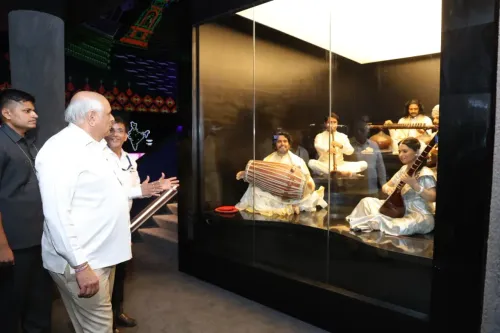
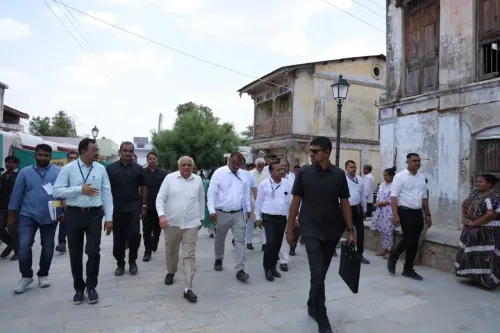
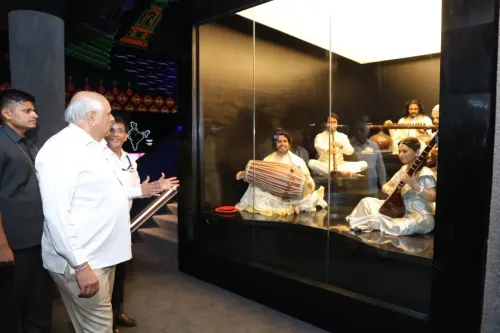
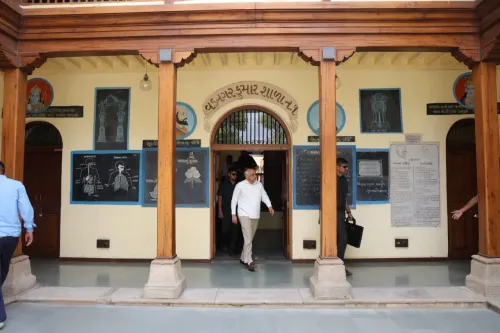
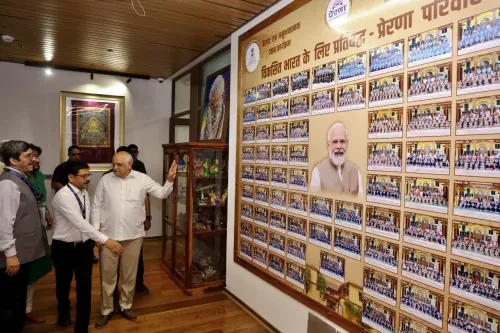
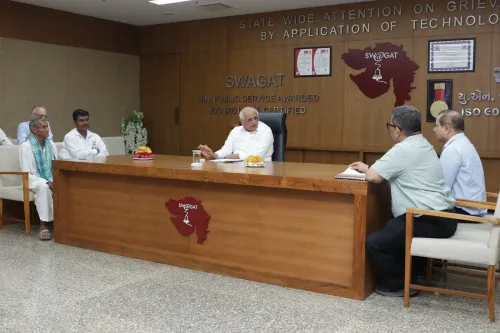
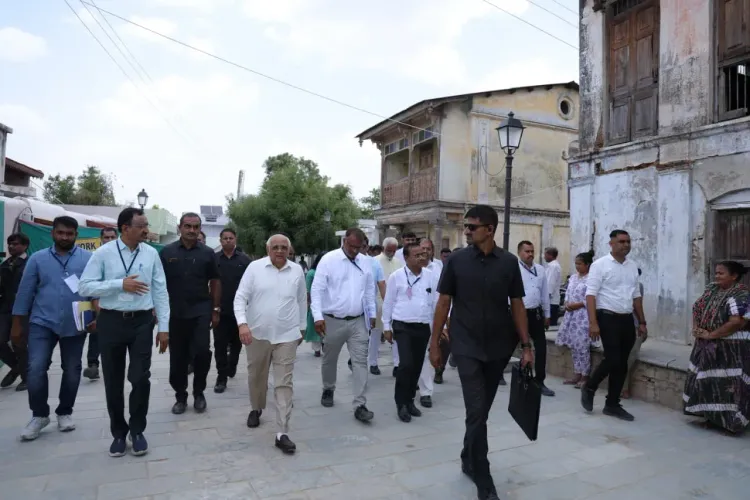
Gujarat Chief Minister Bhupendra Patel on Tuesday, 23 June 2026, visited Vadnagar in Mehsana district to review the progress of the 'Heritage Precinct Development and Facade Restoration' project, a pilot initiative aimed at preserving the ancient town's historic character.
Context
Posting on X, CM Patel shared that the project is being carried out under the Swarnim Jayanti Mukhyamantri Shahari Vikas Yojana (Swarnim Jayanti Mukhyamantri Shahari Vikas Yojana), the state government's urban development scheme. The initiative focuses on restoring Vadnagar's ancient buildings and streets to their original grandeur, with special emphasis on preserving intricate carvings and traditional construction techniques for future generations.
In his post, the Chief Minister noted: 'Ancient carvings and construction have been given special emphasis to be kept alive, so that coming generations can witness this magnificent heritage.' The project covers the entire heritage belt of Vadnagar, which holds deep archaeological significance as one of Gujarat's oldest continuously inhabited settlements.
Policy Backdrop
Vadnagar, located in Mehsana district, is among Gujarat's most historically significant towns, with archaeological layers dating back several millennia. Gujarat has previously run urban heritage restoration pilots in cities including Ahmedabad under earlier phases of state urban schemes from the mid-2010s onward, establishing a policy lineage for community-linked conservation models.
The current pilot at Vadnagar adopts an 80:20 cost-sharing model between the government and private property owners. CM Patel noted that this arrangement has drawn an enthusiastic response from local residents, fostering a sense of pride and ownership towards their inherited built environment.
Stakeholders and Impact
The project's primary beneficiaries are Vadnagar's residents and heritage property owners, who contribute 20 per cent of restoration costs while the state government funds the remaining 80 per cent. This cost-sharing structure is designed to ensure community participation and long-term stewardship of restored structures.
By reviving the town's historic streetscapes and building facades, the project is also expected to strengthen Vadnagar's position as a cultural and heritage tourism destination in northern Gujarat. Gujarat governments have consistently paired heritage conservation with urban renewal to boost tourism and preserve local identity in historic settlements.
What's Next
The completion of the Vadnagar pilot will be a key milestone to watch, as it could determine whether the 80:20 cost-sharing model is extended to other heritage towns across Gujarat. The state government's assessment of the pilot's outcomes under the Swarnim Jayanti Mukhyamantri Shahari Vikas Yojana is likely to shape future urban heritage policy in the state.
If the Vadnagar model is scaled, it could offer a replicable template for community-driven heritage preservation across India's smaller historic towns, blending public funding with local ownership to sustain built heritage beyond the life of individual government schemes.
Point of View
Embedding community co-ownership into the programme's architecture. If the Vadnagar pilot demonstrates measurable success, it could become a model that the BJP-led state government showcases as a template for heritage-linked urban renewal across India. The project also fits a broader pattern of Gujarat positioning itself as a leader in integrating heritage tourism with developmental governance.
NationPress
23 Jun 2026
Frequently Asked Questions
What is the Heritage Precinct Development and Facade Restoration project in Vadnagar?
It is a pilot project under the Swarnim Jayanti Mukhyamantri Shahari Vikas Yojana that restores ancient buildings, streets, and facades in Vadnagar, Mehsana district, Gujarat, preserving original carvings and construction techniques for future generations.
What is the 80:20 cost-sharing model in the Vadnagar heritage project?
Under this model, the Gujarat state government funds 80 per cent of the restoration costs while the private property owner contributes the remaining 20 per cent, encouraging community participation in heritage conservation.
Why is Vadnagar significant for heritage restoration?
Vadnagar is one of Gujarat's oldest and most archaeologically significant towns, with a rich built heritage of ancient buildings and streetscapes that the state government is working to preserve and restore.
What is the Swarnim Jayanti Mukhyamantri Shahari Vikas Yojana?
It is a Gujarat government urban development scheme under which pilot projects for city infrastructure improvement and heritage restoration, including the Vadnagar project, are being implemented.
Did CM Bhupendra Patel visit Vadnagar for the heritage project?
Yes, Gujarat Chief Minister Bhupendra Patel visited Vadnagar on 23 June 2026 to personally review the progress of the Heritage Precinct Development and Facade Restoration pilot project.