CM Bhupendra Patel Seeks Blessings at Rupal's Vardayini Mataji on Navami
Synopsis
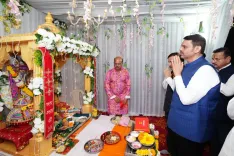
On Navratri's ninth night, Gujarat Chief Minister Bhupendra Patel worshipped at the Vardayini Mataji temple in Rupal, Gandhinagar, praying for citizens' happiness and prosperity ahead of the traditional Palli Yatra procession.
Key Takeaways
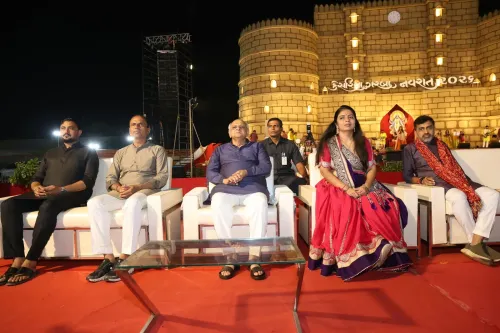
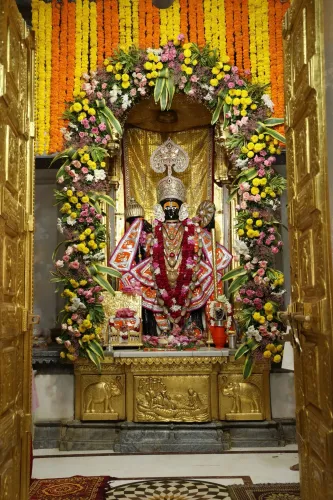
Gujarat Chief Minister Bhupendra Patel visited the Shri Vardayini Mataji temple in Rupal, Gandhinagar on the ninth night of Navratri.
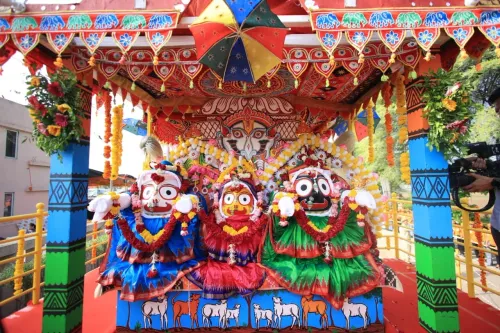
The visit was held ahead of the historic Palli Yatra , the traditional procession associated with the Rupal temple.
Patel prayed for the happiness, peace, prosperity, and health of all Gujarat citizens at the goddess's feet.
The Chief Minister also interacted warmly with devotees present at the temple during the bhakti-filled gathering.
Navratri holds special cultural significance in Gujarat, with Navami marking the climactic final night of the nine-day festival.
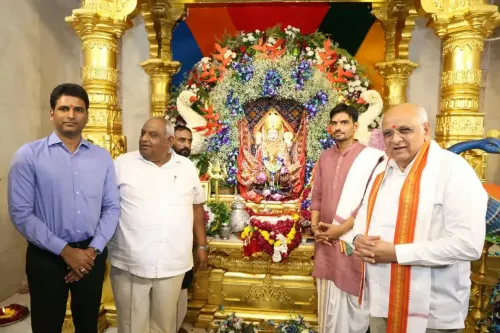
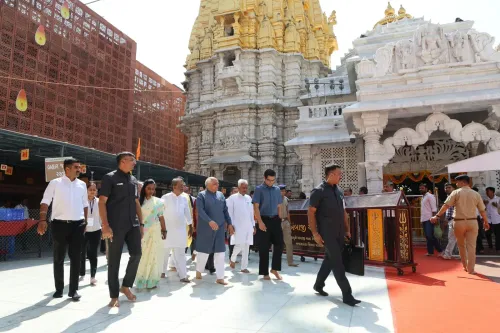
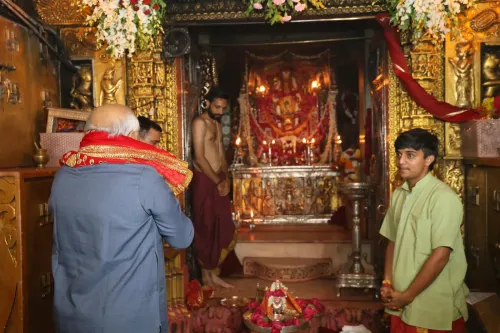
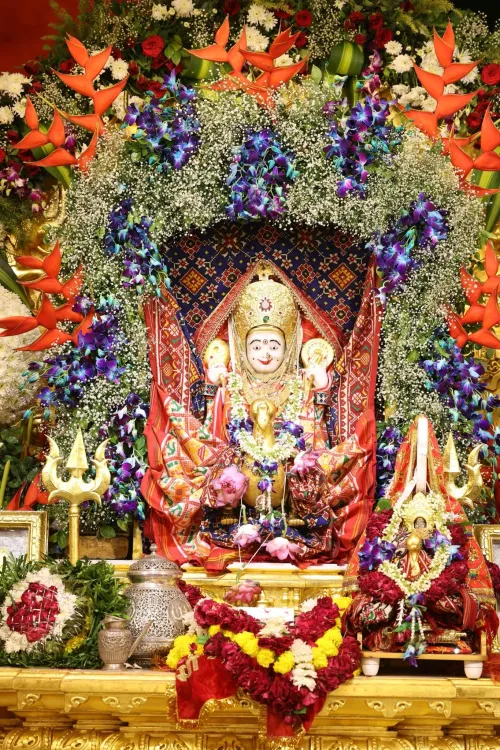
On the ninth and final night of Navratri, Gujarat Chief Minister Bhupendra Patel visited the revered Shri Vardayini Mataji temple in Rupal village, Gandhinagar district, bowing at the goddess's feet and praying for the happiness, peace, prosperity, and good health of every citizen of Gujarat.
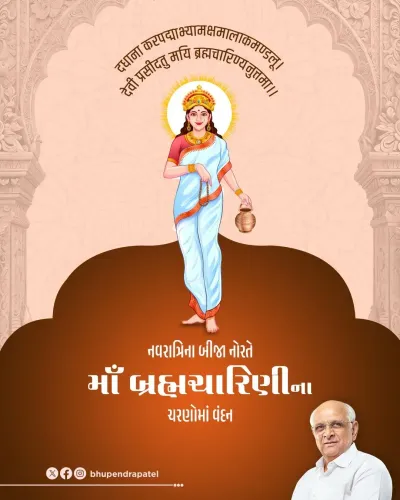
Posting on Monday, 19 October 2026, the Chief Minister shared that he was privileged — saubhagya prapt thayun (blessed with the fortune) — to perform darshan and pujan-archan (ritual worship) at Vardayini Mataji's shrine on this auspicious occasion. The visit came ahead of the historic and traditional Palli Yatra, the sacred procession tied to the Rupal temple, and Patel described the gathering as a warm opportunity to connect with the devotees present there.
Rupal's Vardayini Temple and the Palli Yatra Tradition
Rupal, a village in Gandhinagar district, is home to the Vardayini Mataji temple — a site of deep religious significance for communities across Gujarat. The Palli Yatra is a traditional procession held in association with the temple's Navratri culmination rituals, drawing large numbers of devotees who gather to mark the close of the nine-night festival.
Navratri holds singular cultural weight in Gujarat. Across the state, the festival is observed with temple visits, garba celebrations, and community gatherings — making the ninth night, Navami, a moment of peak religious fervour before immersion and procession rituals close the cycle.
A Prayer for Gujarat's Citizens
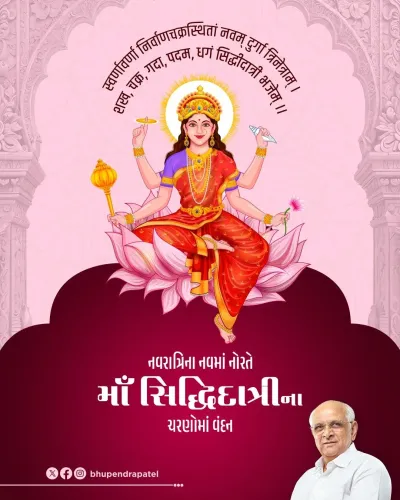
In his post, Patel offered mangal kamna — auspicious wishes — for saukh, shanti, samruddhi ane swasthya (happiness, peace, prosperity, and health) for the people of the state. He signed off with a devotional 'Jay Vardayini Maa' — a salutation to the goddess that resonates widely among her devotees.
The Chief Minister's interaction with the assembled faithful added a community dimension to what was equally a moment of personal devotion. Gujarat's leaders have long made Navratri pilgrimages a visible part of their public calendar, but the Rupal stop — tied specifically to the Palli Yatra — carries a distinctly traditional, locally rooted character.
Point of View
Which is arguably the state's most socially unifying festival. The Palli Yatra is a locally rooted tradition with deep community resonance, making Rupal a meaningful stop rather than a generic photo opportunity. For the BJP in Gujarat, where the temple circuit and grassroots devotion have long been part of its political identity, such visits reinforce the party's connection to cultural continuity. Whether this signals any new policy or administrative engagement beyond the devotional is not suggested by the post.
NationPress
20 Oct 2026
Frequently Asked Questions
Where is the Vardayini Mataji temple located?
The Vardayini Mataji temple is located in Rupal village , Gandhinagar district , Gujarat.
What is the Palli Yatra associated with Rupal?
The Palli Yatra is a historic and traditional procession held in connection with the Vardayini Mataji temple at Rupal, typically following the Navratri culmination rituals on Navami.
Why did Gujarat CM Bhupendra Patel visit Rupal on Navami 2026?
CM Bhupendra Patel visited the Vardayini Mataji temple on the ninth night of Navratri to perform darshan and worship, and to pray for the well-being of Gujarat's citizens ahead of the Palli Yatra.
What is Navami in Navratri?
Navami is the ninth and final night of Navratri, considered the most auspicious day of the festival, often marked by special prayers, processions, and temple visits.
What did CM Patel pray for at Vardayini Mataji temple?
CM Patel prayed for the happiness, peace, prosperity, and health — sukh, shanti, samruddhi ane swasthya — of all citizens of Gujarat.