Gujarat CM Bhupendra Patel offers prayers at Varadayini Mataji Temple ahead of Palli Yatra
Synopsis
Gujarat Chief Minister Bhupendra Patel marked Maha Navami by visiting the Shree Varadayini Mataji Temple in Rupal, Gandhinagar, ahead of the traditional Palli Yatra — one of the district's oldest Navratri processions. He also extended Vijayadashami greetings, calling for social harmony and inclusive development.
Key Takeaways
Gujarat CM Bhupendra Patel visited the Shree Varadayini Mataji Temple in Rupal, Gandhinagar on Monday evening .
The visit marked the ninth day of Navratri (Maha Navami) , ahead of the annual Palli Yatra .
Gandhinagar District Collector Ravindra Khatale and temple trustees welcomed the Chief Minister.
Patel extended Vijayadashami greetings, describing the festival as a symbol of truth over falsehood.
He called for greater social harmony, mutual respect, and brotherhood among citizens.
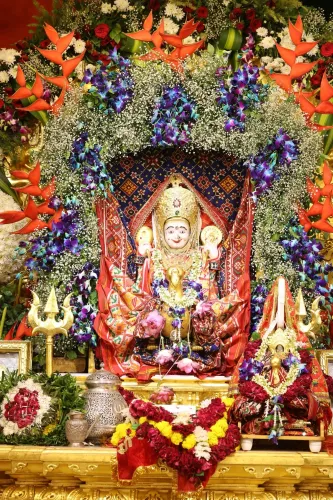
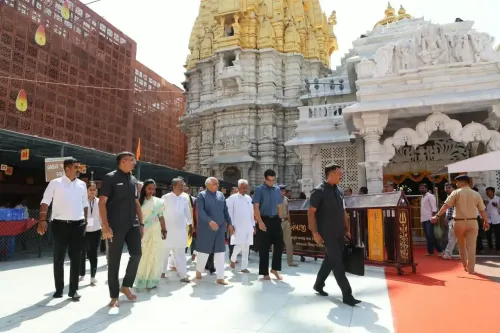
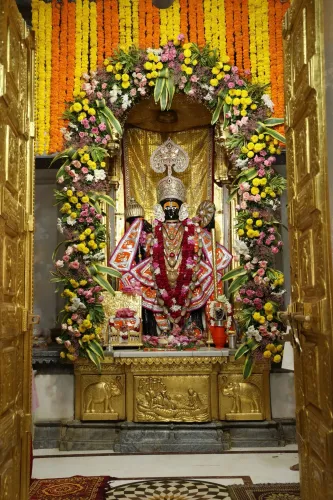
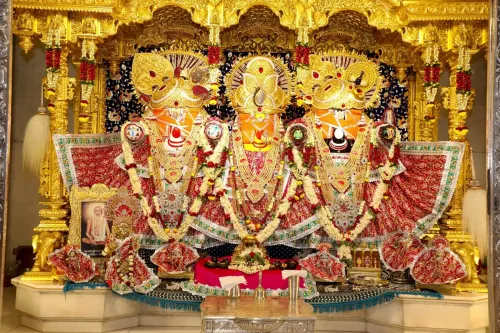
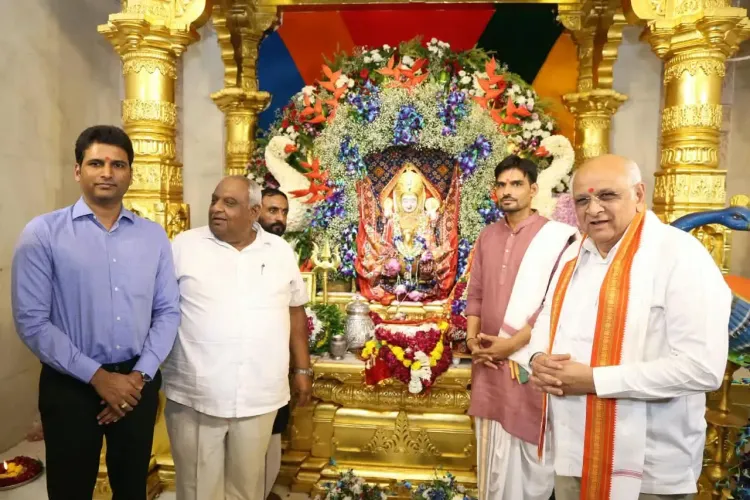
Gujarat Chief Minister Bhupendra Patel on Monday evening visited the Shree Varadayini Mataji Temple in Rupal village, Gandhinagar district, to offer prayers on the ninth day of Navratri — Maha Navami — ahead of the traditional Palli Yatra. The visit marked one of the most spiritually significant evenings in the Navratri calendar, with devotees gathering in large numbers for the annual procession.
The Visit and Temple Proceedings
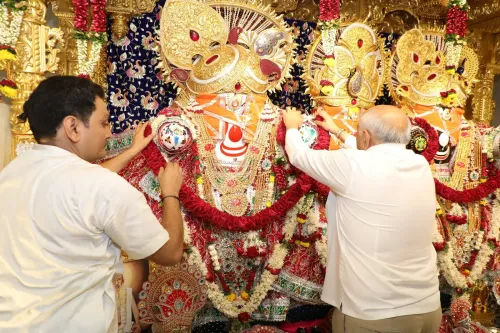
According to officials, Patel sought the blessings of the Goddess and prayed for the health, happiness, peace, and prosperity of the people of Gujarat. Gandhinagar District Collector Ravindra Khatale and the temple trustees formally welcomed the Chief Minister on the occasion. Patel also interacted with the gathered devotees and acknowledged their greetings.
About the Palli Yatra
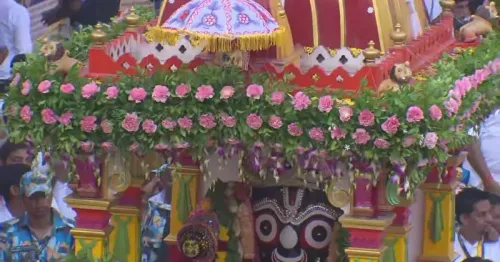
The annual Palli Yatra is a longstanding religious tradition that commences at the Varadayini Mataji Temple during Asho Navratri. The procession has been a defining feature of Navratri celebrations in Rupal for generations, drawing devotees from across the district to participate in the ritual. The Chief Minister offered prayers at the temple before the commencement of the yatra.
Vijayadashami Message
The visit came a day before Vijayadashami — also known as Dussehra — which marks the culmination of Navratri and symbolises the victory of good over evil. Extending his greetings on the occasion, Patel described the festival as 'a symbol of the victory of truth over falsehood and righteousness over unrighteousness.' He emphasised that 'the occasion represented the triumph of divine forces over evil and offered an opportunity for people to overcome the negativity and inner evils that reside within them.'
Call for Social Harmony
Patel used the occasion to call for greater social harmony, mutual respect, and brotherhood among citizens. He urged people to work collectively towards unity and inclusive development, framing Vijayadashami as an opportunity for collective renewal beyond its religious significance. The message was consistent with the broader theme of the Navratri season as a period of community participation across Gujarat.
Point of View
Which carries a mild political subtext in a state where communal consolidation remains an undercurrent. The Palli Yatra's cultural longevity in Rupal gives such visits electoral resonance beyond simple piety. As Gujarat heads into its political cycle, the Chief Minister's visible presence at grassroots religious events is as much about optics as devotion.
NationPress
20 Oct 2026
Frequently Asked Questions
Why did Gujarat CM Bhupendra Patel visit Rupal on Navratri?
Chief Minister Bhupendra Patel visited the Shree Varadayini Mataji Temple in Rupal, Gandhinagar, on Maha Navami — the ninth day of Navratri — to offer prayers ahead of the traditional Palli Yatra. The annual procession originates from this temple during Asho Navratri.
What is the Palli Yatra associated with Varadayini Mataji Temple?
The Palli Yatra is a longstanding religious procession that begins at the Shree Varadayini Mataji Temple in Rupal village, Gandhinagar district, during Asho Navratri. It is a defining tradition of Navratri celebrations in the region, drawing devotees from across the district.
What message did Bhupendra Patel give on Vijayadashami?
Patel described Vijayadashami as a symbol of the victory of truth over falsehood and righteousness over unrighteousness. He called on citizens to foster social harmony, mutual respect, and brotherhood, and urged collective effort towards unity and inclusive development.
Who accompanied or received Bhupendra Patel at the temple?
Gandhinagar District Collector Ravindra Khatale and the trustees of the Varadayini Mataji Temple welcomed Chief Minister Patel during his visit. He also interacted with the devotees gathered for the occasion.
When does Navratri culminate and what does it signify?
Navratri culminates in Vijayadashami, also known as Dussehra, which follows the tenth day after the festival begins. The occasion symbolises the victory of good over evil and is widely celebrated across Gujarat and the rest of India.