CM Bihar Reviews Vision 2030 Fisheries Priority Project
Synopsis
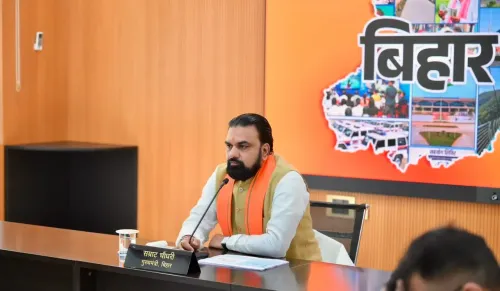
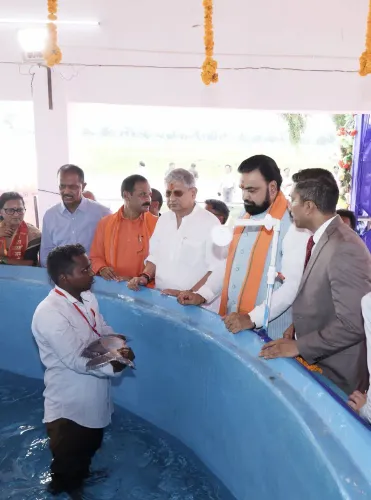
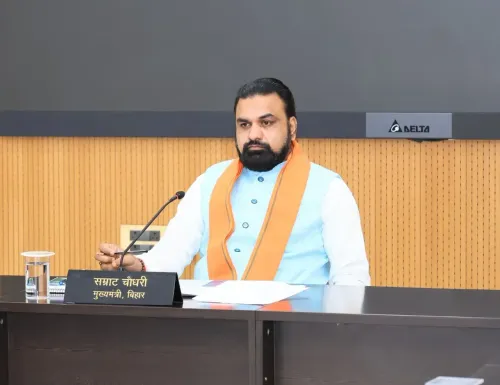
Chief Minister Samrat Choudhary reviewed the Vision 2030—Bihar Matsya Priority Project on 13 August 2026 at Patna, putting the state's decade-long fisheries development roadmap under direct executive scrutiny and signalling a push to unlock Bihar's vast riverine and wetland resources for fish farmers and fishing communities.
Key Takeaways
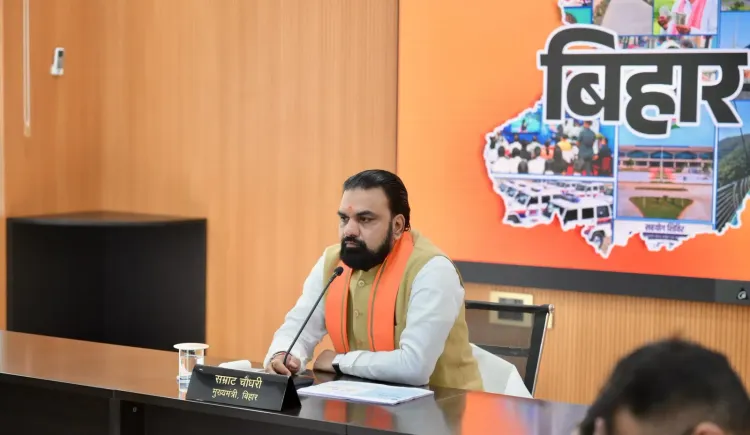
CM Samrat Choudhary chaired a review of the Vision 2030—Bihar Matsya Priority Project on 13 August 2026 .
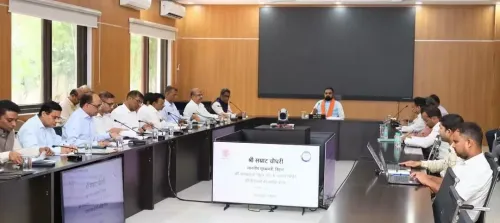
The review was held at the 'Sankalp' auditorium , Lok Sevak Avas, Patna .
The project frames fisheries as a priority sector in Bihar with a roadmap running to 2030 .
Core beneficiaries are fish farmers and traditional fishermen dependent on Bihar's rivers and wetlands.
Bihar's extensive Ganga river system provides a strong natural base for inland aquaculture development.
Funding allocations and rollout milestones in upcoming state budget or planning documents will be the next key indicator of progress.
Bihar's fisheries sector came under the Chief Minister's direct lens on Thursday, 13 August 2026, as Chief Minister Samrat Choudhary chaired a review of the 'Vision 2030—Bihar Matsya Priority Project' at the 'Sankalp' auditorium in Lok Sevak Avas, Patna. The session signals that the state is moving from blueprint to accountability on one of its most ambitious rural-economy bets.
What the Vision 2030 fisheries push is actually about
Bihar sits on a vast network of rivers, wetlands, and ox-bow lakes fed by the Ganga and its tributaries — a natural endowment that has long supported millions of fishing households but has historically underperformed its economic potential. The Vision 2030—Bihar Matsya Priority Project is the state's structured attempt to change that equation, framing fisheries as a priority sector with a decade-long roadmap rather than a residual welfare line in the budget.
The project aligns with the national thrust on inland aquaculture and fish production, part of a broader Central push to expand the blue economy beyond coastal states and bring landlocked, riverine states like Bihar into the frame.
Fish farmers and fishermen at the centre of the review
The core stakeholders of this initiative are fish farmers and traditional fishermen — communities that depend on Bihar's water bodies for income and subsistence. A high-level review by the Chief Minister himself, rather than a departmental committee, signals political ownership of delivery timelines. In Bihar's governance calendar, such reviews typically precede funding decisions in planning documents or the state budget cycle.
What the government chooses to prioritise next — rollout milestones, credit access for fish farmers, or infrastructure for cold-chain and processing — will determine whether Vision 2030 translates into measurable income gains for these communities by the end of the decade.
A pattern of sector-specific vision documents in Bihar
Bihar has used sector-specific vision frameworks before to signal intent and attract investment, particularly in agriculture-adjacent domains where the state's rural population is most concentrated. Fisheries, long treated as a secondary livelihood, is now being elevated to the same strategic plane — a shift that matters in a state where rural employment and food security are perennial political priorities.
The real test will come in the next budget session: whether the Vision 2030 fisheries project gets a dedicated outlay, and whether implementation agencies have the capacity to spend it on the ground.
Point of View
Elevating fisheries to a 'priority project' with a 2030 horizon reflects a broader state strategy of leveraging natural resource endowments to diversify rural income beyond traditional crop farming. The move also positions Bihar to tap Central government schemes on inland aquaculture, which have seen growing fund flows in recent years. Whether this review translates into on-ground outcomes depends on whether implementation capacity at the district level matches the ambition of the vision document.
NationPress
13 Aug 2026
Frequently Asked Questions
What is the Vision 2030 Bihar Matsya Priority Project?
The Vision 2030—Bihar Matsya Priority Project is a state government initiative that frames fisheries as a priority sector in Bihar, laying out a development roadmap through 2030 to boost fish production, support fish farmers, and leverage the state's rivers and wetlands for economic growth.
Who reviewed the Bihar fisheries project on 13 August 2026?
Chief Minister Samrat Choudhary reviewed the Vision 2030—Bihar Matsya Priority Project on 13 August 2026 at the Sankalp auditorium in Lok Sevak Avas, Patna.
Who benefits from Bihar's fisheries vision project?
The primary beneficiaries are fish farmers and traditional fishermen who depend on Bihar's extensive river systems, ox-bow lakes, and wetlands for their livelihoods.
Why is Bihar focusing on fisheries development?
Bihar has vast riverine and wetland resources, including the Ganga and its tributaries, that have historically underperformed their economic potential. Developing fisheries aligns with both state rural-employment priorities and national programmes to expand inland aquaculture.
What should we watch for next in Bihar's fisheries project?
The key indicators will be dedicated funding allocations in the state budget or planning documents, and the rollout of specific milestones under the Vision 2030 framework for the fisheries sector.