CM Samrat Choudhary visits four Durga Puja pandals in Patna on Maha Saptami
Synopsis
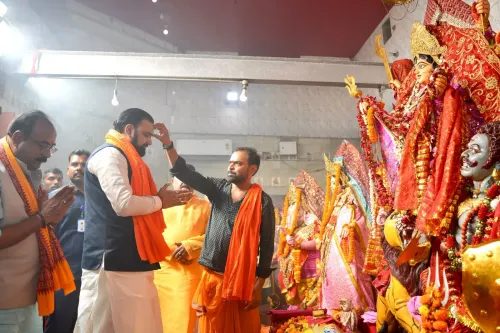
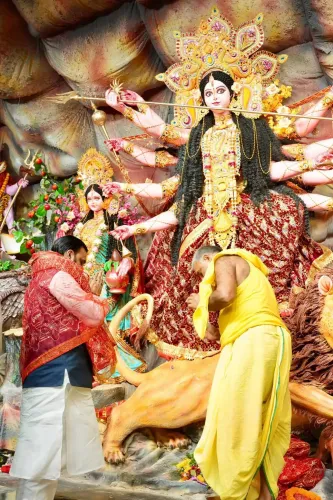
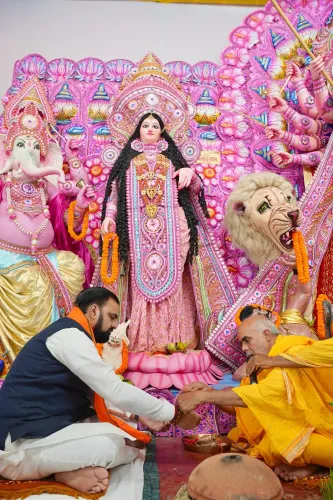
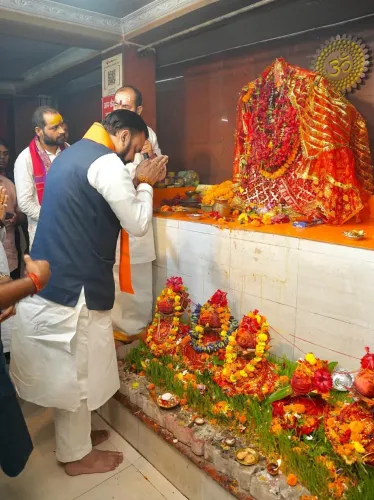
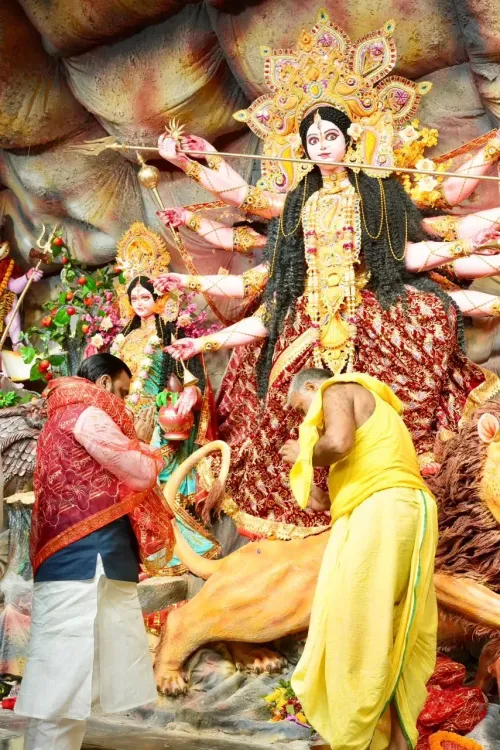
Bihar Chief Minister Samrat Choudhary visited four Durga Puja celebrations across Patna on Maha Saptami — at Khajpura, Raja Bazar, Shekhpura and Gardanibagh — joining devotees at one of the most spiritually significant evenings of the Navratri calendar.
Key Takeaways
Bihar CM Samrat Choudhary visited four Durga Puja events in Patna on 17 October 2026 , the occasion of Maha Saptami .
The sites visited were Shiv Mandir Khajpura , Raja Bazar Mahavir Sthan , Shekhpura Durga Ashram Mandir , and Gardanibagh Thakurbari .
Maha Saptami is the seventh and one of the most auspicious days of Navratri, when the goddess's eyes are ritually consecrated.
The visits span four distinct residential neighbourhoods, reflecting broad community outreach across the city.
State leaders in Bihar have a longstanding tradition of attending major Durga Puja celebrations in Patna's urban centres.
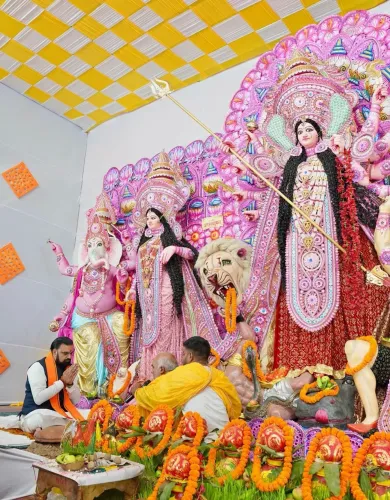
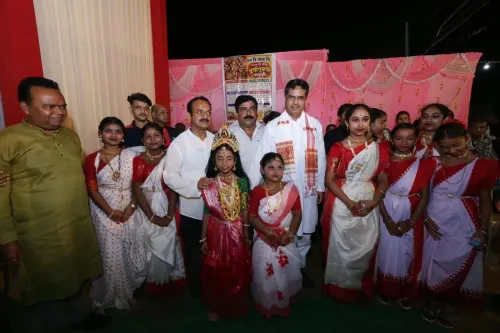
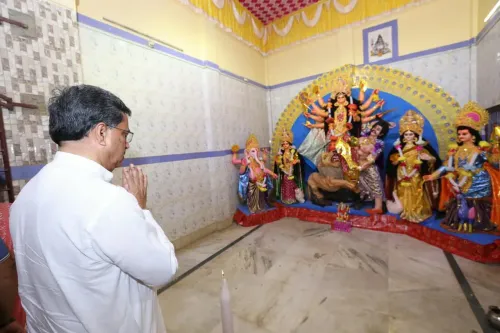
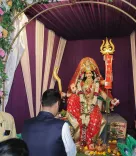
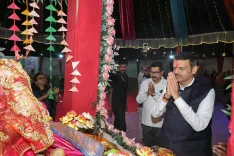
On the auspicious occasion of Maha Saptami, Bihar Chief Minister Samrat Choudhary stepped into the heart of Patna's festive streets on Saturday, 17 October 2026, visiting four prominent Durga Puja celebrations across the city — a public show of solidarity with one of Bihar's most cherished cultural traditions.
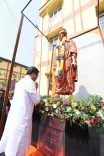
The Chief Minister's itinerary covered Shri Shri Durga Puja Mahotsav at the Shiv Mandir in Khajpura, Shri Durga Puja Samiti at Raja Bazar Mahavir Sthan, Shri Durga Ashram Mandir Puja Samiti in Shekhpura, and Shri Shri Durga Puja Samaroh at Gardanibagh Thakurbari — each a neighbourhood hub drawing thousands of devotees through the Navratri season.
Patna's Durga Puja geography: four neighbourhoods, one celebration
The four sites span Patna's diverse residential fabric — from the densely populated lanes of Raja Bazar to the quieter colony precincts of Shekhpura and Gardanibagh. Each puja committee organises elaborate pandals, cultural programmes, and community gatherings that run across the ten days of Navratri, peaking on Saptami, Ashtami, and Navami.
Maha Saptami — the seventh day of Navratri — is considered the moment when the goddess's eyes are ritually opened, making it among the most spiritually significant evenings of the festival calendar. A Chief Minister's visit on this particular day carries symbolic weight beyond routine optics.
A longstanding Bihar tradition of official participation
State leaders in Bihar have long made Durga Puja rounds a fixture of the autumn calendar, using the visits to engage directly with neighbourhood committees and the wider public in an informal setting. Urban centres like Patna have hosted Durga Puja celebrations for generations, and the puja committees themselves function as active civic bodies year-round. The Chief Minister's presence at community pandals underscores that continuity.
Point of View
But the choice of neighbourhoods matters — Khajpura, Raja Bazar, Shekhpura, and Gardanibagh together represent a cross-section of Patna's Hindu residential base. Visiting all four on Maha Saptami, the festival's emotional peak, maximises both visibility and the message of personal participation rather than mere official endorsement. For the BJP-led Bihar government, cultural festival engagement is also part of a broader political identity — aligning governance with Hindu festive life is both a social statement and an electoral calculus that has defined the party's outreach strategy across north Indian states.
NationPress
17 Oct 2026
Frequently Asked Questions
Which Durga Puja pandals did Bihar CM Samrat Choudhary visit in Patna?
He visited four pandals: Shri Shri Durga Puja Mahotsav at Shiv Mandir Khajpura, Shri Durga Puja Samiti at Raja Bazar Mahavir Sthan, Shri Durga Ashram Mandir Puja Samiti in Shekhpura, and Shri Shri Durga Puja Samaroh at Gardanibagh Thakurbari.
What is Maha Saptami and why is it significant?
Maha Saptami is the seventh day of the Navratri festival. It is considered one of the most sacred evenings because it marks the ritual consecration — or 'eye-opening' — of the goddess's idol in traditional Durga Puja celebrations.
When did CM Samrat Choudhary visit the Durga Puja events in Patna?
The visits took place on Saturday, 17 October 2026, on the occasion of Maha Saptami.
Does Bihar have a tradition of official participation in Durga Puja?
Yes. State leaders in Bihar have long attended major Durga Puja celebrations in Patna, using the occasion to engage with neighbourhood puja committees and the broader public during the Navratri season.
Where is Gardanibagh Thakurbari located?
Gardanibagh is a residential neighbourhood in Patna, Bihar. The Thakurbari there hosts one of the city's established Durga Puja celebrations.