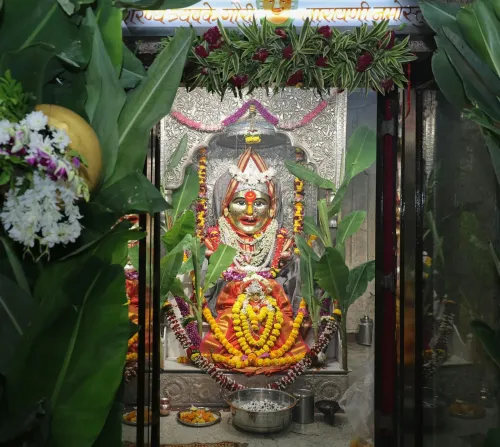
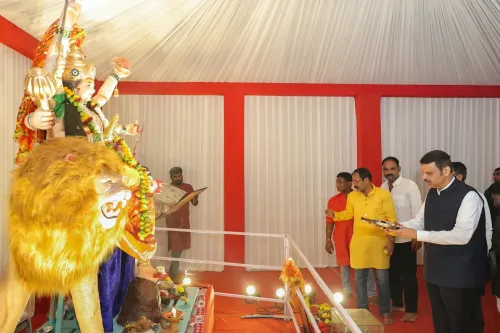
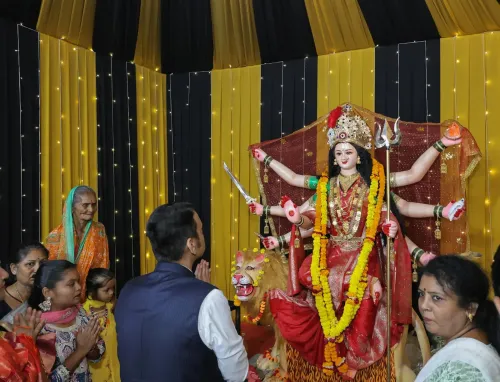
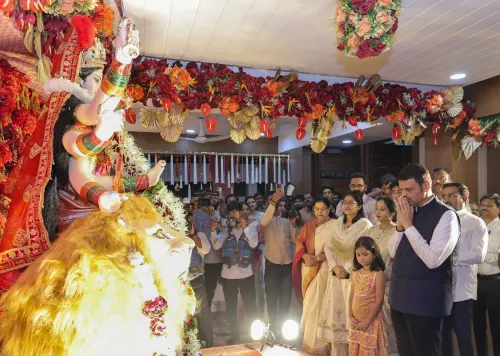
CM Fadnavis visits Sheetala Mata temple in Nagpur on Navratri
Synopsis
Maharashtra Chief Minister Devendra Fadnavis visited the Sheetala Mata temple in Nagpur on Navratri 2026, performing ritual worship and praying for the prosperity of Maharashtra's citizens, sharing the visit on X with a Sanskrit shloka invoking the goddess.
Key Takeaways
CM Devendra Fadnavis visited Sheetala Mata temple, Nagpur on 17 October 2026 during Navratri.
He performed puja-archana and prayed for the prosperity of Maharashtra's people .
The visit was shared on X with the Sanskrit shloka from the Devi Mahatmyam invoking Goddess Parvati.
Nagpur is both the winter capital of Maharashtra and Fadnavis's political home constituency in the Vidarbha region.
Public temple visits during Navratri are a routine cultural observance by senior political leaders across Maharashtra and India.
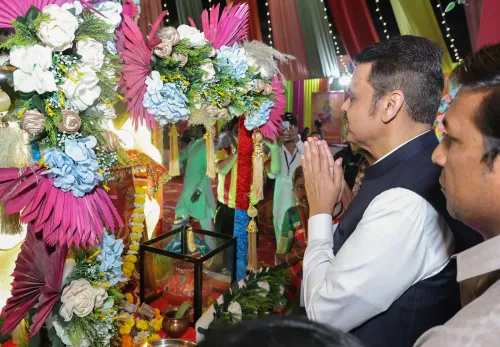
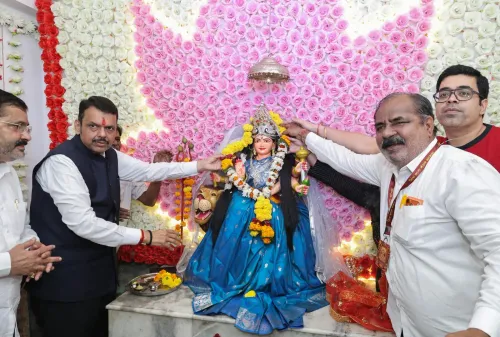
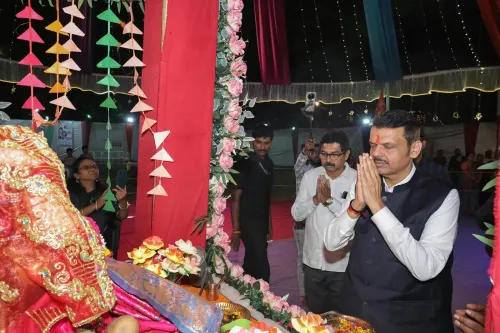
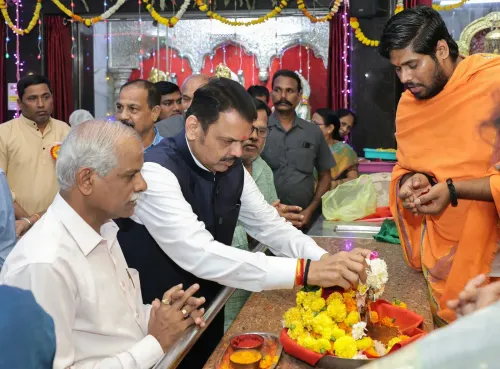
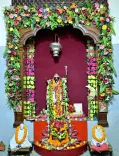
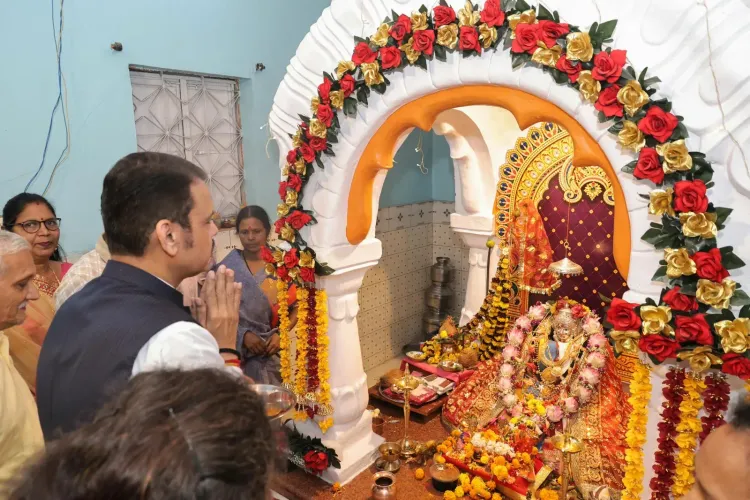
On the auspicious occasion of Navratri 2026, Maharashtra Chief Minister Devendra Fadnavis visited the Sheetala Mata temple in Nagpur on Saturday, 17 October 2026, offering prayers and seeking the goddess's blessings for the prosperity of Maharashtra's people.
Sharing the visit on X, Fadnavis opened with the Sanskrit shloka 'Sarva mangala maangalye, shive sarvaartha saadhike' — a verse from the Devi Mahatmyam invoking Goddess Parvati as the source of all auspiciousness and fulfilment. He noted that he performed puja-archana (ritual worship) at the temple and prayed for the well-being and prosperity of the state's citizens.
Nagpur's place as Fadnavis's political and spiritual home
Nagpur, the winter capital of Maharashtra and the heart of the Vidarbha region, holds deep personal and political significance for Fadnavis, who represents the city in the state legislature. The Sheetala Mata temple is among the revered shrines in the city, drawing devotees especially during the nine nights of Navratri, when worship of the goddess's various forms is central to Hindu tradition across Maharashtra.
A ritual that cuts across party lines in Indian politics
Public temple visits by chief ministers during Navratri are a well-established feature of Indian political life, observed across parties and states. For BJP leaders in particular, visible participation in major Hindu festivals forms part of a broader cultural engagement that resonates with their core electorate. Fadnavis has made similar observances in previous tenures as Chief Minister — the gesture is ceremonial in form but carries deliberate public symbolism.
As Navratri festivities continue across Maharashtra, the Chief Minister's prayer for collective samriddhi (prosperity) signals the state government's alignment with the cultural calendar — a quiet but consistent part of how elected leaders in India communicate with citizens beyond policy announcements.
Point of View
Particularly in BJP-governed states where Hindu observance is a visible part of the governance identity. For Fadnavis, Nagpur is not a neutral backdrop; it is his political home, making the visit doubly resonant. While the gesture carries no direct policy weight, it reinforces the BJP's broader strategy of weaving governance messaging into the cultural calendar — a soft-power tool that operates beneath the threshold of formal announcements but consistently above the level of mere personal piety.
NationPress
18 Oct 2026
Frequently Asked Questions
Which temple did CM Devendra Fadnavis visit on Navratri 2026?
CM Devendra Fadnavis visited the Sheetala Mata temple in Nagpur on 17 October 2026 during the Navratri festival.
What did Fadnavis pray for at the Navratri temple visit?
Fadnavis performed ritual worship and prayed for the prosperity and well-being of Maharashtra's citizens .
What is the Sanskrit shloka Fadnavis posted with his Navratri message?
He posted the shloka 'Sarva mangala maangalye, shive sarvaartha saadhike' from the Devi Mahatmyam , invoking Goddess Parvati as the source of all auspiciousness.
Why is Nagpur significant for Devendra Fadnavis?
Nagpur is the winter capital of Maharashtra and Fadnavis's home constituency in the Vidarbha region, making it his primary political and personal base.
What is Navratri and why do politicians visit temples during the festival?
Navratri is a nine-night Hindu festival dedicated to Goddess Durga and her forms. Senior politicians across parties in India routinely visit temples during Navratri as a form of cultural and public engagement with their constituents.