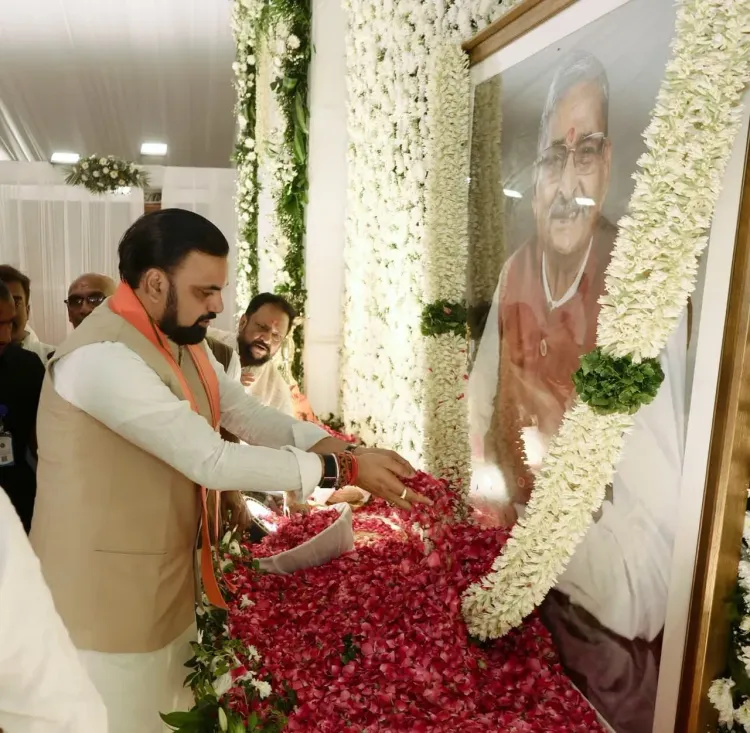
CM Samrat Choudhary pays floral tribute to R. K. Sinha
Synopsis
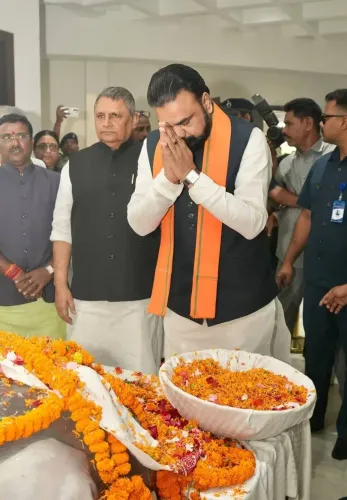
Bihar Chief Minister Samrat Choudhary attended the shraddh ceremony of Jan Sangh and BJP senior leader and former Rajya Sabha MP R. K. Sinha on 12 November 2026, offering floral tributes and paying heartfelt respects to the departed leader.
Key Takeaways
Bihar Chief Minister Samrat Choudhary attended the shraddh ceremony of R.
Sinha on 12 November 2026 .
Sinha was a senior leader of both the Jan Sangh and the BJP , and a former Rajya Sabha MP .
CM Choudhary offered floral tributes on Sinha's portrait and paid heartfelt respects at the ceremony.
The gesture reflects the BJP's tradition of honouring its senior leaders through formal memorial rites.
Sinha's career bridged the original Jan Sangh movement and the modern BJP , representing the party's ideological continuity.
A garland placed on a portrait, a moment of silence, a continuity honoured — Bihar Chief Minister Samrat Choudhary attended the shraddh ceremony of senior Jan Sangh and BJP leader and former Rajya Sabha MP R. K. Sinha on Thursday, 12 November 2026, offering floral tributes and paying his respects to the departed leader.
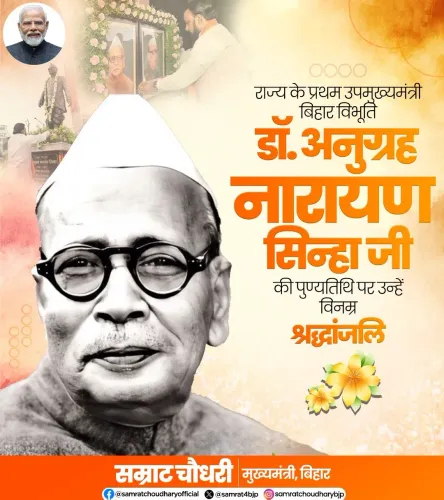
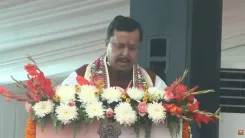
Sharing his presence at the ceremony on X, CM Choudhary wrote that he 'attended the shraddh programme of revered R. K. Sinha ji, senior leader of Jan Sangh and BJP and former Rajya Sabha MP, offered flowers on his portrait and paid heartfelt tribute.' The post, accompanied by photographs from the event, reflected the solemnity of the occasion.
A leader who bridged the Jan Sangh era and modern BJP
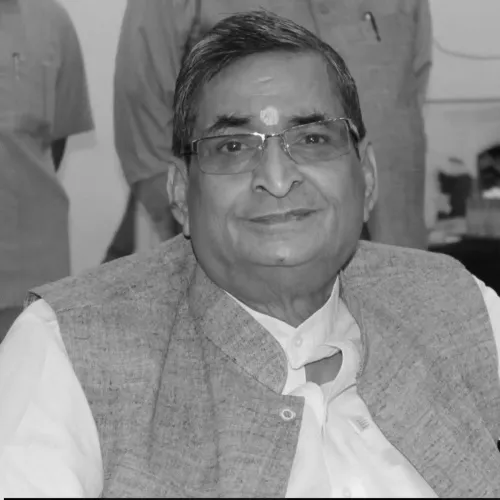
R. K. Sinha was a senior figure whose political journey spanned the ideological roots of the Jan Sangh — the predecessor organisation from which the BJP emerged — through to his tenure as a Rajya Sabha MP. His career represented the living thread between the original nationalist political movement and the party that governs India today.
Indian political culture places deep importance on shraddh ceremonies — rites of remembrance observed for the departed — and the attendance of senior leaders at such events is a meaningful signal of institutional respect. For BJP leaders in Bihar, honouring figures like Sinha is also an act of affirming the party's ideological lineage.
Bihar BJP's gesture of remembrance
CM Choudhary's presence underscores a broader pattern within the BJP: senior leaders making a point to attend memorial rites for party elders, reinforcing cohesion between generations of the organisation. Bihar, a politically consequential state, has long been a stronghold where such gestures carry weight beyond mere ceremony — they speak to the party's sense of institutional memory and gratitude toward those who built its foundations.
The photographs shared by the Chief Minister showed the solemnity of the occasion — a portrait, flowers, and the quiet dignity that such moments demand.
When a party pauses to remember its builders, it is also reminding itself — and the public — of where it came from.
Point of View
Where political symbolism is acutely felt, such gestures help the ruling party project organisational depth and continuity. It is also a signal to party workers that loyalty and service across generations are valued and remembered. These moments, though ceremonial, quietly shore up the internal cohesion that competitive state politics demands.
NationPress
12 Nov 2026
Frequently Asked Questions
Who is R. K. Sinha and why is he significant to the BJP?
R. K. Sinha was a senior leader associated with the Jan Sangh and the BJP, and served as a Rajya Sabha MP. He is significant as a figure who represented the party's ideological lineage from the Jan Sangh era to the modern BJP.
What is a shraddh ceremony?
A shraddh ceremony is a Hindu rite of remembrance and homage performed for a departed person. It is a solemn occasion on which family members, friends, and associates pay their respects.
Why did Bihar CM Samrat Choudhary attend R. K. Sinha's shraddh?
CM Samrat Choudhary attended to pay his personal and political respects to a senior BJP and Jan Sangh leader, reflecting the party's tradition of honouring its elders through formal memorial rites.
What did Samrat Choudhary do at the shraddh ceremony?
He offered flowers on R. K. Sinha's portrait and paid heartfelt tribute, as he described in his post on X on 12 November 2026.
What is the connection between Jan Sangh and BJP?
The Jan Sangh was a Hindu nationalist political party founded in 1951 that served as a predecessor organisation. It was dissolved and its members went on to form the BJP in 1980, making Jan Sangh veterans foundational figures in BJP history.