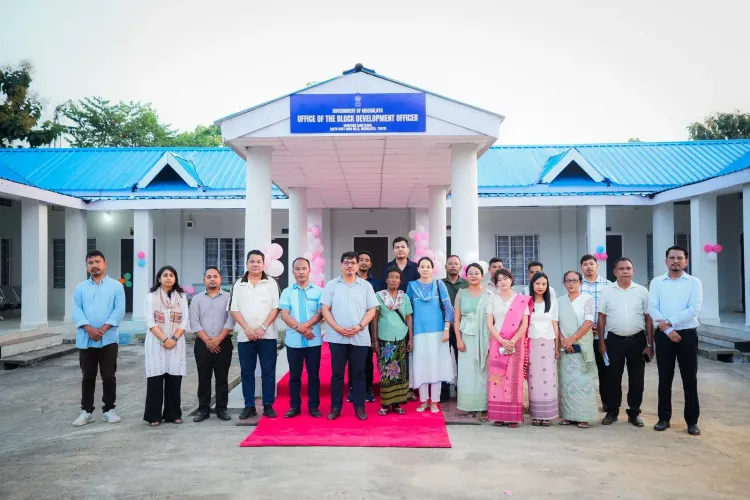
CM Conrad Sangma Inaugurates Rerapara Block Office
Synopsis
Meghalaya CM Conrad Sangma inaugurated the new Rerapara C&RD Block Office in South West Garo Hills on October 20, 2026, highlighting a close to ₹200 Crore statewide investment in block office upgrades. The Aking Nokma of Rerapara donated the land, blending customary Garo governance with modern public infrastructure.
Key Takeaways
Inauguration date: October 20, 2026 — Meghalaya CM Conrad Sangma opened the new Rerapara C&RD Block Office in South West Garo Hills .
Statewide investment: The state government is investing close to ₹200 Crore to upgrade block offices across Meghalaya.
Land donation: The Aking Nokma of Rerapara — a traditional Garo village landowner — donated the land for the new office.
Governance goal: Block offices serve as the primary interface between citizens and government schemes, making their quality critical to last-mile delivery.
CM's directive: Sangma urged officers to serve 'with honesty, compassion and dedication' and to always prioritise people.
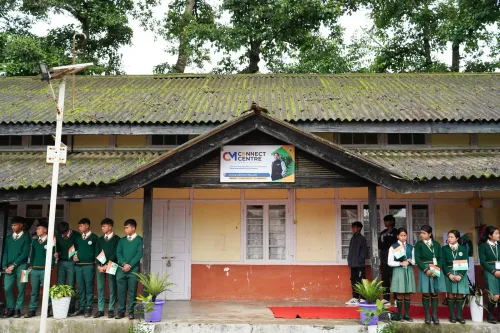
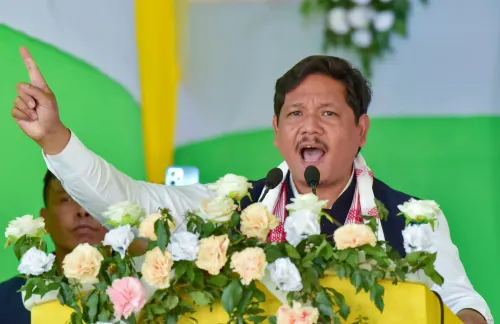
A new government office at the last-mile matters more than most people realise — it is where a widow files for her pension, where a farmer registers a land claim, where a child's birth certificate gets issued. Meghalaya Chief Minister Conrad Sangma drove that point home on Tuesday, October 20, 2026, as he inaugurated the new Rerapara Community and Rural Development (C&RD) Block Office in South West Garo Hills, marking another step in what his administration describes as a statewide overhaul of block-level infrastructure.
₹200 Crore push to rebuild Meghalaya's rural nerve centres
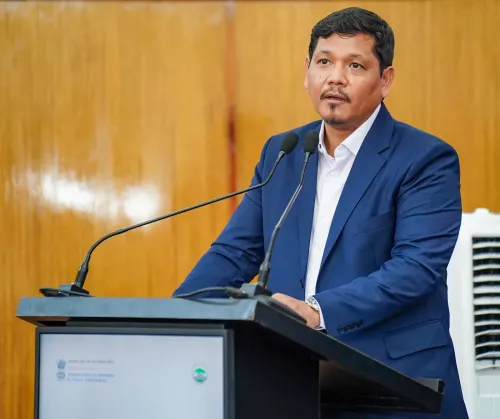
Speaking at the inauguration, Chief Minister Sangma announced that the state government is investing close to ₹200 Crore to upgrade block offices across Meghalaya. Block offices — the lowest formal tier of the state's administrative machinery — are the first point of contact between citizens and government schemes. Crumbling infrastructure at that level has long translated into friction, delay, and disillusionment. The investment signals an intent to fix the plumbing before the policy runs through it.
Sangma urged officers and staff at the new facility to 'commit to serve with honesty, compassion and dedication and to always keep people first' — a message calibrated as much for the watching public as for the bureaucrats in the room.
Aking Nokma's land gift and customary governance at work
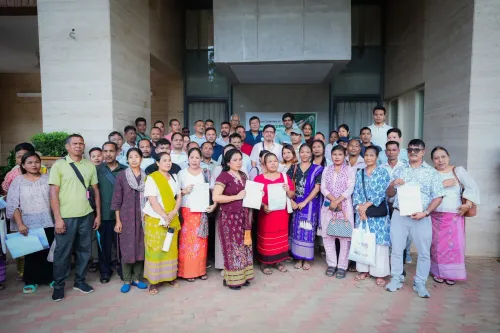
The inauguration carried a detail worth pausing on: the land for the new office was donated by the Aking Nokma of Rerapara. In Garo Hills tradition, the Aking Nokma (village landowner or chief) holds custodial authority over community land — a customary institution that predates the modern state. That such a traditional authority stepped forward to gift land for a government office reflects the kind of organic integration between customary governance and administrative modernisation that the Northeast often gets right quietly, without fanfare.
Chief Minister Sangma offered 'sincere thanks' to the Aking Nokma, publicly acknowledging the gesture in language that respects the weight of customary practice in the Garo Hills region, home to a significant tribal population.
Last-mile delivery and the Northeast's administrative frontier
South West Garo Hills, one of Meghalaya's more geographically dispersed districts, has historically faced the sharp edge of infrastructure deficits. Periodic upgrades to rural block offices have been part of a broader pattern across Northeast states — an acknowledgment that governance cannot leapfrog physical infrastructure. Better-equipped offices mean officers are more likely to stay posted, records are more likely to be maintained, and citizens are less likely to be turned away. The gap between a scheme announced in Shillong and a benefit delivered in a remote Garo Hills village is often bridged — or broken — at exactly this level.
Point of View
Visible brick-and-mortar delivery in tribal districts is both a governance imperative and a political dividend in a state where community trust is earned locally. The Aking Nokma's land gift is a subtle but significant signal — it suggests traditional institutions in Garo Hills see value in collaborating with, rather than resisting, the formal state. Whether the ₹200 Crore investment translates into measurable improvements in service delivery timelines will determine how much political capital the initiative actually generates.
NationPress
20 Oct 2026
Frequently Asked Questions
What is the Rerapara C&RD Block Office?
The Rerapara Community and Rural Development (C&RD) Block Office is a government administrative facility in South West Garo Hills , Meghalaya, inaugurated by Chief Minister Conrad Sangma on October 20, 2026 . Block offices are the primary point of contact for citizens seeking government services and scheme benefits at the grassroots level.
How much is Meghalaya investing in block office upgrades?
Meghalaya Chief Minister Conrad Sangma stated the state is investing close to ₹200 Crore to upgrade block offices across the state, aiming to improve infrastructure for officers and staff to deliver services more efficiently.
Who is the Aking Nokma and why did they donate land?
The Aking Nokma is a traditional Garo title for the village landowner or chief who holds custodial authority over community land. The Aking Nokma of Rerapara donated land for the new block office — a practice reflecting the integration of customary Garo governance with modern state administration.
Where is South West Garo Hills district located?
South West Garo Hills is a district in the Garo Hills region of Meghalaya , in Northeast India. It has a significant tribal population and is one of the state's more geographically dispersed districts.
Why are block offices important for governance in Meghalaya?
Block offices are the lowest formal tier of state administration and the first point of contact between citizens and government schemes. In tribal and rural areas like those in Meghalaya , their quality directly determines whether welfare benefits, land records, and public services actually reach people on the ground.