CM Dhami Pushes Uttarakhand as Top Water Sports Hub
Synopsis
Uttarakhand CM Pushkar Singh Dhami has declared the state is rapidly becoming a top water sports and adventure sports destination, with Rishikesh and Tehri as established hubs and new sites being identified across the state to broaden tourism and employment opportunities.
Key Takeaways
CM Pushkar Singh Dhami on 13 June 2026 publicly positioned Uttarakhand as an emerging national leader in water sports and adventure tourism.
Rishikesh and Tehri are the two anchor destinations currently being developed for water sports potential.
The state government is actively identifying new water sports sites in districts beyond these two established hubs.
The 2018 Uttarakhand Tourism Policy had already designated water sports at Rishikesh and Tehri Lake as priority investment areas.
Expansion of adventure tourism is expected to generate seasonal employment for local youth and support hospitality businesses across hill districts.
The push aligns with central government programmes classifying adventure tourism as a niche segment eligible for promotional and skilling support.
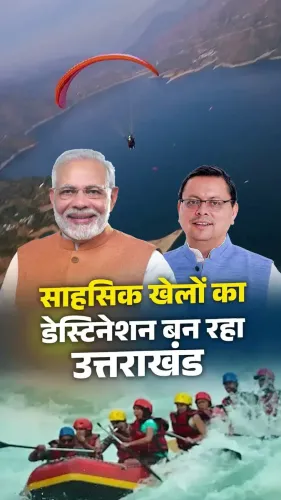
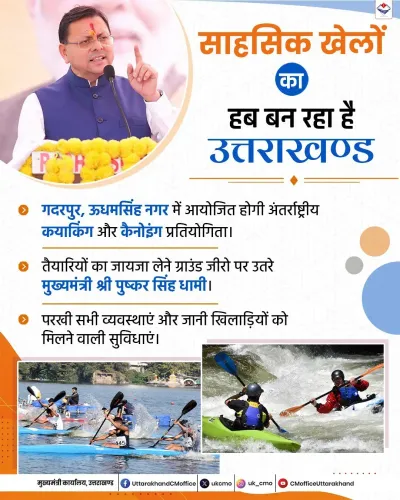
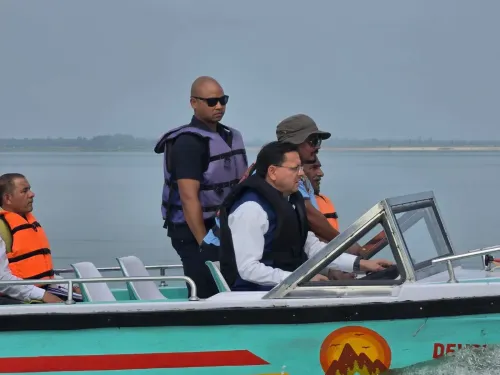
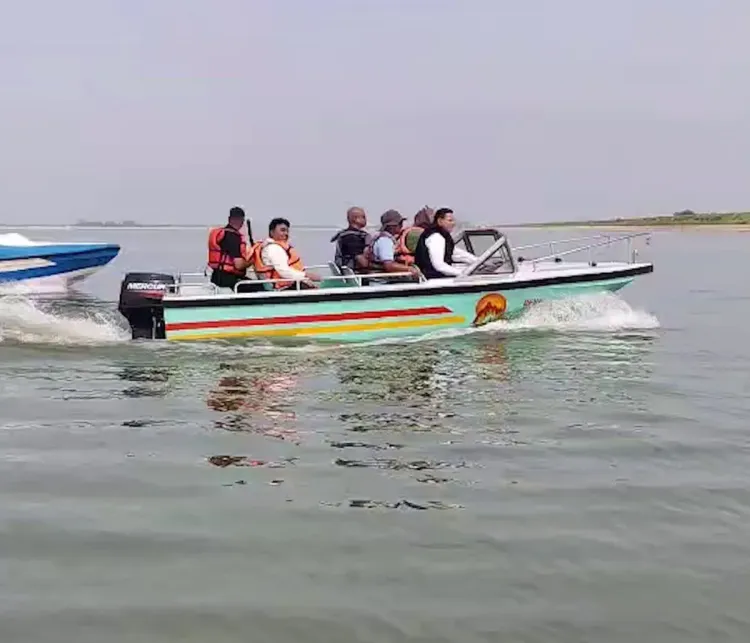
Uttarakhand Chief Minister Pushkar Singh Dhami on Saturday, 13 June 2026, highlighted the state's rapid emergence as a premier water sports and adventure sports destination, stating that opportunities in Rishikesh and Tehri are being actively developed while new sites across the state are being identified and promoted.
In a post on X, CM Dhami wrote: 'उत्तराखंड आज तेजी से देश के प्रमुख वॉटर स्पोर्ट्स एवं एडवेंचर स्पोर्ट्स डेस्टिनेशन के रूप में उभर रहा है' — 'Uttarakhand is today rapidly emerging as one of the country's leading water sports and adventure sports destinations.' He added that alongside developing the 'immense potential' of water sports in Rishikesh and Tehri, opportunities in other regions of the state are also being identified and encouraged.
Context
Rishikesh, situated on the banks of the Ganga in the foothills of the Himalayas, has for decades been the anchor of Uttarakhand's adventure tourism economy — best known for white-water rafting and kayaking that draw both domestic and international visitors. Tehri, home to one of Asia's largest reservoirs created by the Tehri Dam, has over the past decade been developed for activities including boating, jet-skiing and sailing, transforming a once-displaced district into a water sports venue.
CM Dhami's statement signals a deliberate push to move beyond these two established nodes and spread adventure tourism infrastructure to other hill districts of the state.
Policy Backdrop
Since Uttarakhand achieved statehood in 2000, successive state governments have framed tourism policies centred on adventure and eco-tourism as engines of employment in hill communities. The 2018 Uttarakhand Tourism Policy explicitly listed water sports at Rishikesh and Tehri Lake among priority products earmarked for infrastructure investment and private sector participation.
These state-level efforts align with central government programmes that classify adventure tourism as a niche segment eligible for promotional support and skilling assistance. Uttarakhand's approach mirrors similar strategies adopted by other Himalayan states seeking to diversify tourism revenue beyond religious pilgrimage circuits.
Stakeholders and Impact
The primary beneficiaries of an expanded water sports economy are adventure tourism operators, local youth employed as guides and instructors, and hospitality businesses in riverside and lakeside zones. Seasonal employment in equipment services and guiding has historically been a key livelihood avenue in districts with limited agricultural potential.
Identifying new sites beyond Rishikesh and Tehri could distribute economic benefits more evenly across Uttarakhand's 13 districts, particularly in areas that have seen youth out-migration due to limited local employment.
What's Next
Observers will watch for concrete follow-through in the form of state budget allocations, infrastructure tenders, or memoranda of understanding with national adventure sports federations for training and safety certification. The identification of new water sports sites, as referenced by CM Dhami, would be the next measurable step in translating the policy intent into on-ground development.
If the state succeeds in building a credible multi-site adventure sports network, Uttarakhand could position itself as a year-round destination rather than one dependent on the narrow pilgrimage and summer-trekking season — a structural shift that would have lasting implications for the state's tourism economy.
Point of View
But also a structurally sound economic argument. The emphasis on identifying sites 'beyond Rishikesh and Tehri' is significant: it suggests the government is aware that geographic concentration of tourism benefits has been a long-standing grievance in interior districts. Whether this translates into funded infrastructure or remains aspirational messaging will be the real test. The broader Himalayan states are watching, as Uttarakhand's success or failure in scaling adventure tourism will inform similar bids by Himachal Pradesh and the northeastern states.
NationPress
16 Sept 2026
Frequently Asked Questions
Which are the main water sports destinations in Uttarakhand?
Rishikesh and Tehri are the two primary water sports destinations in Uttarakhand. Rishikesh is known for white-water rafting and kayaking on the Ganga, while Tehri hosts boating, jet-skiing and sailing on the reservoir created by the Tehri Dam.
What did CM Dhami say about water sports in Uttarakhand?
CM Pushkar Singh Dhami stated on 13 June 2026 that Uttarakhand is rapidly emerging as a leading water sports and adventure sports destination, with development ongoing in Rishikesh and Tehri and new sites being identified across the state.
What is the Uttarakhand government doing to promote adventure tourism?
The state government is developing water sports infrastructure in Rishikesh and Tehri, identifying new sites in other districts, and aligning with central government programmes that support adventure tourism through promotion and skilling assistance.
How does Tehri Lake support water sports in Uttarakhand?
The Tehri Dam reservoir, one of Asia's largest, provides a large, calm body of water suited for boating, jet-skiing and sailing. The lake has been developed as a water sports venue over the past decade, diversifying the district's economy.
Why is adventure tourism important for Uttarakhand's economy?
Adventure tourism generates seasonal employment for local youth as guides and instructors, supports hospitality businesses, and helps diversify the state's economy beyond religious pilgrimage — reducing dependence on a narrow tourist season.