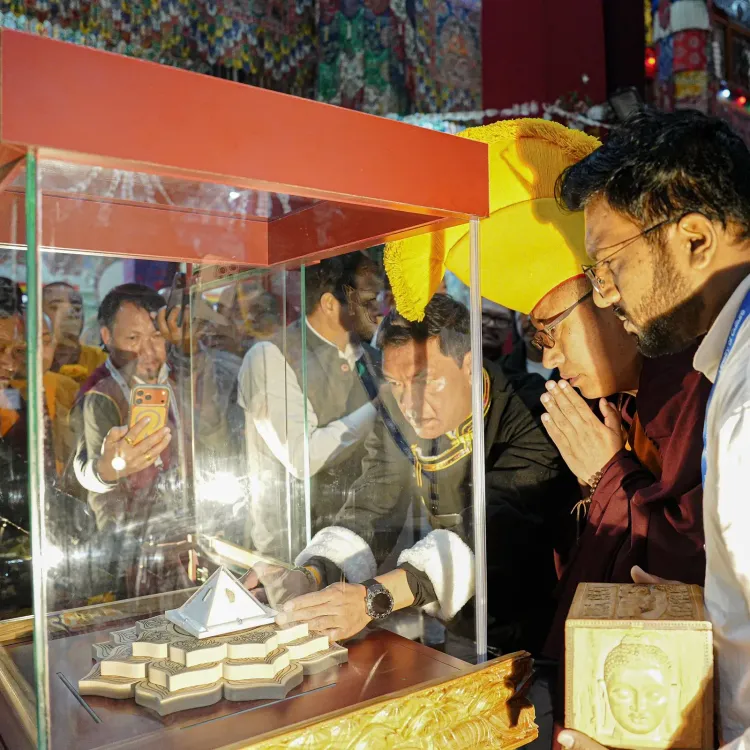
CM Pema Khandu witnesses Buddhist rituals at Tawang Monastery
Synopsis
Arunachal Pradesh Chief Minister Pema Khandu attended sacred preparatory rituals — Thrisol, Ramne, and Mandal Tensung — at Tawang Monastery on 31 October 2026, marking the start of a seven-day Sacred Exposition of the Holy Relics of Bhagwan Buddha.
Key Takeaways
Pema Khandu witnessed three preparatory Buddhist rituals at Gaden Namgyal Lhatse (Tawang Monastery) on 31 October 2026 .
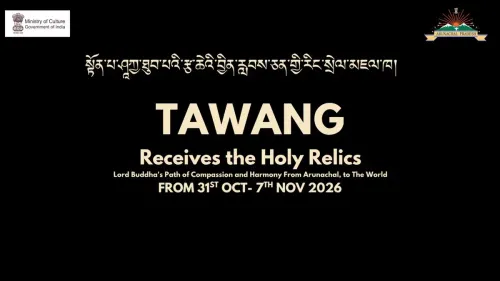
The Sacred Exposition of the Holy Relics of Bhagwan Buddha runs from 31 October to 7 November 2026 at the monastery.
Rituals observed included Thrisol (purification), Ramne (warding off evil), and Mandal Tensung (prayers for the relics' preservation).
Tawang Monastery is a major 17th-century Gelugpa Buddhist monastery in Arunachal Pradesh , near India's borders with China and Bhutan.
The event aligns with India's Swadesh Darshan Buddhist Circuit , which has supported heritage development at Tawang since 2016 .
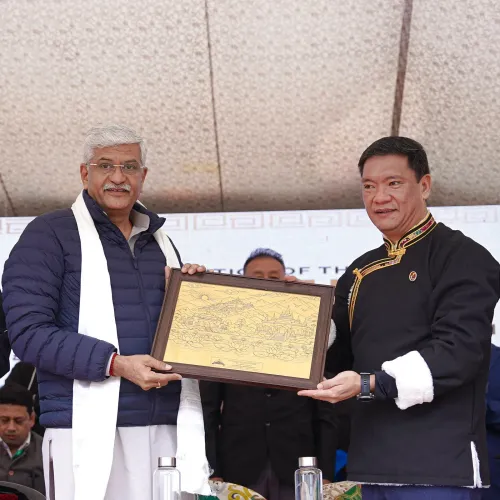
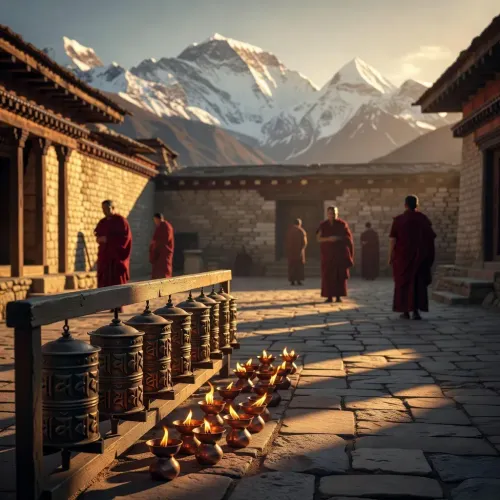
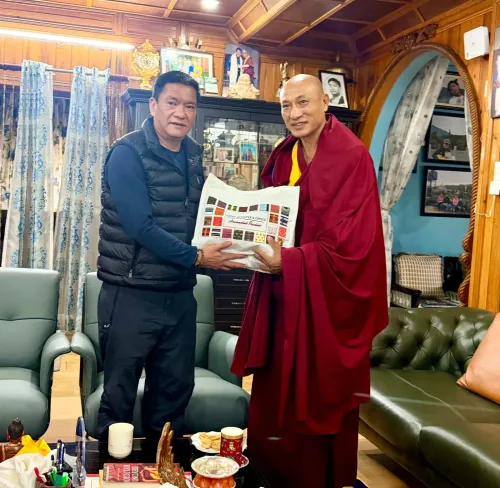
At the ancient stone walls of Gaden Namgyal Lhatse — better known as Tawang Monastery — Arunachal Pradesh Chief Minister Pema Khandu on Saturday, 31 October 2026 witnessed a series of sacred preparatory rituals marking the opening of the Sacred Exposition of the Holy Relics of Bhagwan Buddha, a seven-day event running through 7 November 2026.
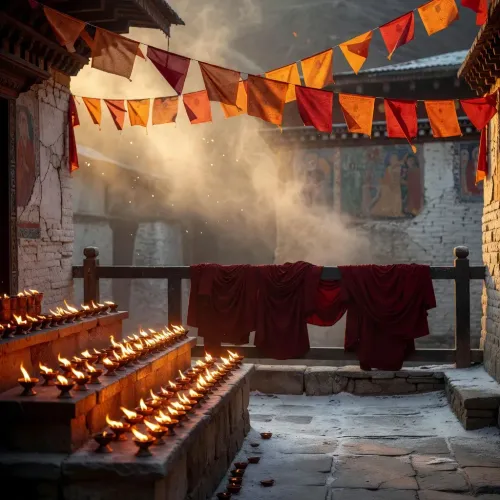
The Chief Minister described three distinct rituals performed ahead of the exposition. Thrisol, he noted, is associated with the purification of the sacred remains. Ramne is performed to ward off evil influences and negative forces. And Mandal Tensung invokes prayers and blessings for the well-being and auspicious preservation of the relics. Khandu signed off with a simple, resonant Namo Buddhaya — 'I bow to the Buddha.'
Tawang Monastery: a living centre of Gelugpa Buddhism
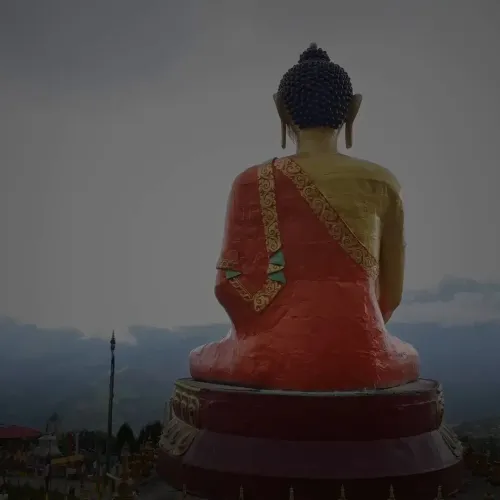
Tawang Monastery, established in the late 17th century, is one of the largest Gelugpa Buddhist monasteries in the world outside Tibet. Perched at roughly 10,000 feet in the westernmost corner of Arunachal Pradesh, it sits at the confluence of India's borders with Bhutan and China — a geography that has always lent its cultural events an outsized regional significance. For the Buddhist communities of the district, the monastery is not a heritage site on a map; it is the living spiritual centre of daily life.
Periodic expositions of sacred relics are among the most solemn events in this tradition, drawing pilgrims from across the northeastern Himalayan belt. The preparatory rituals Khandu witnessed are integral to the monastic calendar — each one serving a precise liturgical function before devotees are permitted proximity to the relics themselves.
Buddhist heritage and the Northeast's religious tourism push
The exposition fits into a broader pattern of Arunachal Pradesh positioning its monastic traditions as both a spiritual and a cultural asset. The Government of India's Swadesh Darshan scheme has, since 2016, identified a Buddhist Circuit that includes sites in the Northeast, with Tawang among the locations earmarked for heritage and tourism development.
A sitting Chief Minister attending the opening rituals in person — and documenting them publicly — signals the state government's intent to amplify the event's reach beyond the monastery walls, drawing pilgrims, tourists, and wider public attention to a corner of India that often registers in national discourse primarily through its strategic geography rather than its rich monastic culture.
For the next seven days, the eyes of the Buddhist world in the Himalayan region will rest on Tawang — and the monastery's ancient courtyards will carry the weight of both devotion and, quietly, diplomacy.
Point of View
Which must constantly assert its cultural identity alongside its strategic importance, events like this Tawang exposition serve a dual purpose: reinforcing the state's Buddhist heritage credentials while drawing national and international attention to a border region that China continues to contest. Khandu's presence ties the BJP-led state government visibly to the spiritual life of its Buddhist constituency, a demographic that carries significant political weight in the western districts. It also advances a quiet but consistent Centre-state effort to develop religious tourism in the Northeast as an economic and soft-power lever.
NationPress
31 Oct 2026
Frequently Asked Questions
What is the Sacred Exposition of the Holy Relics of Bhagwan Buddha at Tawang?
It is a seven-day religious event held at Tawang Monastery (Gaden Namgyal Lhatse) in Arunachal Pradesh from 31 October to 7 November 2026, during which sacred Buddhist relics are displayed for veneration by pilgrims and devotees.
What rituals did CM Pema Khandu witness at Tawang Monastery?
Khandu witnessed three preparatory rituals: Thrisol (purification of the sacred remains), Ramne (performed to ward off evil influences), and Mandal Tensung (invoking prayers for the well-being and preservation of the relics).
Where is Tawang Monastery located and why is it significant?
Tawang Monastery, also called Gaden Namgyal Lhatse, is located in Tawang district in western Arunachal Pradesh. Established in the late 17th century, it is one of the largest Gelugpa Buddhist monasteries in the world and sits near India's borders with China and Bhutan.
What is the Swadesh Darshan Buddhist Circuit and does it cover Tawang?
The Swadesh Darshan scheme is a Government of India initiative to develop thematic tourism circuits, including a Buddhist Circuit. Since 2016, sites in Arunachal Pradesh, including Tawang, have been identified for heritage and religious tourism development under this scheme.
Why does Tawang Monastery have geopolitical significance?
Tawang Monastery is located in a district that borders both China and Bhutan. China has historically disputed India's sovereignty over the Tawang region, making cultural and religious events there carry additional visibility in the context of India's border diplomacy.