CM Dhami Chairs Uttarakhand Cabinet Meeting
Synopsis
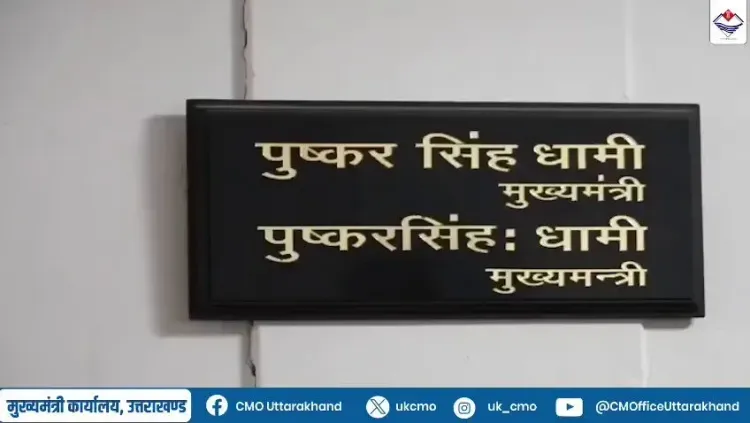
Uttarakhand Chief Minister Pushkar Singh Dhami is presiding over a state cabinet meeting on 7 August 2026, the Chief Minister's Office confirmed. The session is the constitutional forum for key administrative and policy decisions by the state government.
Key Takeaways
Chief Minister Pushkar Singh Dhami is chairing a full Uttarakhand Cabinet meeting on 7 August 2026 .
The meeting was confirmed live by the Chief Minister's Office of Uttarakhand via an official post on X.
Dhami has served as Uttarakhand's Chief Minister since 2021 and represents the BJP .
Cabinet meetings are the apex constitutional forum for collective decision-making by the state executive.
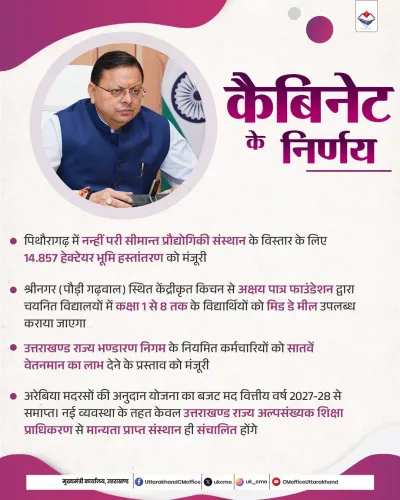
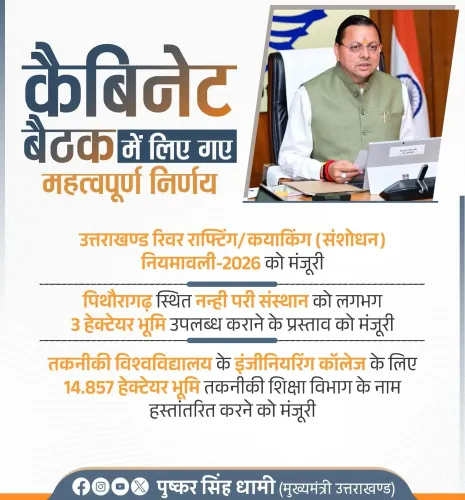
Specific agenda items and decisions have not yet been made public; formal orders are expected after the session.
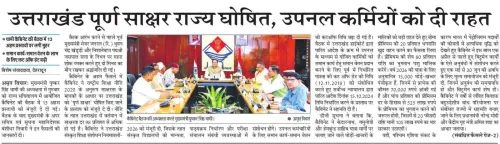
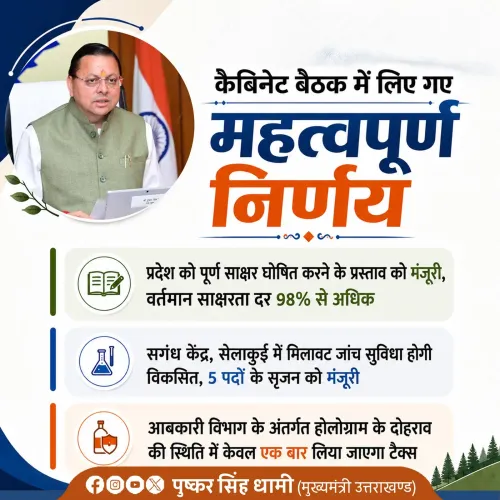
The wheels of Uttarakhand's government are turning in Dehradun on Friday, 7 August 2026, as Chief Minister Pushkar Singh Dhami presides over a full cabinet meeting — the constitutional engine through which the state's most consequential administrative decisions are made.
The Chief Minister's Office of Uttarakhand confirmed the session is underway, posting on X: 'मुख्यमंत्री श्री पुष्कर सिंह धामी की अध्यक्षता में चल रही है उत्तराखण्ड कैबिनेट की बैठक' ('A meeting of the Uttarakhand Cabinet is underway under the chairmanship of Chief Minister Shri Pushkar Singh Dhami').
Dhami's Cabinet: The Room Where Uttarakhand's Policy Gets Made
Pushkar Singh Dhami, a BJP leader who has served as Uttarakhand's Chief Minister since 2021, chairs these cabinet sessions as the apex decision-making body of the state government. Under India's parliamentary system, cabinet meetings are the formal constitutional forum where ministers collectively deliberate on legislation, administrative orders, budget allocations, and policy direction — decisions that then carry the force of state executive authority. Uttarakhand, carved out of Uttar Pradesh in 2000, governs a strategically significant Himalayan state with a population spread across hilly terrain and a capital in Dehradun. The state's administration regularly uses cabinet meetings to clear files ranging from infrastructure and disaster management to social welfare and land policy. The specific agenda and decisions of today's meeting have not yet been made public. Formal government orders or policy notifications, if any, are expected to follow once the session concludes.Point of View
Who has steered Uttarakhand through a demanding political cycle since 2021, these meetings are where electoral promises are converted into administrative reality. The BJP government in Dehradun has staked significant political capital on development delivery in a state where terrain and logistics make execution difficult. Watch the post-cabinet notifications: the decisions formalised today will signal where the administration's priorities are focused heading into the next phase of governance.
NationPress
7 Aug 2026
Frequently Asked Questions
What is the Uttarakhand Cabinet meeting about today?
The specific agenda has not been disclosed publicly. The Chief Minister's Office confirmed on 7 August 2026 that a cabinet meeting chaired by CM Pushkar Singh Dhami is underway; formal decisions are expected to be notified after the session concludes.
Who is Pushkar Singh Dhami?
Pushkar Singh Dhami is the Chief Minister of Uttarakhand, a BJP leader who has held the post since 2021.
How often does the Uttarakhand Cabinet meet?
Uttarakhand Cabinet meetings are convened as required by the Chief Minister, typically to clear pending policy files, approve schemes, and issue administrative orders. There is no fixed public schedule.
Where is the Uttarakhand Cabinet meeting held?
Cabinet meetings of the Uttarakhand government are generally held in Dehradun , the state capital, at the secretariat or the Chief Minister's official premises.
What decisions can come out of a state cabinet meeting in India?
State cabinet meetings can approve new schemes, amend policies, clear budget proposals, issue ordinances, make appointments, and pass resolutions on legislation — all of which carry the force of the state executive's collective authority.