CM Dhami Credits Public Trust as His Governing Strength
Synopsis
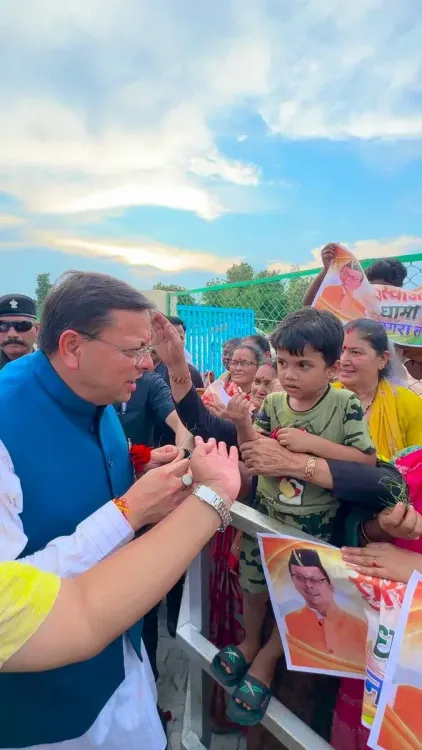
Uttarakhand Chief Minister Pushkar Singh Dhami posted on 12 July 2026 that the blessings of elders and affection of the young are his greatest strength, dedicating himself to the welfare and interests of the state's people.
Key Takeaways
CM Pushkar Singh Dhami posted a personal reflection on 12 July 2026 describing public trust as his core governing motivation.
He cited the blessings of elders and the affection of younger people as his 'greatest strength' in serving Uttarakhand .
Dhami has led Uttarakhand as Chief Minister since March 2021 and steered the BJP to a second term after the 2022 assembly elections .
The post aligns with a broader BJP pattern of regional leaders projecting humility and grassroots connect between electoral cycles.
The next Uttarakhand assembly elections are expected in 2027 , making the current period critical for the administration's public image-building.
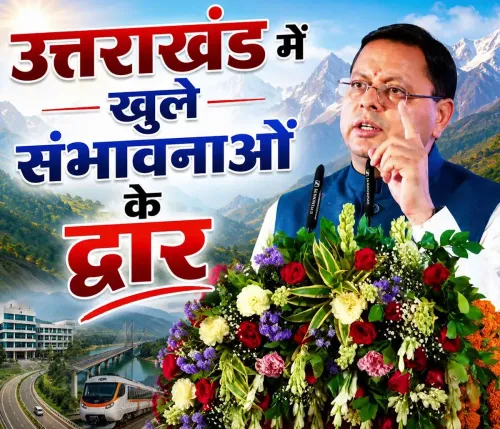
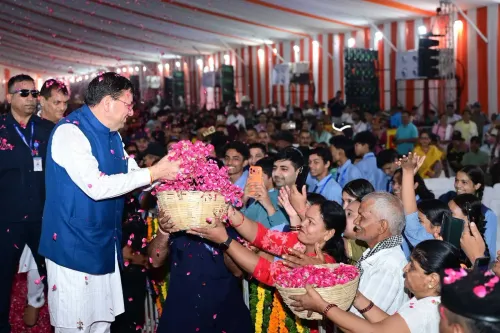
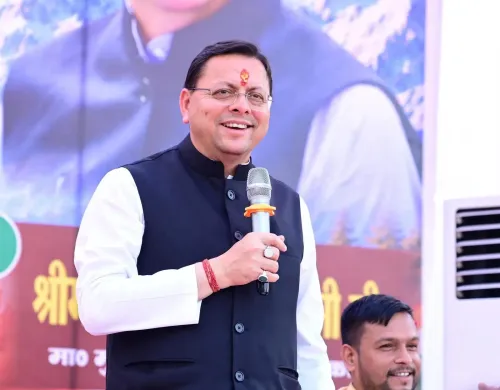
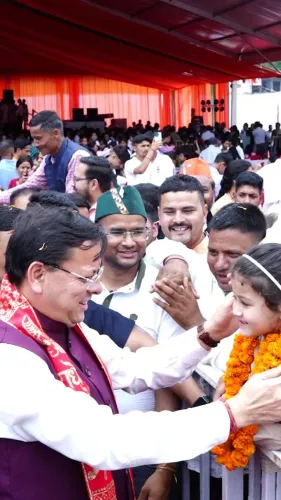
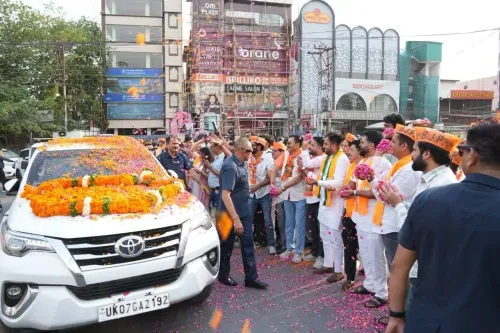
Uttarakhand Chief Minister Pushkar Singh Dhami posted a personal reflection on Sunday, 12 July 2026, describing the blessings of elders and the affection of the young as the greatest source of his strength and motivation to serve the state.
In the post, shared on his official X account, Dhami wrote in Hindi: 'Badon ka aashirvaad aur chhoton ka sneh hi meri sabse badi shakti hai' — 'The blessings of elders and the affection of the younger generation are my greatest strength.' He added that this sense of belonging, trust, and warmth continuously inspires him to work with complete dedication for the welfare of the people of Uttarakhand and the interests of the state.
Context
Dhami has served as Chief Minister of Uttarakhand since March 2021, initially replacing the previous BJP incumbent amid internal party realignment. Following the 2022 assembly elections, he led the Bharatiya Janata Party to a second consecutive term in the state, running on a platform centred on anti-corruption and development. The July 2026 post comes midway through that second term, at a point when the administration is expected to consolidate its governance record ahead of the next electoral cycle.
Policy Backdrop
Uttarakhand, carved out of Uttar Pradesh in 2000, is a Himalayan state that faces persistent structural challenges including out-migration from hill districts, heavy dependence on tourism, and recurring concerns around disaster resilience. Against this backdrop, BJP-led governments in the state have consistently emphasised grassroots connectivity and a service-oriented image as core political messaging. Chief ministers in smaller states often lean on expressions of personal humility and public trust to reinforce legitimacy between election cycles, particularly when visible governance challenges remain unresolved.
Regional BJP leaders across India have increasingly used social media to project accessibility and emotional connect with constituents — a pattern especially prominent in states where organisational strength at the booth level is central to electoral strategy. Dhami's post fits squarely within this broader communication approach.
Stakeholders and Impact
The primary audience for this message is the Uttarakhand public — including residents of both hill and plains districts — as well as BJP party workers who form the organisational backbone of the state unit. For karyakartas (party workers), such statements from the Chief Minister serve as a morale signal, reinforcing the narrative that the leadership remains grounded and connected to the grassroots. For ordinary residents, the message underscores a governing style that prioritises personal approachability alongside administrative action.
What's Next
With the next Uttarakhand assembly elections expected in 2027, the coming months will be closely watched for major welfare scheme launches, the state's budget priorities, and any significant shifts in the BJP's organisational structure in the state. Dhami's continued emphasis on public trust and service dedication suggests he intends to position himself as the face of the party's re-election campaign well in advance. Any large-scale policy announcement or assembly session outcome in the near term will be a key indicator of how the administration plans to translate this messaging into governance action.
Point of View
Such messaging serves a dual purpose: reinforcing the Chief Minister's image as an accessible leader while signalling stability within a party that has cycled through multiple CMs in the state. The emphasis on 'service and dedication' also pre-empts potential criticism on governance gaps by framing the leader's intent as beyond reproach. Analysts will watch whether this soft messaging is followed by substantive policy announcements in the coming assembly session.
NationPress
11 Oct 2026
Frequently Asked Questions
Who is Pushkar Singh Dhami?
Pushkar Singh Dhami is the Chief Minister of Uttarakhand and a senior BJP leader. He was first sworn in as CM in March 2021 and led the party to a second consecutive victory in the 2022 state assembly elections.
What did CM Dhami post on X on 12 July 2026?
CM Dhami posted in Hindi that the blessings of elders and the affection of the young are his greatest strength, and that this public trust and warmth continuously inspire him to work with full dedication for the welfare of Uttarakhand.
When are the next Uttarakhand assembly elections?
The next Uttarakhand assembly elections are expected in 2027. The current BJP government, led by Dhami, is in its second consecutive term following the 2022 polls.
Why do BJP chief ministers frequently post personal messages on social media?
Regional BJP leaders, particularly in smaller states, use personal social media posts to project accessibility and emotional connect with constituents. This approach helps sustain grassroots support and party worker morale between election cycles.
What are the main governance challenges facing Uttarakhand?
Uttarakhand faces persistent challenges including out-migration from hill districts, heavy dependence on tourism revenues, and the need for stronger disaster resilience infrastructure given its Himalayan geography.