CM Dhami Contrasts BJP Rule With Opposition Era in Uttarakhand
Synopsis
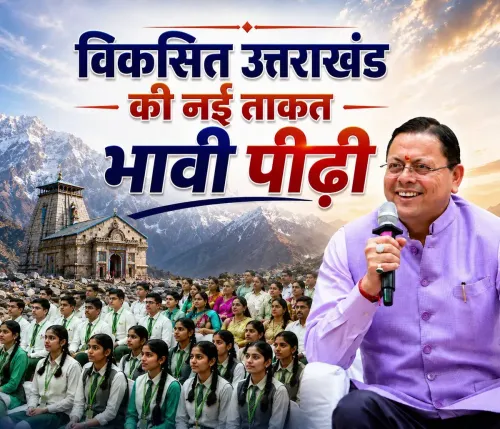
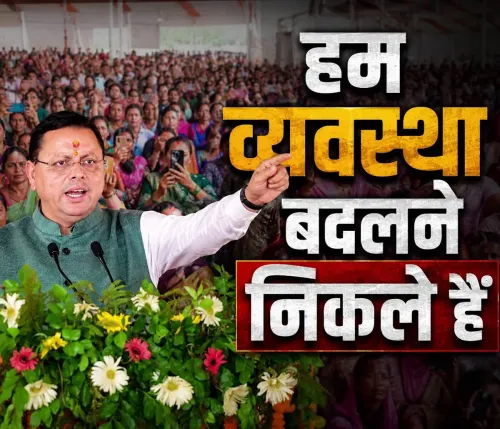
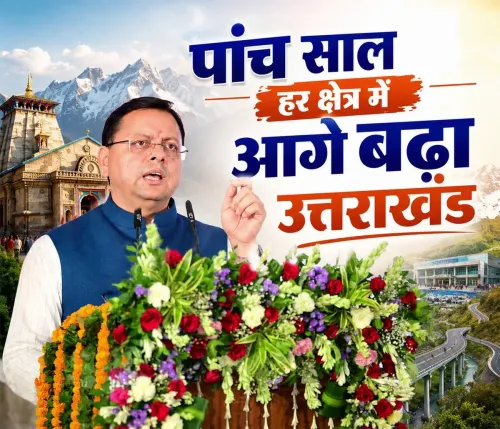
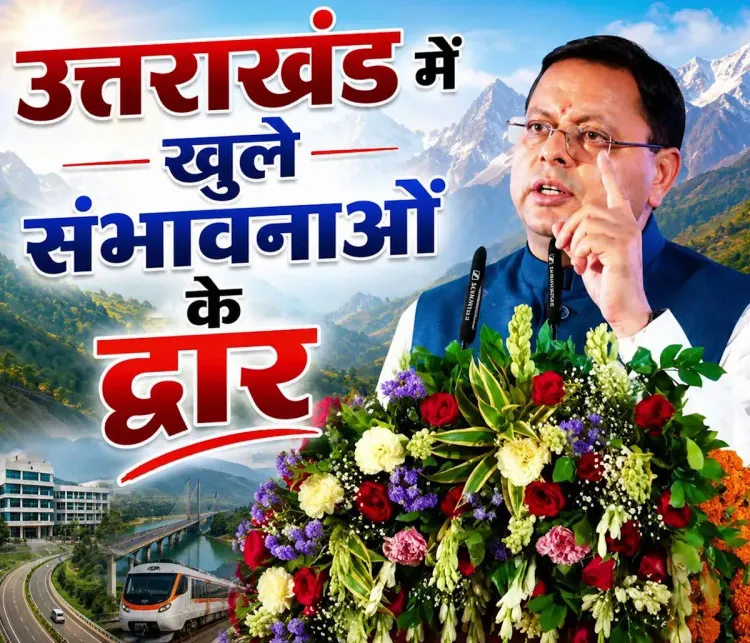
Uttarakhand Chief Minister Pushkar Singh Dhami on 4 July 2026 sharply criticised the opposition for allegedly limiting the state's development potential for years, asserting that his BJP government had opened new doors of growth and public welfare by making governance a means of service.
Key Takeaways
CM Pushkar Singh Dhami posted on 4 July 2026 contrasting BJP's governance record with the opposition's tenure in Uttarakhand .
He accused the opposition of having 'limited Uttarakhand 's development potential for years.' Dhami framed his government's approach as transforming 'power into a means of service' for public welfare.
The post was accompanied by a video, suggesting structured political outreach.
Uttarakhand assembly elections are due in 2027 , making such messaging politically significant.
The BJP has governed Uttarakhand since 2017 and won consecutive terms, with development and connectivity as its core campaign planks.
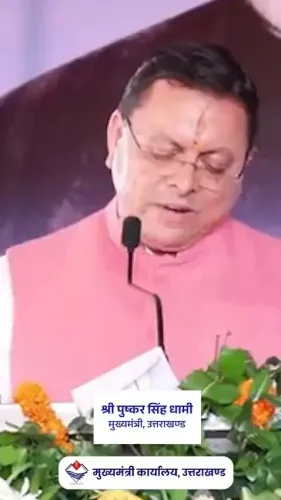
Uttarakhand Chief Minister Pushkar Singh Dhami on Saturday, 4 July 2026, sharply contrasted his government's development record with what he described as years of stifled progress under the opposition, asserting that his administration had transformed governance into an instrument of public service and opened new avenues of growth for the state.
Context
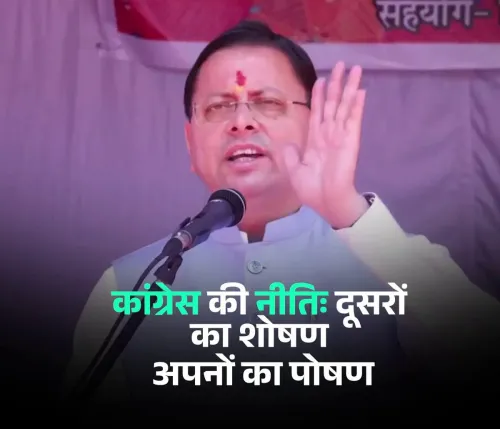
In the post, written in Hindi, CM Dhami stated: 'Jahaan vipaksh ne varshon tak Uttarakhand ki vikas sambhavanaon ko seemit rakhne ka kaam kiya' ('Where the opposition spent years limiting Uttarakhand's development potential'), his government had, by contrast, 'made power a means of service and opened new doors of development and public welfare for the state.' The message is a direct political contrast between BJP's tenure and the Congress-led governments that preceded it.
The post was accompanied by a video, suggesting it may be part of a broader outreach or campaign communication. Dhami has served as Chief Minister since 2021 and led the BJP to a consecutive victory in the 2022 Uttarakhand assembly elections.
Policy Backdrop
Uttarakhand was carved out of Uttar Pradesh in 2000 following a prolonged statehood movement, with successive governments pledging accelerated infrastructure, tourism, and welfare measures for the hill state. The BJP has governed the state for most of the period since 2017, consistently framing its tenure around road connectivity, tourism circuit development, hydropower expansion, and anti-corruption messaging.
The party's political communication in the state has repeatedly emphasised unlocking development potential that it claims was neglected during earlier Congress administrations. This narrative has been a consistent thread through multiple election cycles in Uttarakhand.
Stakeholders and Impact
The primary audience for such messaging is Uttarakhand's electorate — residents of both the hill districts and the Terai plains — who have long demanded better road connectivity, employment, and welfare delivery. Sectors such as tourism, hydropower, and pilgrimage infrastructure are central to the state's economy and frequently cited as benchmarks of governance performance.
Opposition parties, principally the Congress, are likely to contest the framing, pointing to their own tenures and challenging specific development claims ahead of the next electoral cycle. Civil society groups and local bodies in the state will watch whether such rhetoric is matched by measurable on-ground delivery.
What's Next
Uttarakhand assembly elections are due in 2027, and competing narratives on development performance and welfare delivery are expected to intensify in the run-up. CM Dhami's post signals that the BJP intends to fight the next election primarily on its governance record, positioning the opposition's historical tenure as a foil. How effectively the party translates this communication into voter confidence will be a defining factor in 2027.
Point of View
He is attempting to set the terms of the 2027 debate: not on current grievances, but on a before-and-after narrative. The BJP's political communication in Uttarakhand has consistently leaned on infrastructure visibility — roads, pilgrimage circuits, hydropower — as proof of governance, and this post reinforces that arc. Whether the message lands will depend on how strongly voters in both the hills and the Terai associate tangible improvements with the current administration rather than with broader central government spending.
NationPress
3 Oct 2026
Frequently Asked Questions
What did Uttarakhand CM Pushkar Singh Dhami say about the opposition?
CM Dhami stated that the opposition spent years limiting Uttarakhand's development potential, while his BJP government made power a means of service and opened new doors of development and public welfare for the state.
When did Pushkar Singh Dhami become Chief Minister of Uttarakhand?
Pushkar Singh Dhami became Chief Minister of Uttarakhand in 2021 and subsequently led the BJP to a consecutive assembly election victory in 2022.
When are the next Uttarakhand assembly elections?
The next Uttarakhand assembly elections are due in 2027, and political messaging around development and governance is expected to intensify in the lead-up.
What is the BJP's development narrative in Uttarakhand?
The BJP in Uttarakhand has consistently highlighted road connectivity, tourism circuit development, hydropower expansion, and welfare delivery as markers of its governance, contrasting these with what it describes as neglect during earlier Congress tenures.
What sectors are most important to Uttarakhand's economy?
Uttarakhand's economy is centred on tourism, hydropower, and pilgrimage infrastructure, all of which are frequently cited by political parties as benchmarks of governance performance in the state.