CM Dhami Clears Absorption of 2 Retiring Agniveers Into Uttarakhand PAC
Synopsis
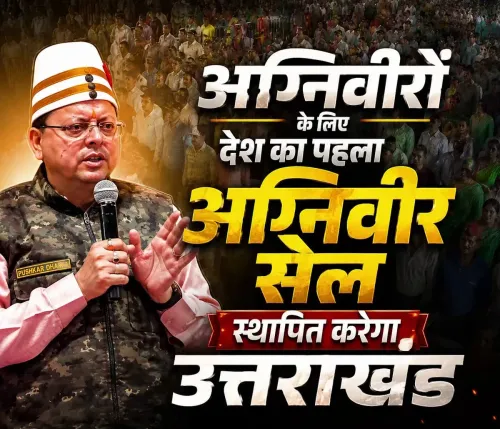
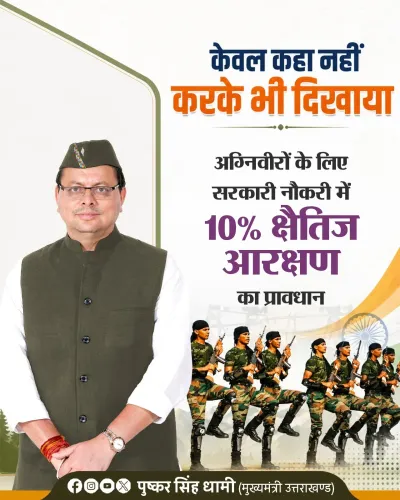
Uttarakhand CM Pushkar Singh Dhami has approved the absorption of two retiring Agniveers — from the Indian Army's first batch, due to be discharged in November 2026 — into vacant posts at the state's 40th PAC Battalion, acting on a central government request.
Key Takeaways
CM Pushkar Singh Dhami has approved the absorption of two Agniveers retiring from the Indian Army in November 2026 into the 40th Battalion, Provincial Armed Constabulary (PAC) of Uttarakhand.
The proposal came via a letter from a Joint Secretary of the Government of India , specifically requesting accommodation of two Uttarakhand-domiciled Agniveers.
The absorption is against existing vacant posts in the PAC — no new positions are being created.
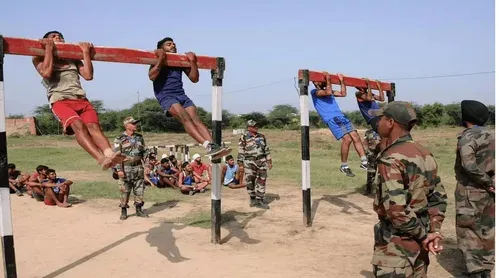
The Agnipath scheme was launched in June 2022 for four-year contractual recruitment; the first batch is now approaching the end of its tenure.
Uttarakhand joins a broader national trend of states formalising post-service absorption policies for retiring Agniveers in police and paramilitary units.
CM Dhami cited the soldiers' military discipline and experience as assets the state is committed to retaining in its security apparatus.
India's first batch of Agniveers — the soldiers recruited under the landmark Agnipath scheme in 2022 — is weeks away from completing its four-year tenure, and Uttarakhand is already moving to keep them in uniform. Chief Minister Pushkar Singh Dhami has approved the absorption of two retiring Agniveers from the Indian Army into vacant posts at the 40th Battalion of the Provincial Armed Constabulary (PAC), making Uttarakhand one of the early movers among Indian states to act on the post-service promise embedded in the scheme's original design.
The Central Government's Request — and Dhami's Swift Nod
The proposal reached the Chief Minister's desk through a letter from a Joint Secretary of the Government of India, which informed the state that the first cohort of Agniveers enrolled in the Indian Army is scheduled to be discharged from the armed forces in November 2026. The letter specifically sought the absorption of two Agniveers from Uttarakhand against available vacancies in a state armed police unit.
CM Dhami gave his approval, directing that the two soldiers be accommodated in the 40th PAC Battalion against existing vacancies. The Chief Minister's Office framed the decision as a direct fulfilment of the state government's commitment to honour the military service of these young men and channel their skills into state security.
Dhami on Agnipath: 'Discipline and Duty Are the Nation's Capital'
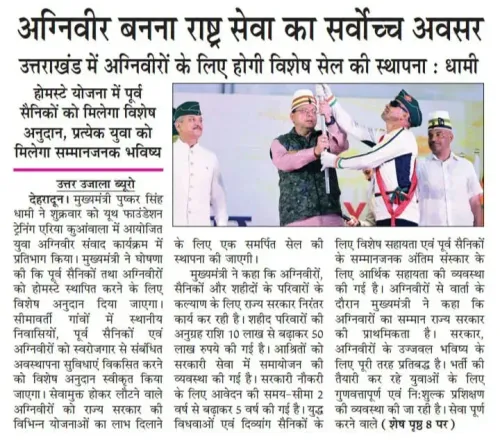
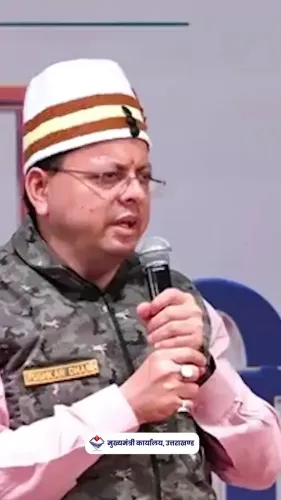
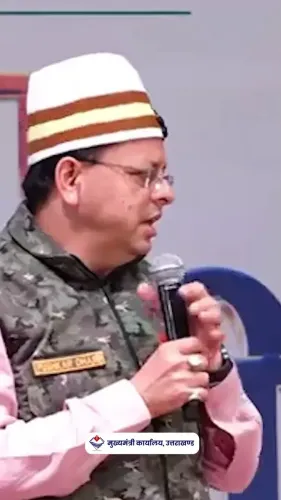
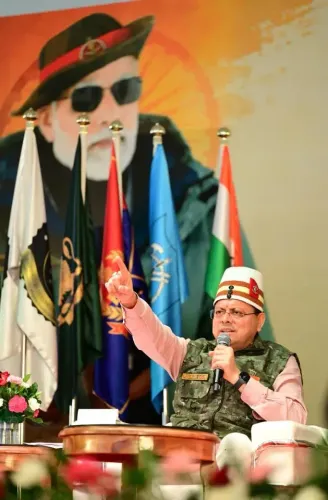
In remarks accompanying the approval, CM Dhami called the Agnipath scheme — launched under the guidance of Prime Minister Narendra Modi — a programme that 'strengthens the spirit of discipline, national service, and dedication among the country's youth.' He added that the skills, experience, and discipline an Agniveer acquires during army service are 'invaluable national assets.'
'Our government respects the contribution and capabilities of the Agniveers,' Dhami said. 'Our effort is that these young people, who have served the country, should continue to get the opportunity to serve the state, and that the state benefits from their military experience, discipline, and competence.' The Uttarakhand government, he underlined, is 'committed to advancing the bright future of youth and their resolve of national service.'
Why This Matters: The Broader Race to Absorb Agniveers
The Agnipath scheme, announced in June 2022, was designed from the outset with a post-service pipeline in mind — the central government and several state governments signalled that retiring Agniveers would receive preference in police and paramilitary recruitment. But the policy architecture of that pipeline has remained a work in progress. With the November 2026 discharge now imminent, states are beginning to act on those promises in concrete, official terms.
Uttarakhand's move — small in number but significant in precedent — reflects a wider pattern taking shape across India. Multiple states have begun crafting specific absorption quotas for Agniveers returning from armed forces duty, aiming to leverage their rigorous four-year military training for internal security roles in state police and armed constabulary units. The PAC, as Uttarakhand's armed reserve police force, is a natural fit for soldiers transitioning from army service.
The state's decision also carries political weight in a region where military service has deep cultural roots. Uttarakhand is among India's highest contributors of soldiers per capita to the armed forces, and the Agnipath scheme has been a subject of intense local interest since its launch.
What Comes Next for India's Retiring Agniveers
All eyes are now on other high-recruitment states to formalise similar absorption frameworks before the November 2026 discharge window. A patchwork of state-level decisions, rather than uniform central guidelines, currently shapes what awaits the country's first generation of Agniveers after service — making each state announcement a data point in an evolving national picture. Uttarakhand has just put its marker down.
Point of View
Documented precedent: a state government acting on a written central request to absorb retiring Agniveers into its armed constabulary. The move validates the post-service absorption architecture that the Agnipath scheme's architects promised in 2022 but which has been slow to materialise in binding state-level decisions. For the BJP government in Dehradun, the timing is also politically astute — Uttarakhand has one of India's highest per-capita military enlistment rates, and being seen as honouring Agniveers resonates strongly with the state's ex-servicemen community. The real test, however, is whether a uniform central framework emerges before the full first-batch discharge, or whether retiring Agniveers across India must navigate a fractured, state-by-state absorption lottery.
NationPress
16 Oct 2026
Frequently Asked Questions
What is the Agnipath scheme and when was it launched?
The Agnipath scheme is a central government programme launched in June 2022 to recruit soldiers into the Indian armed forces on short-term four-year contracts . Recruits under the scheme are called Agniveers.
When do the first Agniveers retire from the Indian Army?
The first batch of Agniveers enrolled in the Indian Army is scheduled to be discharged from service in November 2026 , completing their four-year contractual tenure.
What has the Uttarakhand government decided for retiring Agniveers?
CM Pushkar Singh Dhami has approved the absorption of two retiring Agniveers from Uttarakhand into vacant posts at the 40th Battalion of the Provincial Armed Constabulary (PAC) .
What is the Provincial Armed Constabulary (PAC) in Uttarakhand?
The Provincial Armed Constabulary (PAC) is the armed reserve police force of Uttarakhand, used for maintaining internal security. It is a natural placement for soldiers transitioning from military service.
Are other states also absorbing retiring Agniveers into police forces?
Yes. Multiple Indian states have begun framing policies to absorb retiring Agniveers into police and paramilitary units, leveraging their military training for internal security roles — though a uniform central framework is still being awaited.