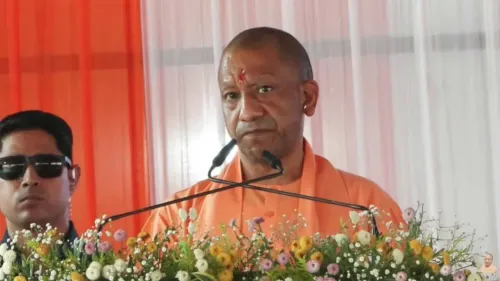
CM Dhami credits Modi for fulfilling OROP for veterans
Synopsis
Uttarakhand CM Pushkar Singh Dhami, whose father served in the Army, says he understands military families' struggle and credits PM Narendra Modi with fulfilling the long-pending One Rank One Pension demand. OROP was announced in 2015 and made effective from July 2014.
Key Takeaways
Uttarakhand CM Pushkar Singh Dhami said he is a soldier's son and that his father served in the Army.
He credited Prime Minister Narendra Modi with fulfilling veterans' decades-old demand for One Rank One Pension.
OROP aims to give uniform pension to personnel retiring at the same rank, irrespective of retirement date.
The scheme was formally announced in 2015 and implemented with effect from July 2014 after years of veteran protests.
Dhami did not announce a new payout; he framed the 2015 settlement as a dream made real for ex-servicemen.
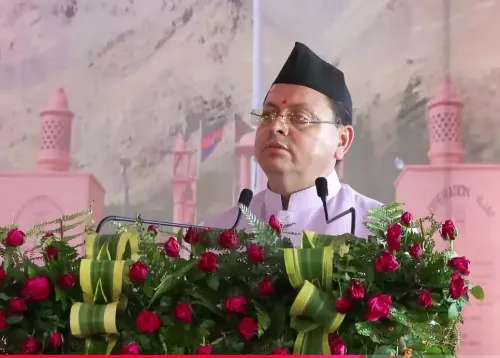
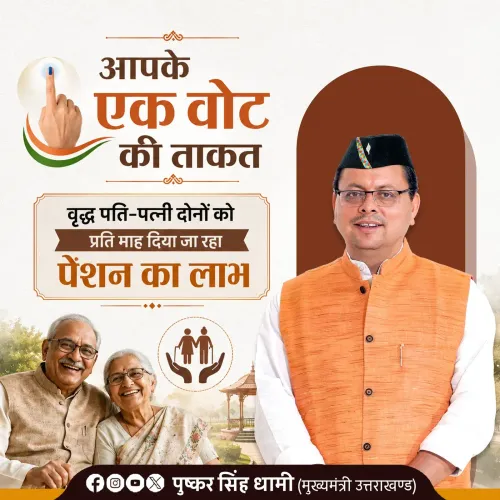
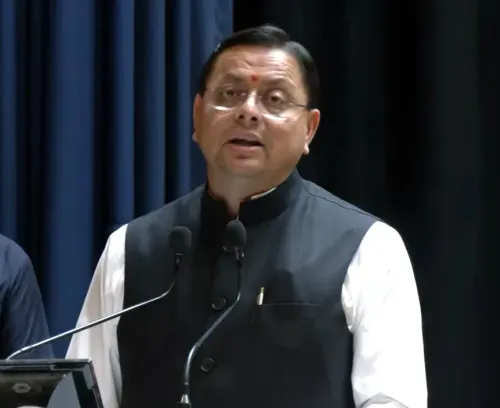
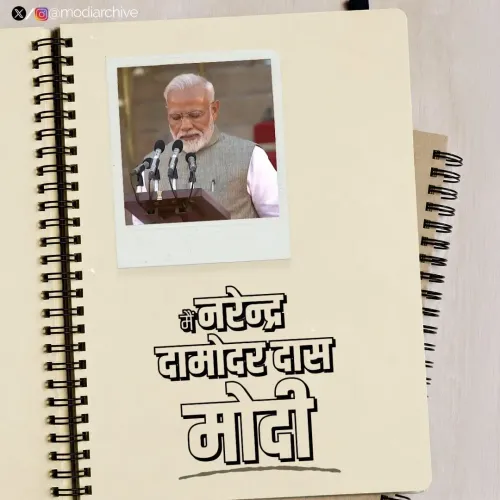
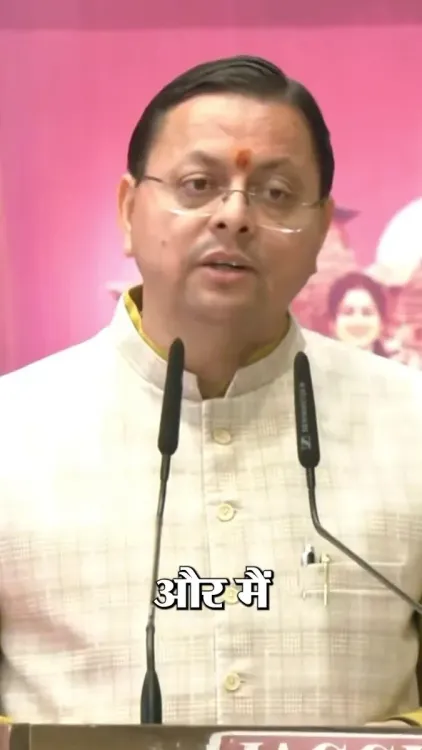
Uttarakhand Chief Minister Pushkar Singh Dhami did not open with a file number. He opened with a household: he is a soldier's son, he said, and that is why he claims to know the struggle, sacrifice and feeling inside military families. The BJP leader then credited Prime Minister Narendra Modi with fulfilling the decades-old demand for One Rank One Pension — the reform veterans had pressed successive governments to deliver.
Writing in Hindi, Dhami said he understands well the struggles, sacrifices and emotions of soldier families. His father, he added, had also served in the Army. Ex-servicemen had waited for decades for वन रैंक, वन पेंशन (One Rank, One Pension), and that wait, he said, had been turned into reality by Modi.
A CM who grew up in a soldier's home
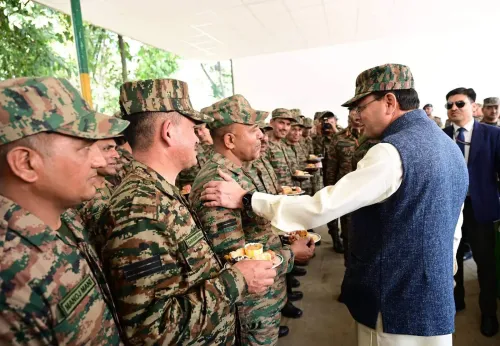
The message was personal before it was political. In a hill state that sends large numbers of young men into uniform, Dhami was speaking as kin, not only as a minister. He named no fresh notification and no new payout. The claim was older and simpler: the dream veterans carried for decades had been fulfilled by the Prime Minister he tagged.
That framing matters because OROP is not an abstract acronym in garrison towns. It is the difference between two men who left at the same rank and drew unequal pensions because they retired in different years. Dhami put that grievance in family language.
OROP's 2015 rollout after years of protest
One Rank One Pension is the rule that personnel retiring at the same rank should draw a uniform pension, irrespective of the date they left service. Older retirees had long argued they were paid less than later batches at the same rank — a gap that became a core demand of the ex-servicemen movement.
The central government formally announced the scheme in 2015, after years of veteran protests, and implemented it with effect from July 2014. Successive governments had faced the same pressure. The 2015 decision is still what BJP leaders, Dhami included, cite as evidence that defence welfare was treated as a priority rather than a file in slow motion.
Why veterans still measure governments by pension parity
OROP did not end the politics of military pensions. It reset them. Ex-servicemen and military families remain the core stakeholders, and leaders return to the scheme whenever they want to show that Delhi heard the ranks. Any later revision, arrears update or defence-budget mention of OROP will be read against the same ledger: did the parity hold, and did the money move.
Dhami's post fits that pattern. A Chief Minister from an Army family is reminding voters that the wait ended under Modi. For households that still count pensions in rupees and ranks, that is the argument that lands.
Point of View
He converts a central scheme into a personal credential in a state with a deep recruiting culture. OROP remains the political template: veterans' parity first, then credit for ending a decades-long wait. Further revisions or arrears updates, if they come, will be judged against that same ledger.
NationPress
27 Nov 2026
Frequently Asked Questions
What did Uttarakhand CM Pushkar Singh Dhami say about OROP?
He said that as a soldier's son he understands military families' struggles and credited Prime Minister Narendra Modi with fulfilling the decades-old One Rank One Pension demand. He also said his father had served in the Army.
What is the One Rank One Pension scheme?
One Rank One Pension is a pension reform under which armed forces personnel retiring at the same rank receive a uniform pension, irrespective of the date of retirement. It was meant to end the gap between older and later retirees of equal rank.
When was OROP implemented in India?
The central government formally announced OROP in 2015 after years of veteran protests and implemented it with effect from July 2014.
Why did ex-servicemen demand One Rank One Pension?
Veterans argued that personnel who retired earlier at the same rank drew lower pensions than those who retired later, creating unequal treatment. OROP was designed to restore pension parity by rank.
Is Pushkar Singh Dhami from a military family?
Yes. In his post he said he is a soldier's son and that his father served in the Army, which he cited as the reason he understands the feelings of soldier families.