CM Dhami flags off special pilgrim train to Somnath from Dehradun
Synopsis
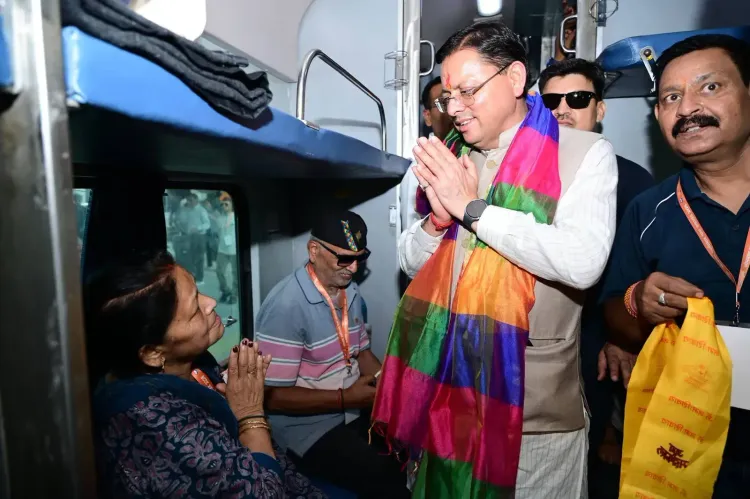
Uttarakhand Chief Minister Pushkar Singh Dhami flagged off a special pilgrim train from Harrawala, Dehradun to Veraval (Somnath) on 13 July 2026 on the occasion of 'Somnath Swabhiman Parv', dispatching devotees from multiple districts of the state to the iconic Jyotirlinga shrine in Gujarat.
Key Takeaways
CM Pushkar Singh Dhami flagged off the special train on 13 July 2026 at Harrawala station, Dehradun .
The train was organised on the occasion of the 'Somnath Swabhiman Parv' , a cultural-religious observance linked to the Somnath Temple in Gujarat.
Devotees from multiple districts of Uttarakhand participated in the rail yatra to Veraval (Somnath) .
The Somnath Temple is one of the twelve Jyotirlinga shrines and was rebuilt and inaugurated in 1951 under Sardar Vallabhbhai Patel .
The initiative aligns with a broader BJP-state pattern of facilitating dedicated pilgrim trains to major Hindu shrines across India.
The Uttarakhand government may expand similar pilgrim rail services to other shrines following this event.
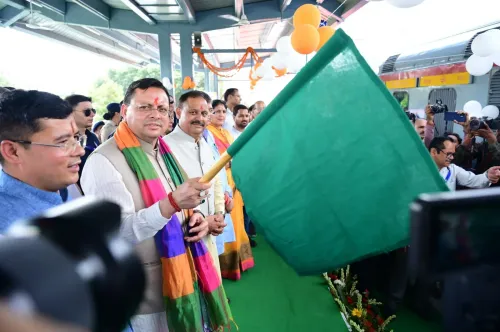
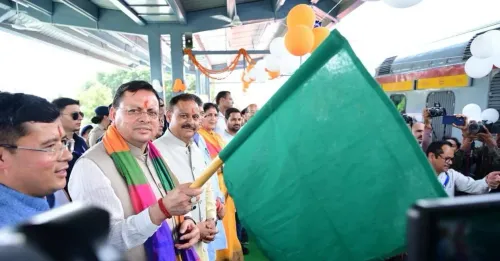
Uttarakhand Chief Minister Pushkar Singh Dhami on Monday, 13 July 2026, flagged off a special pilgrim train from Harrawala station, Dehradun, to Veraval (Somnath) in Gujarat, sending off a large contingent of devotees drawn from several districts of the state on the occasion of the 'Somnath Swabhiman Parv'.
Context
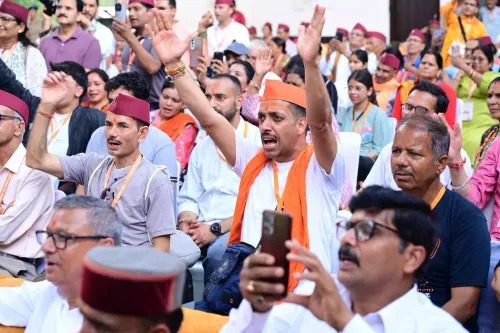
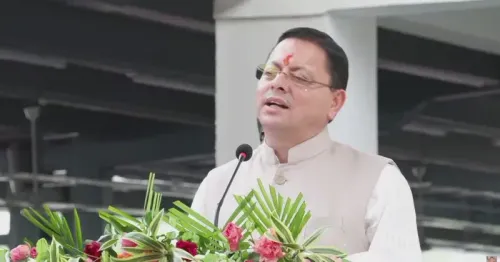
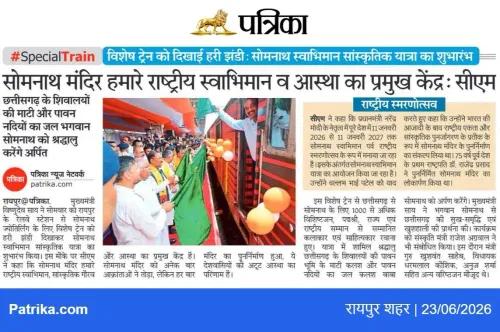
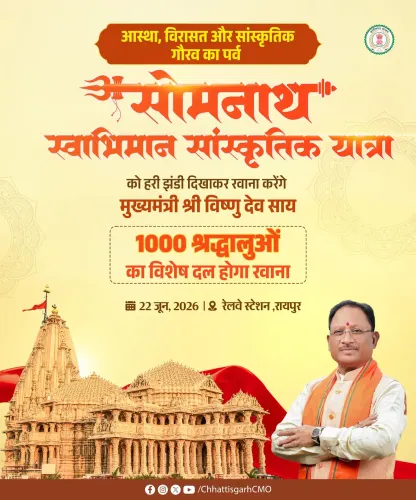
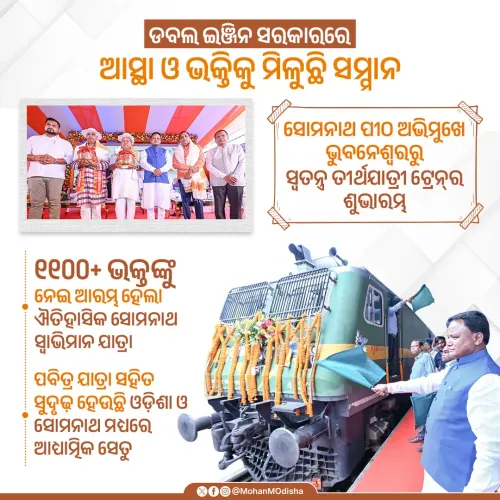
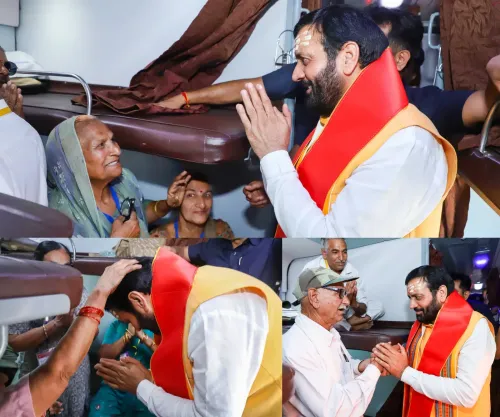
Posting on X, CM Dhami wrote that he flagged off the special rail journey organised from Harrawala (Dehradun) se Veraval (Somnath) ke liye [Harrawala (Dehradun) to Veraval (Somnath)] on the occasion of the 'Somnath Swabhiman Parv', and bid farewell to groups of devotees who had arrived from various districts of the state. The post was accompanied by four photographs capturing the send-off ceremony.
The Somnath Swabhiman Parv is a cultural-religious observance linked to the iconic Somnath Temple at Veraval on the Gujarat coast, one of the twelve Jyotirlinga shrines of Lord Shiva. The temple holds deep national significance as a symbol of cultural resurgence, having been rebuilt and inaugurated in 1951 under the stewardship of Sardar Vallabhbhai Patel after centuries of destruction and reconstruction.
Policy Backdrop
Uttarakhand has long been a state with strong Hindu pilgrimage traditions, anchored by the annual Char Dham Yatra and a government emphasis on religious tourism as an economic driver. Organising or facilitating dedicated pilgrim trains to major shrines across India fits squarely within the state administration's broader cultural outreach agenda.
Across BJP-governed states, inter-state rail connectivity to major Hindu pilgrimage sites has emerged as a consistent policy instrument — linking Himalayan shrine towns with destinations in western, central, and southern India. Special trains to Somnath, Ayodhya, and Kashi have been deployed by multiple state governments to ease pilgrim movement and reinforce cultural ties between regions.
Stakeholders and Impact
The primary beneficiaries are devotees from multiple districts of Uttarakhand who would otherwise face the logistical and financial burden of arranging long-distance travel to Gujarat independently. A dedicated train reduces travel time, cost, and uncertainty for pilgrims, particularly elderly devotees and those from smaller towns and villages.
The initiative also carries symbolic weight: connecting a Himalayan state steeped in Shaivite tradition directly to the westernmost Jyotirlinga reinforces a narrative of cultural and spiritual unity across India's geography. For the state government, such events serve as visible demonstrations of its commitment to religious heritage and community welfare.
What's Next
The Uttarakhand government is expected to monitor the success of this pilgrim train as a template for similar rail yatras to other major shrines. Further announcements on expanded pilgrim rail services or integration with national religious tourism schemes — such as the Dekho Apna Desh initiative — could follow in the coming months.
With the Char Dham Yatra season already active and state-level cultural events gaining momentum, CM Dhami's administration appears set to deepen its calendar of religion-linked public outreach programmes through the remainder of 2026.
Point of View
Reinforcing a pan-India religious geography that the BJP has consistently sought to animate through governance. Such state-facilitated yatras also serve a political function: they demonstrate administrative responsiveness to a core constituency ahead of any future electoral cycle. The broader pattern suggests that pilgrim rail connectivity is becoming a structured policy instrument, not merely a ceremonial gesture.
NationPress
13 Jul 2026
Frequently Asked Questions
What is the Somnath Swabhiman Parv?
The Somnath Swabhiman Parv is a cultural and religious observance associated with the Somnath Temple at Veraval in Gujarat, one of the twelve Jyotirlinga shrines of Lord Shiva, celebrating its heritage and national significance.
Where did the special pilgrim train to Somnath depart from in Uttarakhand?
The special pilgrim train departed from Harrawala railway station in Dehradun, flagged off by Chief Minister Pushkar Singh Dhami on 13 July 2026.
Who flagged off the Somnath pilgrim train from Dehradun?
Uttarakhand Chief Minister Pushkar Singh Dhami flagged off the special train to Veraval (Somnath) from Harrawala, Dehradun on the occasion of 'Somnath Swabhiman Parv'.
Why is the Somnath Temple historically significant?
The Somnath Temple is one of the twelve Jyotirlinga shrines of Lord Shiva and is a powerful symbol of India's cultural revival. It was rebuilt and inaugurated in 1951 under the leadership of Sardar Vallabhbhai Patel after centuries of destruction and reconstruction.
Does Uttarakhand run special trains for pilgrims to other shrines?
Uttarakhand has strong pilgrimage traditions centred on the Char Dham Yatra, and the state government has been expanding facilitation of inter-state pilgrim travel, with the Somnath train being the latest example of this approach.