CM Dhami Backs Rural Sports Talent Via Three State Schemes
Synopsis
Uttarakhand CM Pushkar Singh Dhami credited the Khel Mahakumbh with surfacing rural athletic talent and outlined three state government schemes — covering scholarships, incentives and infrastructure funding — aimed at nurturing those players into competitive athletes.
Key Takeaways
CM Pushkar Singh Dhami highlighted the Khel Mahakumbh as a platform for identifying sports talent from rural Uttarakhand .
The Mukhya Mantri Udeeyaman Khiladi Unnayan Yojana provides scholarships and sports equipment to emerging athletes.
The Mukhya Mantri Khiladi Protsahan Yojana offers incentives and broader support to players across disciplines.
The Mukhya Mantri Khel Vikas Nidhi funds sports infrastructure and training facility development statewide.
The three schemes collectively form a layered support structure targeting the rural athlete pipeline in Uttarakhand .
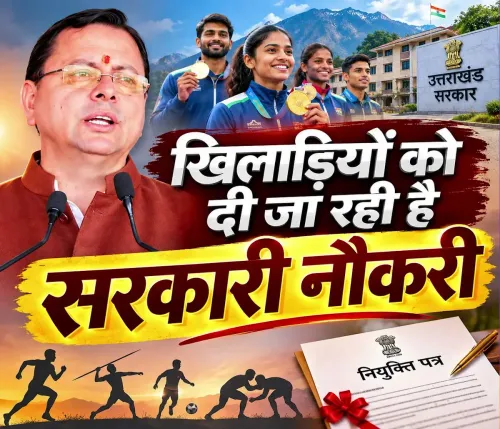
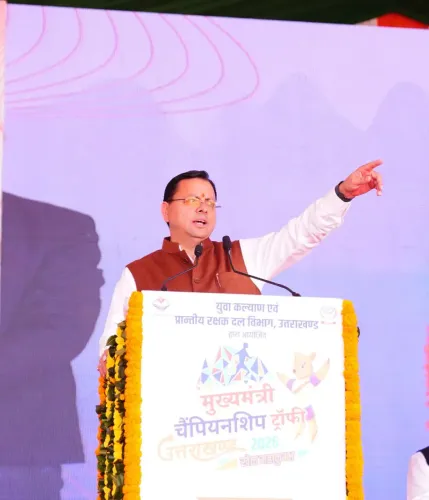
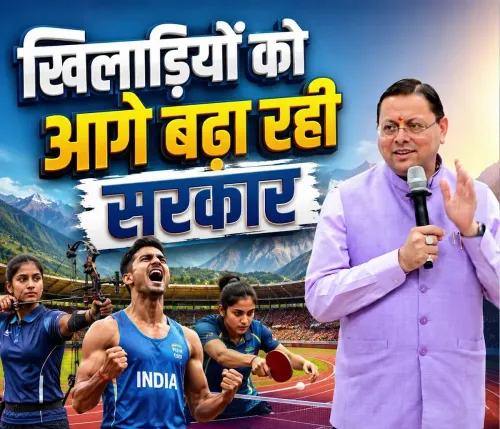
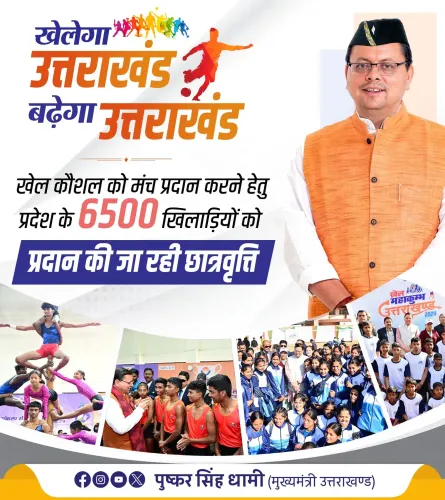
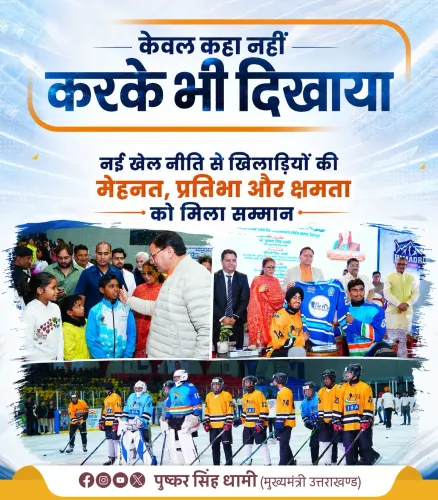
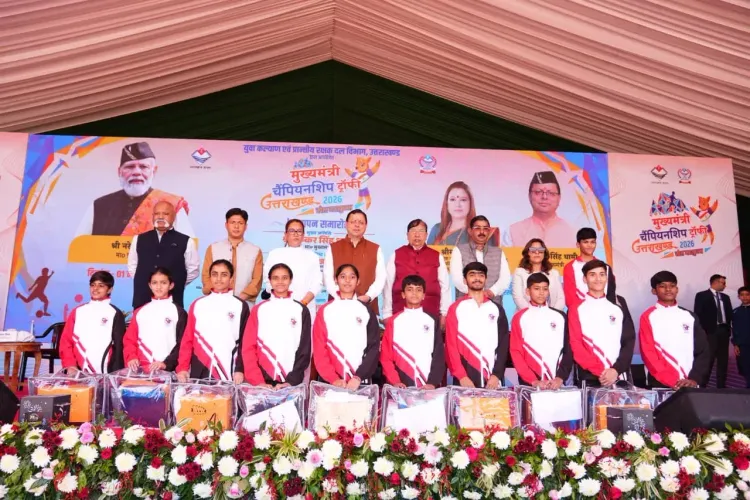
Uttarakhand Chief Minister Pushkar Singh Dhami has reinforced his government's commitment to grassroots sports development, pointing to the Khel Mahakumbh as a powerful platform that is pulling hidden athletic talent out of the state's villages and into the spotlight.
Responding on X on Sunday, 1 November 2026, Dhami wrote that the Khel Mahakumbh has provided a 'strong platform for sports talents hidden in rural areas to display their abilities.' He added that his government is delivering scholarships, sports equipment, and better training facilities through three dedicated schemes: the Mukhya Mantri Udeeyaman Khiladi Unnayan Yojana, the Mukhya Mantri Khiladi Protsahan Yojana, and the Mukhya Mantri Khel Vikas Nidhi.
Khel Mahakumbh as a Rural Talent Pipeline
The Khel Mahakumbh is a state-level sporting event designed specifically to identify and showcase athletic potential from Uttarakhand's rural heartland — regions that rarely feature on the national sports radar. By bringing competitions closer to villages rather than restricting them to urban centres, the event functions as a scouting and confidence-building exercise at scale.
For a hilly state where geography has long been a barrier to opportunity, that structural shift matters. Young athletes who might never have made it to a district-level selection camp now have a formal stage to compete on.
Three Schemes, One Mission: Getting Resources to Athletes
The three schemes Dhami cited each target a different bottleneck in the athlete pipeline. The Mukhya Mantri Udeeyaman Khiladi Unnayan Yojana focuses on emerging talent, channelling scholarships and equipment to players in the early stages of their careers. The Mukhya Mantri Khiladi Protsahan Yojana broadens that support through incentives aimed at keeping athletes motivated and in training. The Mukhya Mantri Khel Vikas Nidhi operates at the infrastructure level — a dedicated fund for sports development and improved training facilities across the state.
Together, they form a layered support structure that the BJP-led Uttarakhand government has positioned as its answer to the chronic underfunding of rural sporting ecosystems.
What It Means for Youth Beyond the Hills
Uttarakhand's approach mirrors a broader pattern visible across several Indian states: using targeted welfare schemes to redirect sports investment away from a handful of urban academies and toward the wider base of rural youth. The logic is straightforward — raw talent is not geographically concentrated, but opportunity has been. Closing that gap is as much a social policy choice as a sporting one.
The next edition of the Khel Mahakumbh and any fresh budget allocations announced for these schemes will be the real measure of whether the state's ambition translates into sustained institutional support — or remains a well-articulated promise.
Point of View
The government is building a visible policy identity around grassroots athletics, a space that wins both electoral goodwill among rural families and genuine developmental credibility. The Khel Mahakumbh serves as the public-facing proof-of-concept; the three schemes are the institutional backbone meant to sustain it. The real test will come when budget cycles and scheme disbursement data either validate or quietly deflate that narrative.
NationPress
1 Nov 2026
Frequently Asked Questions
What is the Khel Mahakumbh in Uttarakhand?
The Khel Mahakumbh is a state-level sports event organised by the Uttarakhand government to identify and provide a platform for athletic talent from rural areas of the state.
What is the Mukhya Mantri Udeeyaman Khiladi Unnayan Yojana?
It is an Uttarakhand government scheme that provides scholarships, sports equipment, and training support to emerging athletes, particularly those from rural backgrounds.
How does the Mukhya Mantri Khel Vikas Nidhi help athletes?
The Mukhya Mantri Khel Vikas Nidhi is a dedicated state fund aimed at improving sports infrastructure and training facilities across Uttarakhand.
What does the Mukhya Mantri Khiladi Protsahan Yojana offer?
The Mukhya Mantri Khiladi Protsahan Yojana provides incentives and motivational support to sportspersons in Uttarakhand to encourage sustained participation and performance.
Why is the Uttarakhand government focusing on rural sports talent?
Uttarakhand's hilly terrain has historically limited access to sports infrastructure for rural youth; the government's schemes and events like Khel Mahakumbh aim to bridge that geographic opportunity gap.