CM Dhami congratulates BJP's new state presidents
Synopsis
Uttarakhand CM Pushkar Singh Dhami congratulated the BJP's newly appointed state presidents in Haryana, Delhi, Punjab, and Tripura on 28 May 2026, expressing confidence they would strengthen the party under PM Modi and national president Nitin Nabin's guidance.
Key Takeaways
Uttarakhand CM Pushkar Singh Dhami congratulated four new BJP state presidents on 28 May 2026 .
New state presidents were appointed in Haryana , Delhi , Punjab , and Tripura simultaneously.
CM Dhami invoked PM Narendra Modi and national president Nitin Nabin as guiding pillars for the new leadership.
The appointments reflect the BJP's centralised practice of periodically refreshing state-level organisational leadership.
The new state chiefs are expected to advance the party's agenda of public service, good governance, and national interest across their respective states.
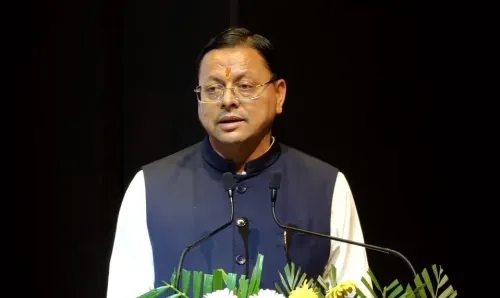
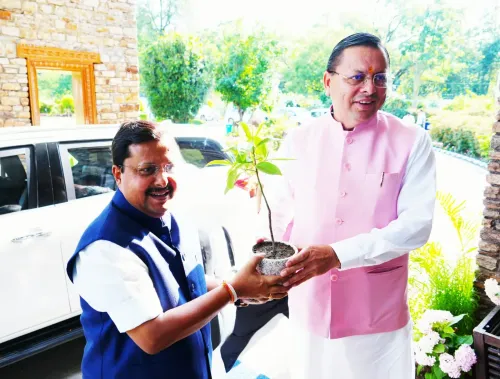
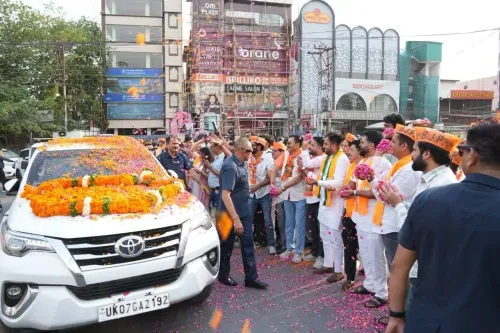
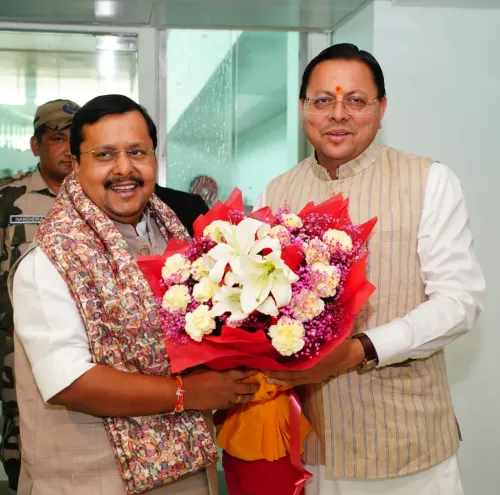
Uttarakhand Chief Minister Pushkar Singh Dhami on Thursday, 28 May 2026, extended congratulations to the newly appointed state presidents of the Bharatiya Janata Party in Haryana, Delhi, Punjab, and Tripura, expressing confidence that the fresh leadership would strengthen the party's organisational machinery at the ground level.
Context
CM Dhami posted his congratulatory message on X, addressing the four newly appointed state presidents by name. In the post, he wrote — 'हार्दिक बधाई एवं शुभकामनाएं' ['heartfelt congratulations and best wishes'] — and expressed full confidence that each of them would use their experience, organisational capacity, and dedication to further strengthen the party.
The four appointments cover a geographically diverse spread of states: Haryana in the north, Delhi as the national capital territory, Punjab on the western border, and Tripura in the northeast. The simultaneous announcement across all four units signals a coordinated central push to refresh state-level leadership.
Policy Backdrop
The BJP has a well-established practice of periodically replacing or appointing state unit presidents to align organisational priorities with the national leadership's agenda. These changes are typically timed to sharpen grass-roots presence ahead of electoral cycles or to consolidate governance delivery in states where the party is in power.
CM Dhami invoked both Prime Minister Narendra Modi and the party's national president Nitin Nabin in his message, noting that the new state presidents would work under their guidance to advance the party's commitments to public service, good governance, and national interest — 'जनसेवा, सुशासन और राष्ट्रहित' ['public service, good governance, and national interest']. The framing reflects the BJP's centralised decision-making structure, where state units operate in alignment with the national leadership.
Stakeholders and Impact
The appointments directly affect BJP workers and office-bearers across four state units, who will now operate under new organisational leadership. In Tripura, where the party governs, the new state president will play a key role in coordinating between the state government and party cadre. In Punjab, where the party has limited electoral presence, the appointment is seen as part of a longer-term organisational rebuilding effort.
In Delhi and Haryana, both electorally significant units, the incoming state presidents will be expected to maintain momentum and manage local political dynamics. Senior leaders like CM Dhami publicly endorsing the appointments adds a layer of legitimacy and signals party unity at the leadership level.
What's Next
Further state-level organisational announcements from the BJP national leadership are likely as the party continues to recalibrate its unit structures. The performance of the newly appointed state presidents in mobilising cadre, managing intra-party dynamics, and delivering on local electoral mandates will be closely watched by both party insiders and political observers.
With Prime Minister Modi and national president Nitin Nabin cited as the guiding pillars, the new state chiefs are expected to operate within a tightly coordinated framework — a pattern that has defined the BJP's organisational culture through successive electoral cycles.
Point of View
Delhi, Punjab, and Tripura — underscores the BJP's centralised, top-down approach to organisational management. By publicly congratulating the appointees, senior leaders like CM Dhami reinforce party cohesion and signal alignment with the national leadership's direction. The invocation of both PM Modi and national president Nitin Nabin in the same breath reflects the dual power axis that governs BJP's state-unit decisions. This pattern of coordinated appointments is consistent with the party's broader strategy of keeping its organisational machinery in a state of electoral readiness well ahead of scheduled polls.
NationPress
11 Oct 2026
Frequently Asked Questions
Who are the new BJP state presidents appointed in May 2026?
The BJP appointed new state presidents in Haryana, Delhi, Punjab, and Tripura in May 2026. CM Dhami's post tagged their official handles but the research notes their specific identities are unverified from established public records.
Why did CM Dhami congratulate BJP state presidents?
Uttarakhand CM Pushkar Singh Dhami congratulated the newly appointed BJP state presidents in Haryana, Delhi, Punjab, and Tripura as part of a public show of party solidarity and to welcome the fresh organisational leadership.
What is the BJP's practice of appointing state presidents?
The BJP periodically appoints or replaces state unit presidents to align organisational priorities with the central leadership's agenda, refresh grass-roots leadership, and strengthen electoral preparedness across states.
Who guides BJP state presidents according to CM Dhami's post?
CM Dhami's post stated that the new state presidents would work under the guidance of Prime Minister Narendra Modi and BJP national president Nitin Nabin.
Which states got new BJP state presidents in May 2026?
The four states that received new BJP state presidents simultaneously in May 2026 are Haryana, Delhi, Punjab, and Tripura.