CM Dhami Hails GSLV-F18 NVS-03 Launch as NavIC Milestone
Synopsis
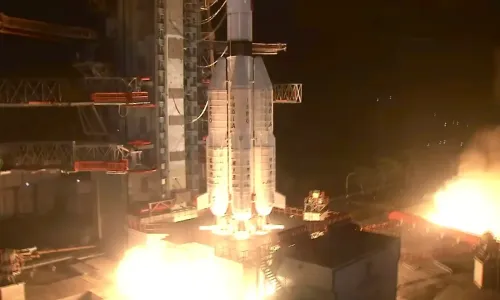
Uttarakhand CM Pushkar Singh Dhami congratulated ISRO on the GSLV-F18 launch of NVS-03, the third second-generation NavIC satellite, calling it a landmark for India's indigenous navigation capabilities and Atmanirbhar Bharat resolve.
Key Takeaways
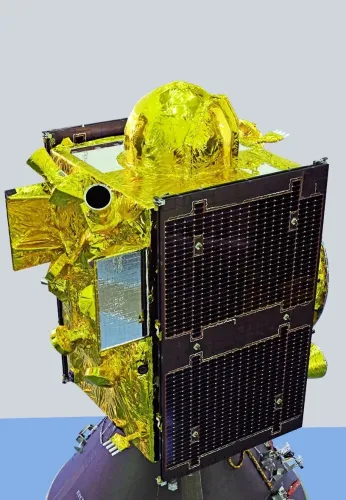
NVS-03 is the third satellite in ISRO's second-generation NavIC series, launched aboard the GSLV-F18 rocket.
CM Pushkar Singh Dhami congratulated ISRO scientists and described the launch as a reinforcement of India's self-reliance in space technology.
The NavIC system, operational since 2016 , covers India and a 1,500 km radius , serving defence, maritime, and civilian users.
The second-generation NVS series began with NVS-01 in May 2023 and adds an L1 civil signal for wider smartphone compatibility.
Completing the full seven-satellite NVS constellation remains the key next milestone for ISRO's navigation programme.
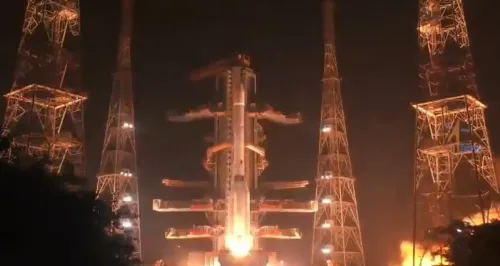
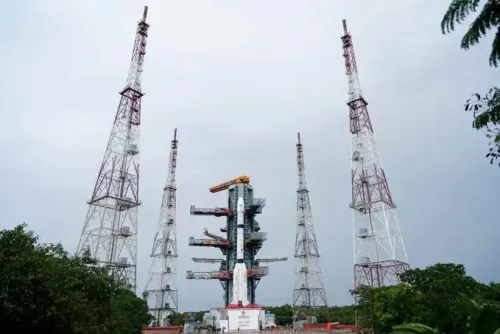
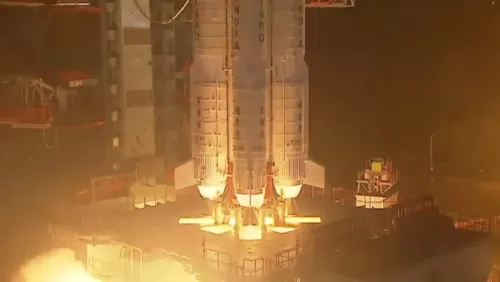
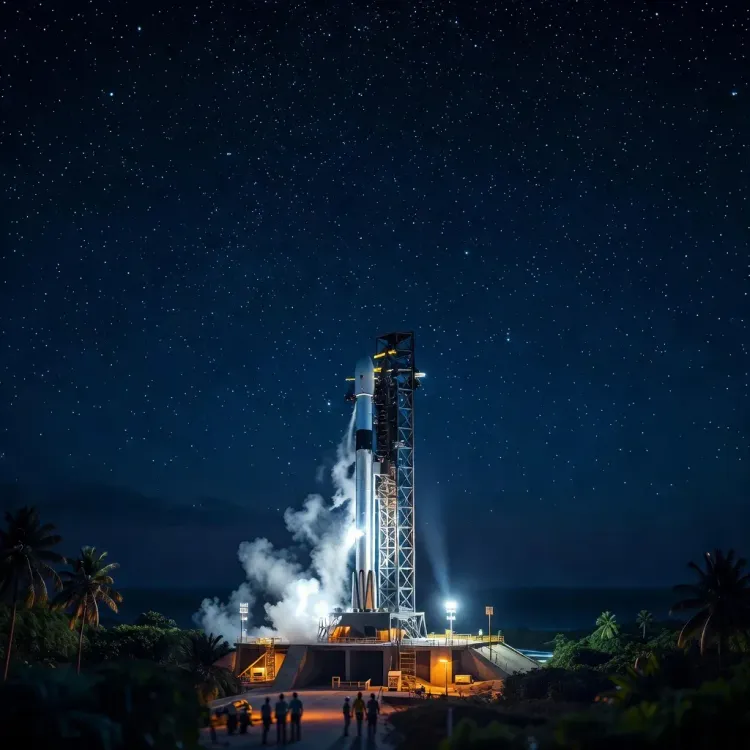
India's homegrown navigation constellation just got a powerful new node — and the country's scientific community is earning fresh applause for it. Uttarakhand Chief Minister Pushkar Singh Dhami took to X on Saturday, 31 October 2026, to congratulate ISRO's scientists and the entire team behind the successful launch of the NVS-03 navigation satellite aboard the GSLV-F18 rocket.
In his post, CM Dhami wrote — 'GSLV-F18 ke madhyam se NVS-03 navigation satellite ke safal prakshepa par ISRO ke sabhi vaigyanikon va poori team ko hardik badhai' — 'Heartfelt congratulations to all ISRO scientists and the entire team on the successful launch of the NVS-03 navigation satellite via GSLV-F18.' He described the achievement as one that 'gives new strength to India's resolve for indigenous space technology, scientific capability, and self-reliance,' and called the mission 'an important achievement for the country in the direction of strengthening the NavIC system.'
What NVS-03 Adds to India's Navigation Grid
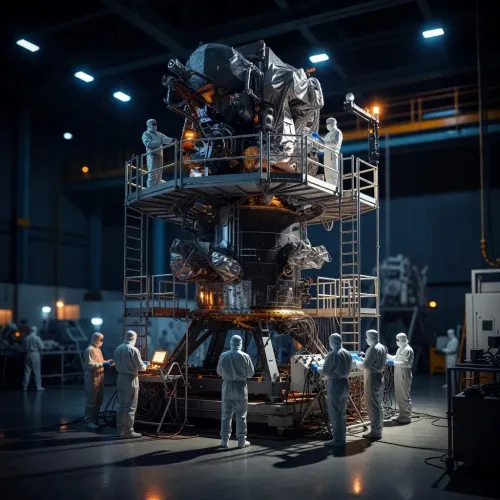
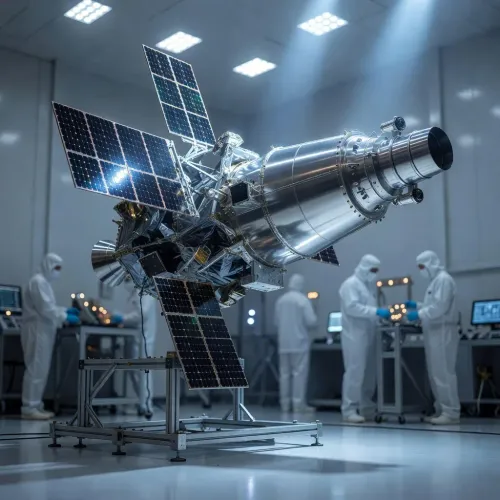
NavIC — Navigation with Indian Constellation — is India's answer to America's GPS, Russia's GLONASS, and China's BeiDou. Conceived in 2006 and declared operationally ready by 2016 after the launch of the first satellite, IRNSS-1A, in July 2013, the system provides positioning and timing services across India and a 1,500 km radius around the subcontinent. NVS-03 is the third satellite in the second-generation NavIC series — the NVS constellation — designed to replace ageing first-generation IRNSS satellites and significantly upgrade the system's signal quality and coverage.
The second-generation push began with NVS-01, launched aboard a GSLV in May 2023. Each NVS satellite carries an L1 civil signal in addition to the signals its predecessors broadcast, a change that unlocks compatibility with mass-market devices and potentially brings NavIC to hundreds of millions of smartphones. NVS-03 extends that build-out, moving the constellation closer to the full seven-satellite operational configuration that will give India complete, redundant navigation autonomy.
Strategic Stakes: Why an Independent Nav System Matters
The case for NavIC has always been as strategic as it is technical. India's dependence on foreign GPS signals — which can, in theory, be degraded or denied by their operators during a conflict — has long concerned defence planners. NavIC directly addresses that vulnerability for the Indian Armed Forces, maritime operators in the Indian Ocean Region, and civilian infrastructure from banking to disaster management that relies on precision timing.
The Atmanirbhar Bharat (self-reliant India) framework has provided fresh political momentum and funding priority for exactly these kinds of indigenous capability projects. ISRO's steady cadence of NavIC launches is both a technical programme and a symbol of that larger ambition — an ambition CM Dhami's post explicitly invokes, calling the launch a reinforcement of India's 'sankalp' (resolve) for self-reliance in space.
The Road to a Complete Constellation
With NVS-03 in orbit, attention turns to the remaining NVS-series satellites needed to complete the refreshed seven-satellite grid. Policymakers and industry are also watching for government directives that would mandate or incentivise NavIC signal integration in smartphones sold in India — a move that would transform the system from a strategic asset into an everyday utility used by ordinary citizens navigating city streets or tracking deliveries.
Every successful GSLV mission also builds the launch-vehicle reliability record that underpins India's broader commercial and scientific spaceflight ambitions. ISRO's scientists, as CM Dhami's congratulations remind the country, are the engine behind all of it.
Point of View
NavIC could shift from a defence niche to a mass-market standard embedded in every Indian smartphone.
NationPress
31 Oct 2026
Frequently Asked Questions
What is the NVS-03 satellite and what is its purpose?
NVS-03 is the third satellite in ISRO's second-generation NavIC navigation series. It is designed to replace and upgrade older first-generation IRNSS satellites, improve signal quality, and move India closer to a complete, independent seven-satellite navigation constellation covering the subcontinent and a 1,500 km surrounding region.
What is NavIC and how is it different from GPS?
NavIC (Navigation with Indian Constellation) is India's own regional satellite navigation system, equivalent to America's GPS or China's BeiDou. It provides positioning and timing services over India and nearby regions and is controlled entirely by ISRO, giving India strategic independence from foreign navigation systems.
Why did CM Pushkar Singh Dhami congratulate ISRO for NVS-03?
Uttarakhand Chief Minister Pushkar Singh Dhami posted congratulations to ISRO's scientists on the successful GSLV-F18 launch of NVS-03, calling it a historic achievement that strengthens India's indigenous space technology and its commitment to self-reliance under the Atmanirbhar Bharat framework.
When did India's NavIC navigation system become operational?
India's NavIC system, initially known as IRNSS, was declared operationally ready in 2016, following the launch of the first satellite IRNSS-1A in July 2013. The second-generation NVS upgrade series began with NVS-01 in May 2023.