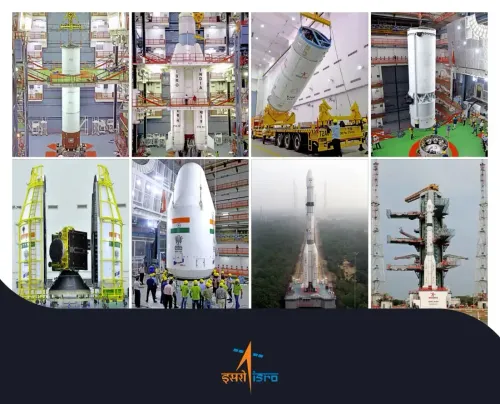
Dr. Jitendra Singh: GSLV-F18 to launch NVS-03 tonight
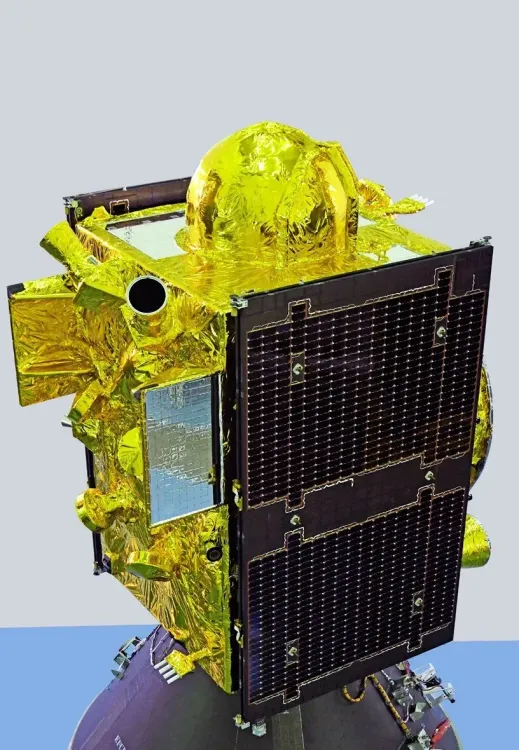
Synopsis
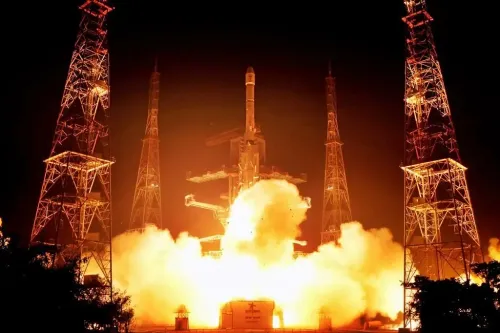
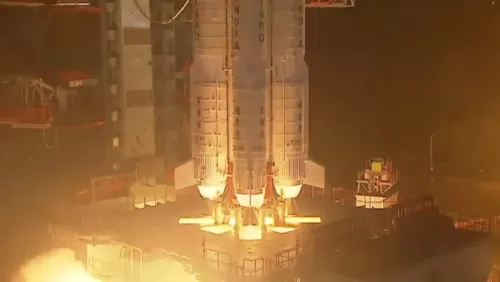
ISRO's GSLV-F18/NVS-03 lifts off tonight at 23:51 IST from Sriharikota, carrying the third second-generation NavIC satellite to bolster India's homegrown navigation system. Science Minister Dr. Jitendra Singh hailed it as a milestone in India's space journey.
Key Takeaways
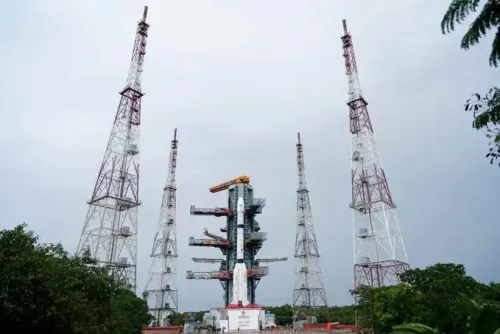
GSLV-F18/NVS-03 is scheduled for launch on 30 October 2026 at 23:51 hrs IST from Satish Dhawan Space Centre, Sriharikota .
NVS-03 is the third satellite in ISRO's second-generation NVS series, designed to augment and modernise the NavIC constellation.
NavIC provides regional satellite navigation covering India and up to 1,500 km beyond its borders , serving defence, maritime, aviation, and civilian users.
India's indigenous navigation programme dates to the launch of IRNSS-1A in July 2013 , with the NVS series representing the next-generation upgrade.
The mission advances India's strategic goal of reducing dependence on foreign systems such as the US GPS network.
Further NVS-series launches are expected to complete the second-generation constellation and deepen NavIC integration in aviation and maritime sectors.
India's indigenous navigation constellation gets a critical upgrade tonight. Union Science and Technology Minister Dr. Jitendra Singh announced on 30 October 2026 that ISRO's GSLV-F18/NVS-03 mission is set for liftoff at 23:51 hrs IST from the Satish Dhawan Space Centre (SDSC SHAR), Sriharikota — a launch that will directly strengthen India's ability to navigate its own skies, seas, and land without foreign systems.
NVS-03 and what it adds to NavIC
NVS-03 is the third satellite in the second-generation NVS (NavIC Vehicular Series) lineup. Its mission is precise: augment the existing NavIC constellation and ensure uninterrupted continuity of navigation services over the Indian subcontinent and surrounding regions. The second-generation series brings enhanced accuracy and extended operational longevity compared to the original IRNSS spacecraft — a meaningful leap from the constellation India began assembling with IRNSS-1A in July 2013.
NavIC — Navigation with Indian Constellation — is India's answer to GPS. A seven-satellite constellation providing positioning, navigation, and timing services, it covers the subcontinent and an area roughly 1,500 km beyond India's borders. Defence forces, fishing fleets, aviation, and civilian mapping applications all draw on it. Every new NVS satellite raises the ceiling on what it can deliver.
GSLV-F18: the rocket carrying the load
The Geosynchronous Satellite Launch Vehicle (GSLV) has been ISRO's workhorse for heavier payloads destined for geostationary and geosynchronous transfer orbits. The F18 configuration carries NVS-03 to a geosynchronous orbit — the precise slot from which navigation satellites watch over a fixed swath of the Earth around the clock. Sriharikota's location on India's southeastern coast gives GSLV missions a natural eastward trajectory over the Bay of Bengal, optimising the rocket's reach.
A decade-long bet on self-reliance paying off
India's push for an indigenous navigation system is rooted in a strategic calculation made in the 2010s: dependence on any foreign navigation architecture — including the United States' GPS — carries geopolitical risk. NavIC was the answer. The NVS series is the upgrade path that ensures the constellation stays modern, resilient, and sovereign. With each successive launch, the integration of NavIC signals into aviation, maritime, and road transport sectors deepens — reducing the last patches of foreign dependency in India's navigation map.
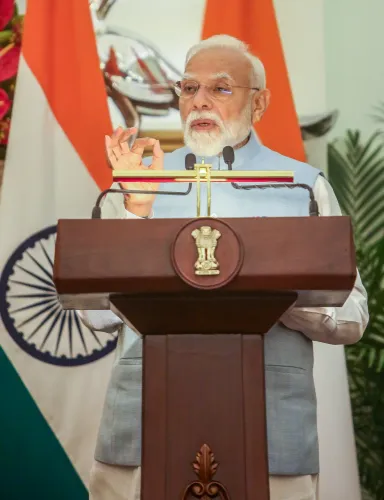
Minister Singh called the mission 'a significant step towards strengthening India's indigenous navigation capabilities' — and tonight's countdown at Sriharikota is exactly that: a ticking clock toward a more self-reliant India overhead.
Point of View
Which has woven 'Atmanirbhar Bharat' through its space, defence, and technology policy, a successful GSLV-F18 mission tonight reinforces a narrative of sovereign capability that carries both domestic and diplomatic weight. The deeper question is pace: how quickly can the full NVS constellation be operational, and when will NavIC signals become the default in Indian aviation and maritime systems?
NationPress
30 Oct 2026
Frequently Asked Questions
What is the GSLV-F18 NVS-03 mission?
GSLV-F18/NVS-03 is an ISRO launch mission carrying the NVS-03 satellite — the third in the second-generation NavIC Vehicular Series — to a geosynchronous orbit from Sriharikota on 30 October 2026 at 23:51 IST.
What is NavIC and why does India need it?
NavIC (Navigation with Indian Constellation) is India's indigenous regional satellite navigation system, providing positioning and timing services over the subcontinent and surrounding areas. India developed it to reduce strategic dependence on foreign systems like the US GPS.
What does NVS-03 do differently from older NavIC satellites?
NVS-03 belongs to the second-generation NVS series, which offers enhanced accuracy and greater operational longevity compared to the original IRNSS spacecraft, ensuring the constellation remains modern and resilient.
Where is Satish Dhawan Space Centre?
Satish Dhawan Space Centre (SDSC SHAR) is ISRO's primary launch complex located at Sriharikota on the southeastern coast of Andhra Pradesh, India.
When did India first launch a NavIC satellite?
India launched its first NavIC satellite, IRNSS-1A, in July 2013, marking the beginning of its indigenous regional navigation programme.