CM Dhami Engages Industry at Uttarakhand CSR Dialogue
Synopsis
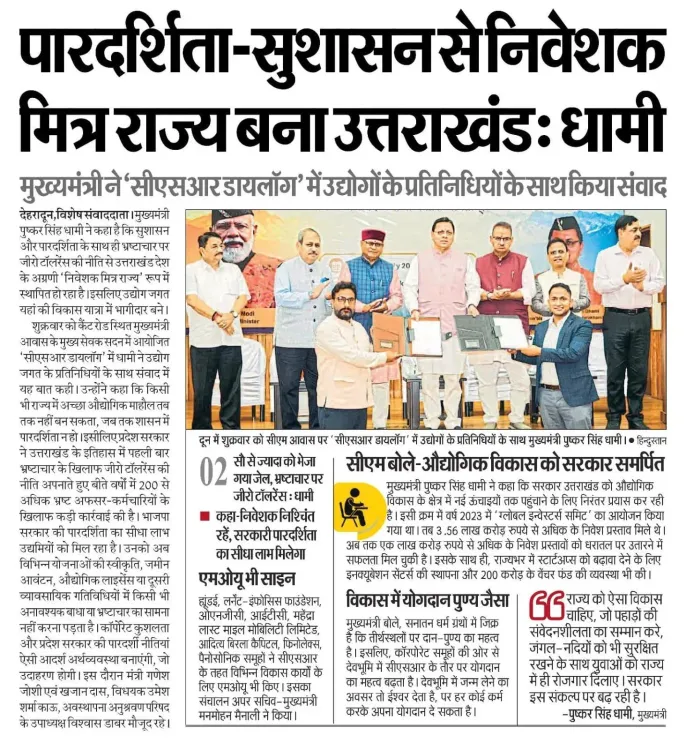
Chief Minister Pushkar Singh Dhami participated in the Uttarakhand CSR Dialogue on 11 July 2026, engaging corporate and industry representatives in direct conversation to align private-sector CSR investments with the Himalayan state's development priorities.
Key Takeaways
CM Pushkar Singh Dhami participated in the Uttarakhand CSR Dialogue programme on 11 July 2026 .
The event brought together representatives from the industrial and corporate sector for direct dialogue with the state government.
The Companies Act, 2013 mandates 2% of average net profits be spent on CSR, forming the legal basis for such state-level forums.
Uttarakhand faces hill-specific challenges — including disaster resilience and infrastructure gaps — that CSR funds can help address.
The dialogue is part of a broader pattern of the Dhami administration's public-private partnership outreach since 2021 .
Specific project commitments and follow-up policy actions from industry participants are the key outcomes to watch.
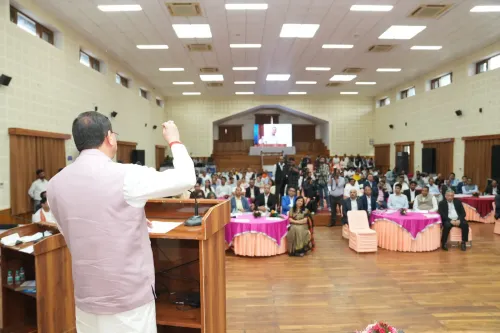
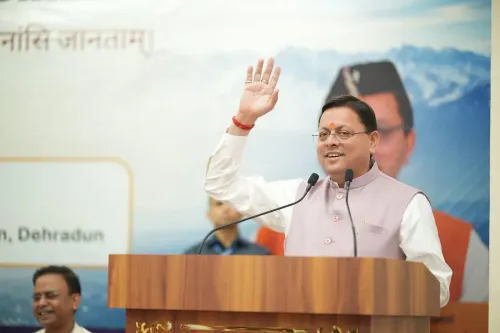
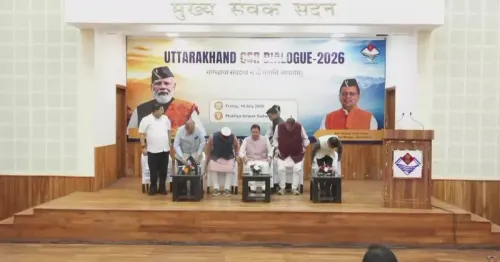
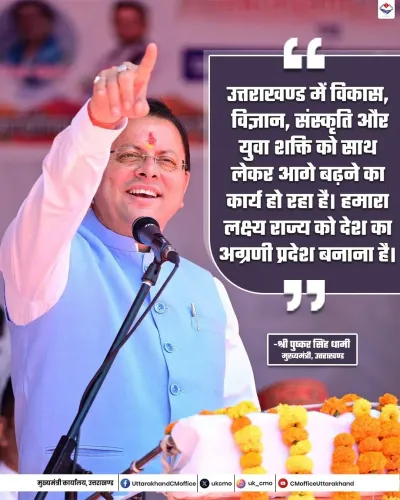
The Chief Minister's Office of Uttarakhand announced on Saturday, 11 July 2026 that Chief Minister Pushkar Singh Dhami participated in the Uttarakhand CSR Dialogue programme and held direct conversations with representatives from the corporate and industrial sector.
Context
The post from the official Chief Minister's Office account states that CM Dhami 'उद्योग जगत के प्रतिनिधियों के साथ किया संवाद' ('held dialogue with representatives of the industrial world') at the Uttarakhand CSR Dialogue event. The forum brought together business leaders and state officials to discuss how corporate social responsibility funds can be directed toward Uttarakhand's developmental priorities.
Such state-level CSR dialogues have become a standard instrument through which state governments engage the private sector on targeted spending. The event underscores CM Dhami's continued outreach to industry as part of his administration's investment and development agenda since taking office in 2021.
Policy Backdrop
The legal foundation for these dialogues is the Companies Act, 2013, which mandates that qualifying companies spend 2% of their average net profits on CSR activities. This provision created a structured pool of private capital that state governments can seek to channel toward local needs.
Uttarakhand, as a Himalayan state, faces hill-specific development challenges including fragile infrastructure, recurring natural disasters, and limited industrial base. State-level CSR forums serve as a mechanism to align corporate spending with these distinct regional requirements, spanning sectors such as education, health, environmental conservation, and disaster resilience.
Stakeholders and Impact
The primary beneficiaries of a productive CSR dialogue are Uttarakhand's local communities, particularly in remote hill districts where public infrastructure remains underdeveloped. Industry representatives attending such forums gain a clearer understanding of state priorities, enabling more targeted and impactful deployment of their mandatory CSR budgets.
For the Dhami government, the dialogue also serves a broader investment-promotion signal — demonstrating that the state administration is actively partnering with the private sector rather than treating CSR compliance as a purely regulatory obligation. This public-private alignment has been a recurring theme of BJP-led governance in Uttarakhand in recent years.
What's Next
The outcomes to watch from the Uttarakhand CSR Dialogue include announcements of specific project commitments by participating companies, any state policy updates on industrial partnerships, and follow-up mechanisms the government establishes to track CSR fund deployment. Concrete project announcements — in areas such as rural infrastructure, skill development, or environmental conservation — would indicate the tangible impact of the forum. The Dhami administration's ability to translate dialogue into on-ground implementation will be the key measure of success.
Point of View
The state signals that it views corporate social responsibility not merely as a compliance exercise but as a lever for targeted hill-region development. This fits a wider pattern across BJP-governed states of using structured industry dialogues to supplement public expenditure in areas where state budgets face constraints. The real test will be whether the forum produces binding commitments or remains a goodwill exercise.
NationPress
9 Oct 2026
Frequently Asked Questions
What is the Uttarakhand CSR Dialogue?
The Uttarakhand CSR Dialogue is a state government forum that brings together Chief Minister Pushkar Singh Dhami and industry representatives to discuss how corporate social responsibility funds can be directed toward Uttarakhand's specific development needs.
What did CM Dhami do at the CSR Dialogue on 11 July 2026?
CM Dhami participated in the event and held direct conversations with representatives from the corporate and industrial world, as announced by the official Chief Minister's Office of Uttarakhand.
What law governs CSR spending in India?
The Companies Act, 2013 mandates that qualifying companies spend 2% of their average net profits on CSR activities, creating the national framework that state-level dialogues like this one seek to leverage.
Why is CSR important for a state like Uttarakhand?
Uttarakhand is a Himalayan state with hill-specific challenges such as fragile infrastructure, recurring natural disasters, and limited industrial presence, making targeted CSR investment particularly valuable for local communities.
What outcomes should be watched after the Uttarakhand CSR Dialogue?
Key outcomes include specific CSR project commitments by participating companies, any new state policy on industrial partnerships, and mechanisms established to track the actual deployment of funds on the ground.