CM Dhami Honours Police Martyrs on Smriti Divas in Dehradun
Synopsis
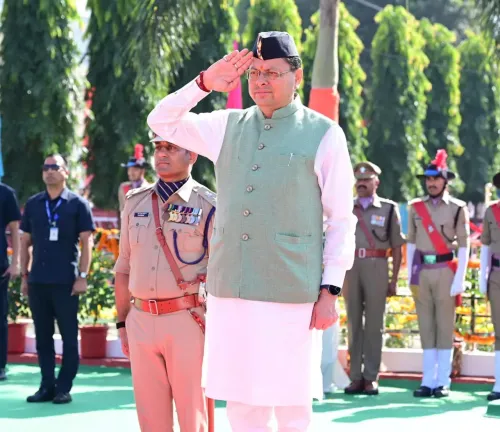
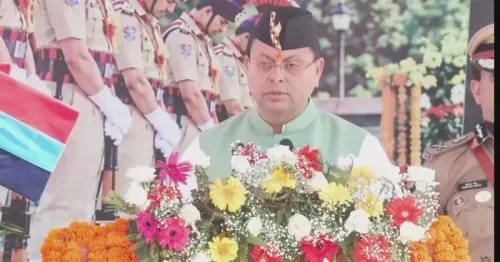
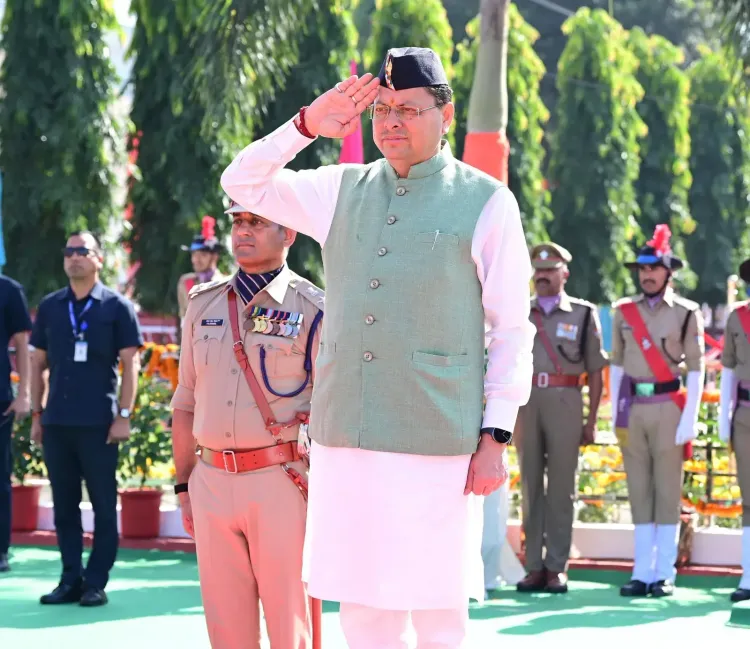
Uttarakhand CM Pushkar Singh Dhami paid tribute to police and paramilitary martyrs at a Police Smriti Divas ceremony in Dehradun on 21 October 2026, laying a floral wreath and honouring the families of fallen personnel.
Key Takeaways
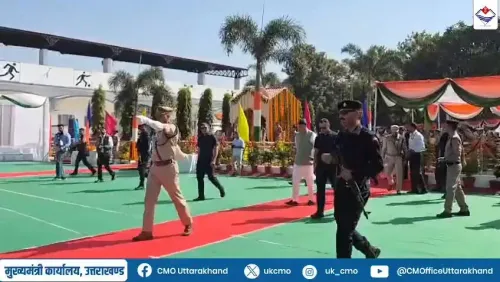
CM Pushkar Singh Dhami attended the Police Smriti Divas ceremony in Dehradun on 21 October 2026 .
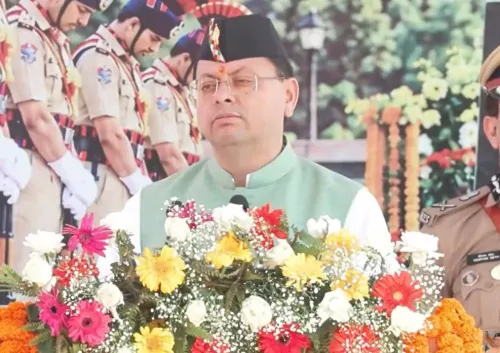
He laid a floral wreath in tribute to martyrs of police and paramilitary forces.
Families of the martyrs were formally felicitated at the event.
Police Commemoration Day has been observed on 21 October every year since 1960 , marking the 1959 Hot Springs, Ladakh ambush.
Uttarakhand shares borders with China and Nepal , lending particular significance to security-related commemorations in the state.
On a day India pauses to remember its fallen guardians, Uttarakhand Chief Minister Pushkar Singh Dhami laid a floral wreath at a solemn ceremony in Dehradun on 21 October 2026, honouring the memory of police and paramilitary personnel who gave their lives in service of the nation — and personally felicitated their families.
A Date Etched in Sacrifice: The 1959 Hot Springs Incident
Police Commemoration Day — observed nationally every 21 October — traces its origins to 1959, when a patrol of Indian police personnel was ambushed and killed at Hot Springs in Ladakh, then a contested frontier. The nation designated that date as Police Smriti Divas (Police Remembrance Day) in 1960, and the observance has continued uninterrupted for over six decades, anchoring the country's collective gratitude to the men and women in uniform.
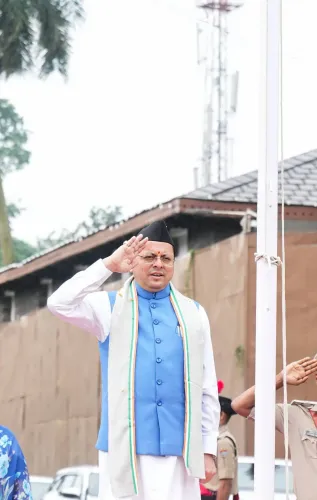
CM Dhami, attending the state-level function, offered a wreath — pushpachakra — to the martyrs and paid his respects to the bravehearts of both police and paramilitary forces, before honouring their next of kin in a formal felicitation.
Uttarakhand's Special Stake in Security Observances
The gesture carries particular resonance in Uttarakhand, a state that shares sensitive borders with both China and Nepal. Paramilitary and police deployments along these frontiers are a constant reality, and the state has seen its share of personnel make the ultimate sacrifice. For families of martyrs in the hill state, the chief minister's personal presence and the formal honouring of their kin is more than ceremony — it is institutional acknowledgement of an irreplaceable loss.
State leaders across India routinely attend such commemorations, but Uttarakhand's strategic geography lends the occasion a sharper edge. The annual ritual is also a moment when welfare announcements for martyrs' families are sometimes made at state and central levels.
Families at the Centre of the Ceremony
What distinguished the Dehradun event, as reflected in CM Dhami's post, was the explicit focus on parijanon ko sammanit karna — honouring the families of martyrs. Behind every name on a memorial roll is a household that bore the cost of national service. By placing their recognition at the heart of the ceremony, the event signalled that the state's tribute extends beyond the fallen to those who live with the loss every day.
The observation serves as an annual reminder that the security architecture of a border state like Uttarakhand rests on human sacrifice — and that keeping faith with martyrs' families is as much a governance commitment as it is a ceremonial one.
Point of View
Flanked by sensitive frontiers, the optics of the top executive honouring paramilitary families carries weight beyond symbolism. The focus on felicitating next of kin also reflects a wider national push to institutionalise welfare commitments to martyrs' families, moving remembrance from ceremony toward accountability. Consistent annual participation by state leaders keeps that commitment visible on the political calendar.
NationPress
21 Oct 2026
Frequently Asked Questions
What is Police Smriti Divas and why is it observed on 21 October?
Police Smriti Divas, or Police Commemoration Day, is observed on 21 October every year since 1960 to honour Indian police and paramilitary personnel killed in the line of duty. The date marks the 1959 Hot Springs incident in Ladakh, where a patrol of Indian police officers was ambushed and killed.
What did CM Pushkar Singh Dhami do on Police Smriti Divas 2026?
CM Dhami attended the Police Smriti Divas ceremony in Dehradun on 21 October 2026, laid a floral wreath to honour martyrs of police and paramilitary forces, and formally felicitated the families of fallen personnel.
Where was the Police Smriti Divas 2026 event in Uttarakhand held?
The event was held in Dehradun, the capital of Uttarakhand.
What was the 1959 Hot Springs incident that led to Police Commemoration Day?
In 1959, a patrol of Indian police personnel was ambushed and killed at Hot Springs in Ladakh. In 1960, the government designated 21 October as Police Commemoration Day in their memory, and the observance has continued annually since then.
Why does Police Smriti Divas hold special significance for Uttarakhand?
Uttarakhand shares sensitive international borders with both China and Nepal, resulting in significant police and paramilitary deployments. The state has a direct stake in honouring security personnel, making the chief minister's participation in Police Smriti Divas particularly meaningful.