CM Dhami pays tribute to Sardar Patel at Dehradun's Ghantaghar
Synopsis
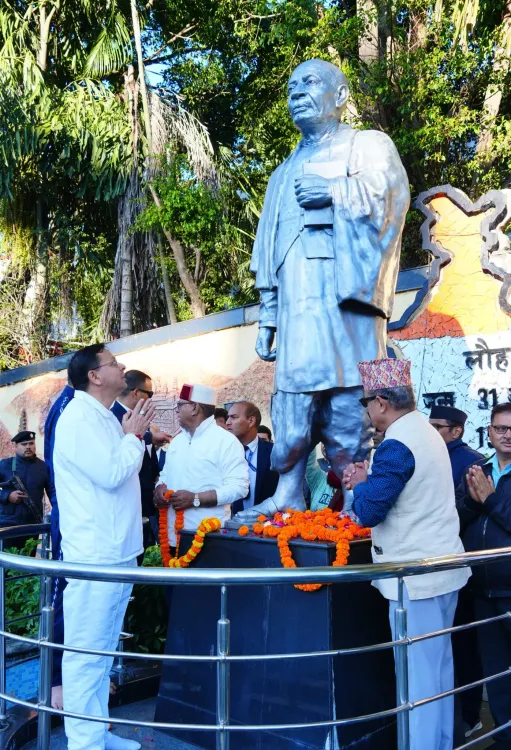
On Rashtriya Ekta Diwas, Uttarakhand CM Pushkar Singh Dhami paid floral tributes to Sardar Vallabhbhai Patel at Ghantaghar, Dehradun, honouring his role in integrating over 560 princely states and building a unified India.
Key Takeaways
CM Pushkar Singh Dhami offered floral tributes to Sardar Vallabhbhai Patel at the Ghantaghar statue in Dehradun on 31 October 2026 .
The occasion is Rashtriya Ekta Diwas (National Unity Day), observed on Patel's birth anniversary and declared a national day in 2014 .
Dhami credited Patel with integrating more than 560 princely states into the Indian Union after Independence.
Patel served as India's first Deputy Prime Minister and first Home Minister .
Cabinet Minister Khajan Das and Mayor Saurabh Thapliyal were among the dignitaries present.
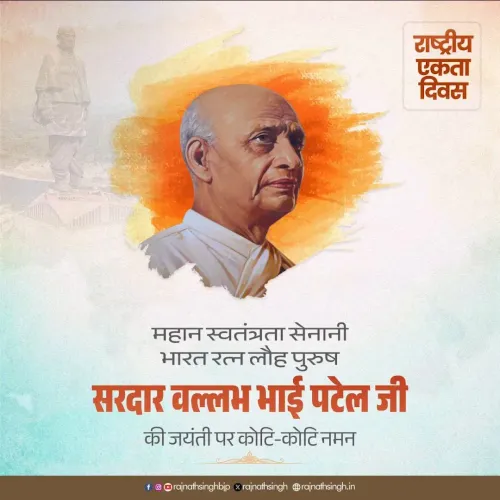
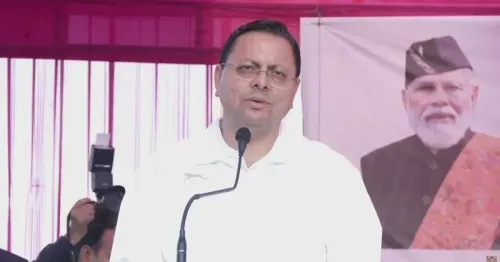
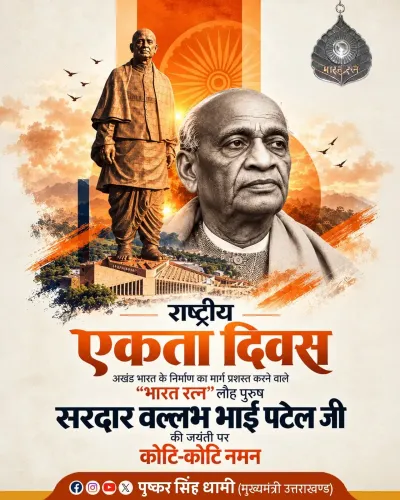
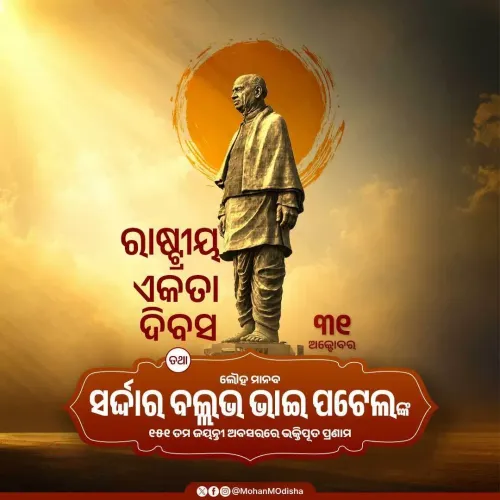
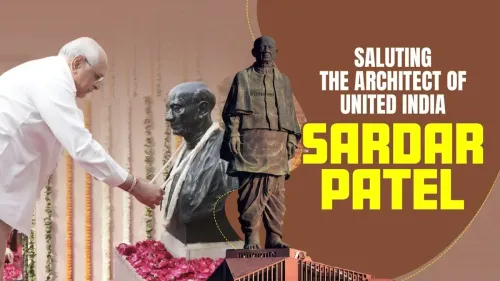
On Rashtriya Ekta Diwas, Uttarakhand Chief Minister Pushkar Singh Dhami stood before the statue of Bharat Ratna Sardar Vallabhbhai Patel at Ghantaghar, Dehradun, and offered floral tributes to the man who stitched a fractured subcontinent into a single nation.
A salute at Ghantaghar on India's Unity Day
The Chief Minister's Office of Uttarakhand posted on 31 October 2026 that CM Dhami garlanded Sardar Patel's statue and recalled his unparalleled contribution to nation-building. In his address, Dhami said that Patel's 'sampurna jeevan' (entire life) was dedicated to the unity, integrity, and sovereignty of the country. Cabinet Minister Khajan Das, Mayor Saurabh Thapliyal, and other dignitaries were present at the event.
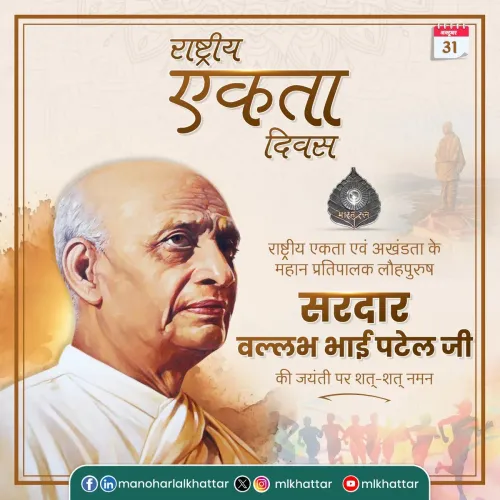
The occasion is Rashtriya Ekta Diwas — National Unity Day — observed every year on 31 October, the birth anniversary of Sardar Patel. The Government of India designated the day in 2014 to institutionalise memory of Patel's defining role in post-Independence India.
The man who unified over 560 princely states
CM Dhami specifically invoked the number that defines Patel's legacy: the integration of more than 560 princely states into the Indian Union after 1947. 'With his iron will, foresight, and skilled leadership, Sardar Patel played a historic role in integrating the princely states and building an undivided India,' the Chief Minister said.
Dhami also recalled Patel's twin roles as India's first Deputy Prime Minister and first Home Minister — offices from which he shaped the administrative and territorial architecture of modern India. 'Every Indian will always remember Sardar Patel's work in these roles,' Dhami added.
BJP states and the annual Unity Day ritual
The tribute at Dehradun's Ghantaghar is part of a well-established national pattern: state chief ministers, particularly in BJP-governed states, mark 31 October with public homage at local Patel statues, embedding themes of sovereignty and national integration into the annual political calendar. The ritual underlines how Patel's legacy has become a recurring touchstone for the ruling party's public messaging on national unity.
For Uttarakhand, a state whose own identity is rooted in the reorganisation of Indian territory — it was carved out of Uttar Pradesh in 2000 — the themes of integration and administrative will carry particular resonance.
India's Iron Man unified a continent-sized country from its fragments. Seventy-nine years on, that act of political architecture is still being invoked — and still carries weight.
Point of View
With chief ministers across states using the occasion to publicly align with Patel's legacy of strong central authority and territorial consolidation. For CM Dhami, performing the tribute at Dehradun's Ghantaghar — a central public landmark — amplifies local visibility on a nationally significant day. The emphasis on the '560 princely states' figure is not incidental; it anchors a recurring BJP narrative about decisive governance and national integration. Over successive years, the consistency of this messaging signals that Patel's legacy will remain a live political asset, not merely a historical footnote.
NationPress
31 Oct 2026
Frequently Asked Questions
What is Rashtriya Ekta Diwas and why is it observed on 31 October?
Rashtriya Ekta Diwas, or National Unity Day, is observed on 31 October every year to mark the birth anniversary of Sardar Vallabhbhai Patel . The Government of India declared the day in 2014 to honour Patel's role in integrating over 560 princely states into the Indian Union after Independence.
Where did CM Dhami pay tribute to Sardar Patel in 2026?
CM Pushkar Singh Dhami paid floral tributes at the statue of Bharat Ratna Sardar Vallabhbhai Patel located at Ghantaghar (Clock Tower), Dehradun , on 31 October 2026 .
How many princely states did Sardar Patel integrate into India?
Sardar Vallabhbhai Patel played a decisive role in integrating more than 560 princely states into the Indian Union after Independence in 1947, earning him the title of 'Iron Man of India'.
What positions did Sardar Patel hold in independent India?
Sardar Vallabhbhai Patel served as India's first Deputy Prime Minister and first Home Minister after Independence, roles from which he shaped the country's administrative and territorial foundations.
Who else attended the Rashtriya Ekta Diwas programme in Dehradun with CM Dhami?
Cabinet Minister Khajan Das and Dehradun Mayor Saurabh Thapliyal were among the dignitaries present alongside CM Pushkar Singh Dhami at the tribute event at Ghantaghar.