CM Dhami pays tribute to Pingali Venkayya on flag designer's birth anniversary
Synopsis
Uttarakhand CM Pushkar Singh Dhami honoured Pingali Venkayya on his birth anniversary, calling the tricolour he designed an immortal symbol of India's identity and unity. Venkayya's flag design was adopted by the Constituent Assembly on 22 July 1947.
Key Takeaways
Uttarakhand CM Pushkar Singh Dhami paid tribute to Pingali Venkayya on his birth anniversary, 2 August 2026 .
Dhami called the tricolour 'an immortal symbol of India's identity, unity, self-respect, and national strength.' Pingali Venkayya was born on 2 August 1879 and designed the Indian national flag adopted by the Constituent Assembly on 22 July 1947 .
Venkayya died in 1963 ; a commemorative postage stamp was issued in his honour in 2009 .
Annual tributes to Venkayya on his birth anniversary are observed across party lines, reflecting the flag's status as a unifying national symbol.
Calls for a posthumous Bharat Ratna for Venkayya remain pending as of 2026.
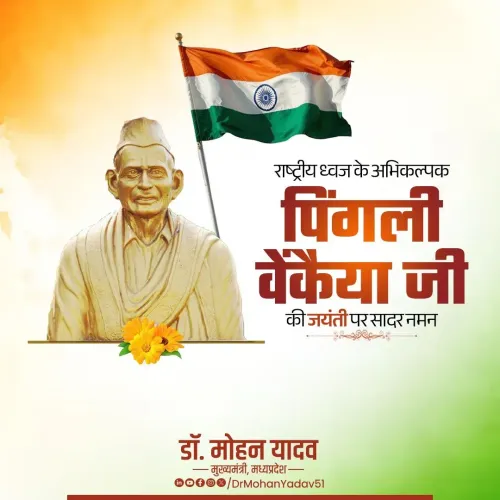
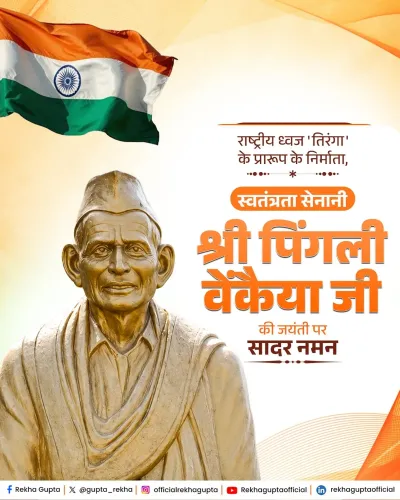
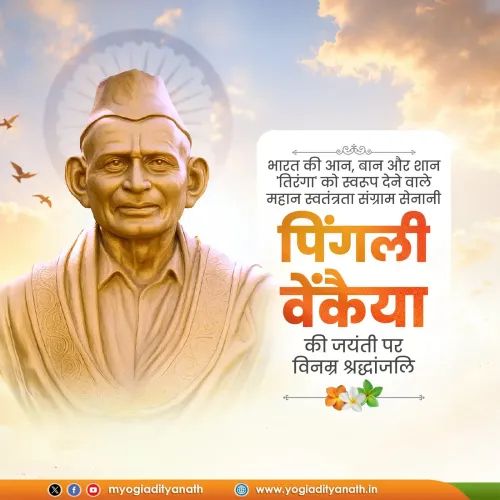
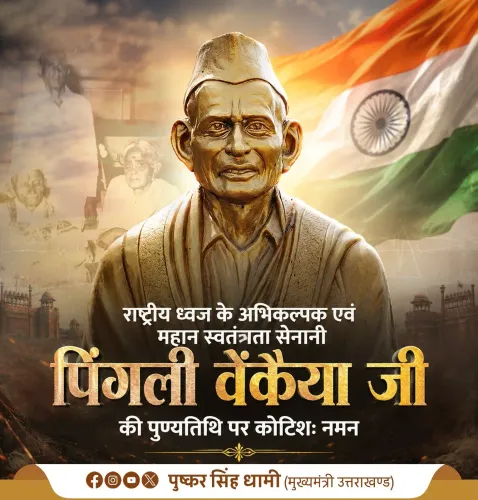
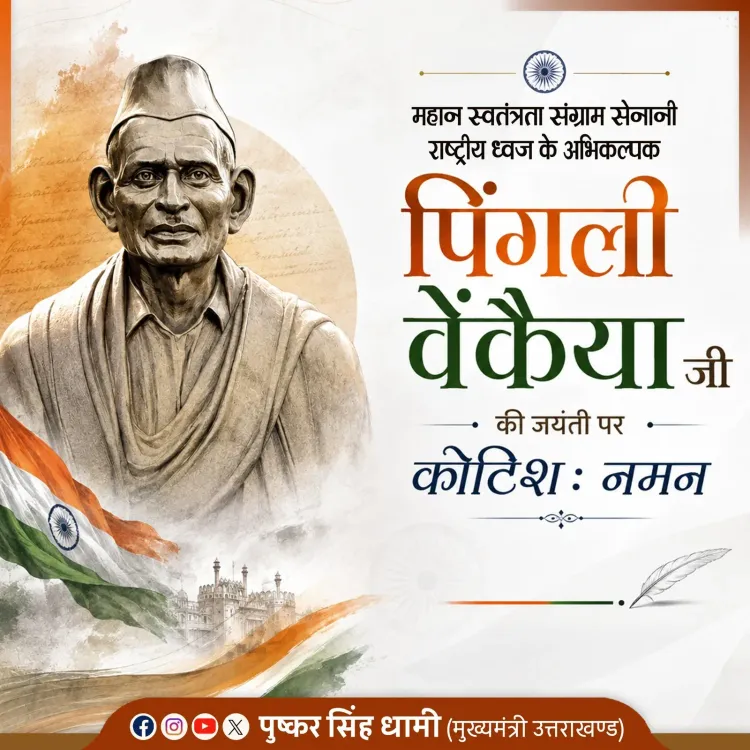
The man who gave India its tricolour was born on 2 August 1879 — and nearly eight decades after his design became the nation's flag, leaders across the country still pause to honour him. Uttarakhand Chief Minister Pushkar Singh Dhami marked Pingali Venkayya's birth anniversary on Sunday, 2 August 2026, offering a tribute on X that called the tricolour 'not merely a flag, but an immortal symbol of India's identity, unity, self-respect, and national strength.'
In his post, CM Dhami described Venkayya as a 'great freedom fighter and designer of the national flag' (rashtradhwaj ke abhikalpaak mahan swatantrata senani), adding that his life — 'filled with patriotism and dedication' — would continue to inspire every Indian toward national service.
The man behind the tricolour
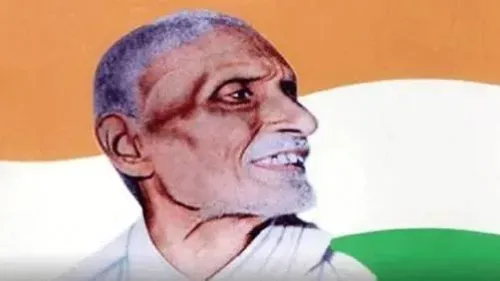
Pingali Venkayya, born in Bhatlapenumarru, Andhra Pradesh, was a polymath freedom fighter, agriculturist, and geologist who became consumed by the idea of a unifying flag for India. After years of advocacy and multiple design iterations, his proposal — featuring the now-iconic saffron, white, and green horizontal bands — was taken up and refined. The Constituent Assembly formally adopted the tricolour on 22 July 1947, just weeks before Independence, as India's national flag. The Ashoka Chakra, a navy-blue 24-spoke wheel, replaced the original spinning wheel at the centre.
Venkayya died in 1963, decades before the full weight of his contribution was officially recognised. India issued a commemorative postage stamp in his honour in 2009, and calls for a Bharat Ratna — the country's highest civilian award — have surfaced periodically, though the honour has not yet been conferred.
A ritual of remembrance across party lines
Tributes to Venkayya on his birth anniversary have become a near-universal ritual in Indian political life, with chief ministers, Union ministers, and Members of Parliament from across the spectrum posting homages on 2 August each year. The practice reflects the flag's unique status as one of the few symbols that transcends political division — every party claims the tricolour, and by extension, its designer.
For CM Dhami, the tribute also fits a broader pattern of the BJP's sustained emphasis on national symbols and freedom-era figures as touchstones of governance messaging. The tricolour gained renewed public salience after the 'Har Ghar Tiranga' campaign, launched ahead of India's 75th Independence Day in 2022, urged citizens to hoist the flag at their homes — a drive that brought Venkayya's legacy back into mainstream conversation.
The tricolour flies over every institution of the Republic. The man who sketched it first deserves to be remembered by name — and on his birthday, at least, he is.
Point of View
But they also reflect a deliberate cultivation of national-symbol narratives that the BJP has leaned into since the 'Har Ghar Tiranga' campaign of 2022. CM Dhami's post is ceremonial in form yet carries quiet political weight — associating the ruling party with the foundational imagery of the Republic. The recurring demand for a posthumous Bharat Ratna for Venkayya remains unaddressed, making each anniversary tribute a reminder of that pending recognition. Whether commemoration eventually translates into formal state honour is the live question beneath the ritual.
NationPress
2 Aug 2026
Frequently Asked Questions
Who was Pingali Venkayya?
Pingali Venkayya was an Indian freedom fighter born on 2 August 1879 in Andhra Pradesh who designed the Indian national flag. The Constituent Assembly adopted his tricolour design on 22 July 1947, weeks before Independence.
When did Pingali Venkayya design the Indian flag?
Venkayya worked on flag designs over several years during the independence movement. The version based on his design was formally adopted as India's national flag by the Constituent Assembly on 22 July 1947.
Has Pingali Venkayya received the Bharat Ratna?
As of 2026, Pingali Venkayya has not been awarded the Bharat Ratna. Calls for conferring India's highest civilian honour on him posthumously have been made periodically but have not been acted upon.
Why did CM Dhami post about Pingali Venkayya?
Uttarakhand Chief Minister Pushkar Singh Dhami posted a tribute on 2 August 2026 to mark Pingali Venkayya's birth anniversary, a date when Indian political leaders across parties traditionally honour the flag designer.
What is the significance of the tricolour Pingali Venkayya designed?
The tricolour — with saffron, white, and green bands and the Ashoka Chakra at its centre — is India's national flag and represents the country's identity, unity, and sovereignty. It flies over every constitutional institution in the Republic.