CM Bhajanlal Sharma launches ₹33 cr sandalwood project in Udaipur
Synopsis
Chief Minister Bhajanlal Sharma launched Rajasthan's state-level Van Mahotsav in Udaipur on 2 August 2026, inaugurating a ₹33 crore sandalwood plantation project, initiating drone seeding, and distributing ₹6 crore in livelihood grants to 600 self-help groups across 13 districts.
Key Takeaways
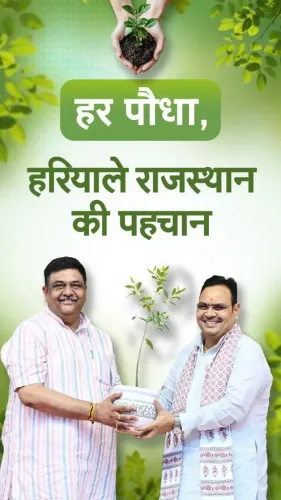
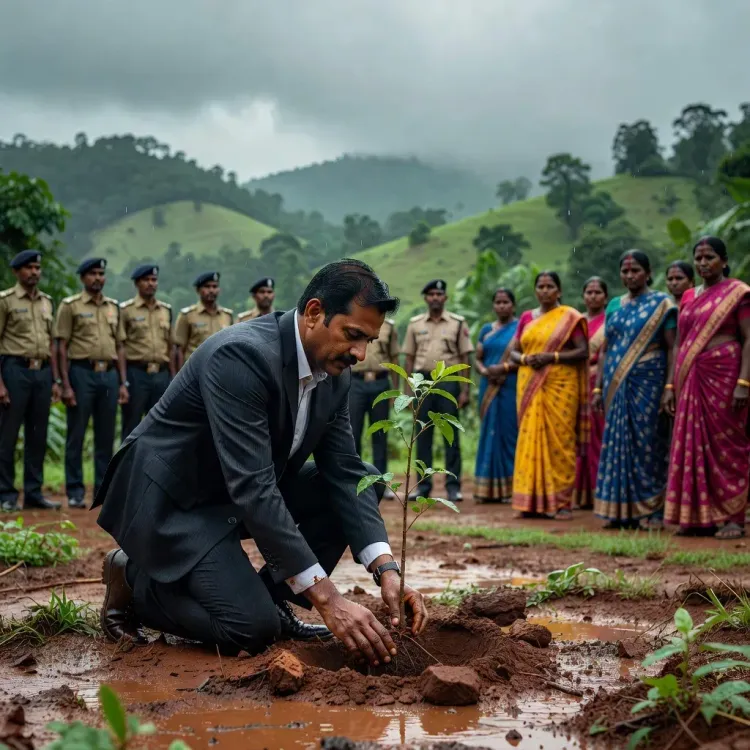
₹33 crore Chandan Van Pariyojana launched at Doodhtlai Forest Range, Udaipur, with CM Bhajanlal Sharma planting the inaugural sandalwood sapling.
600 self-help groups across 13 districts received symbolic cheques totalling ₹6 crore under the Rajasthan Forestry and Biodiversity Project.
A drone seeding process was also inaugurated at the event, combining technology with traditional plantation drives.
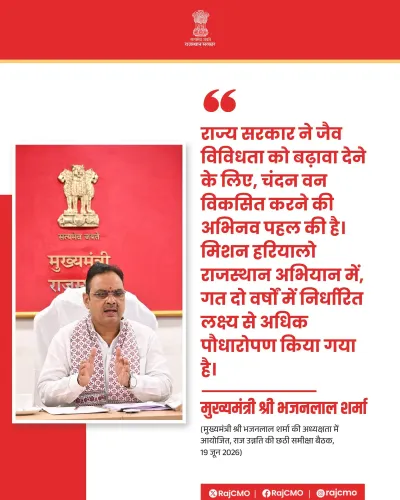
CM Sharma called on all Rajasthan residents to plant trees this monsoon under the national 'Ek Ped Maa Ke Naam' campaign and Mission Hariyalo Rajasthan .
After the ceremony, Sharma took an unscheduled walk through Udaipur's market, interacting with elderly citizens and children.
Van Mahotsav, first launched nationally in 1950 by K.M.
Munshi , continues as Rajasthan's annual platform for large-scale afforestation.
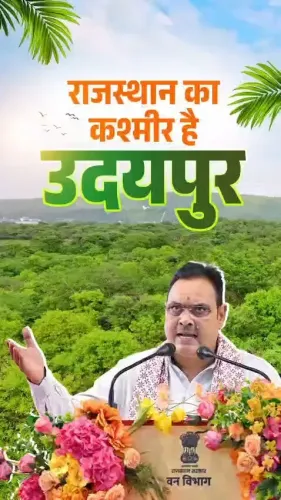
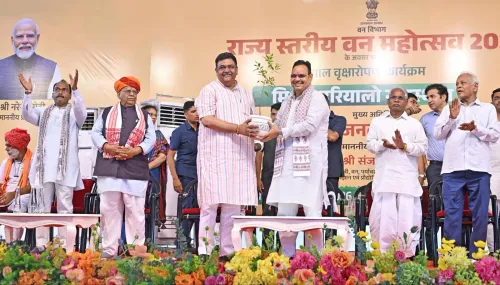
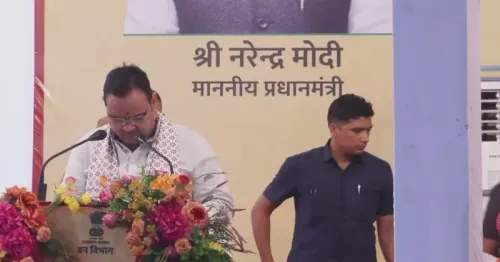
A sandalwood sapling planted by a Chief Minister can carry more weight than it looks. Chief Minister Bhajanlal Sharma on Sunday, 2 August 2026 inaugurated the state-level Van Mahotsav at Doodhtlai Forest Range, Udaipur, kicking off a ₹33 crore Chandan Van (Sandalwood Forest) Project with a symbolic planting — and then walked Udaipur's busy market lanes, stopping to check on elderly residents and greet children.
A ₹33 crore bet on sandalwood in the Aravallis
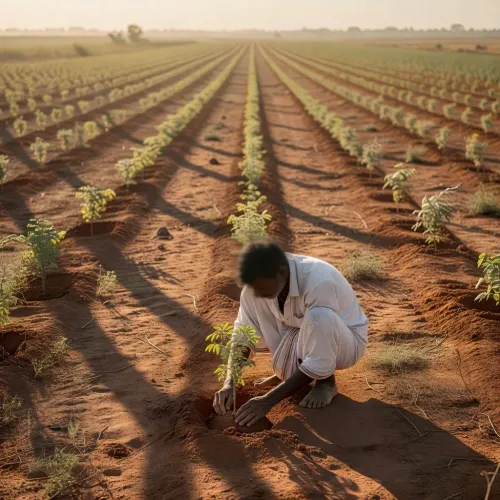
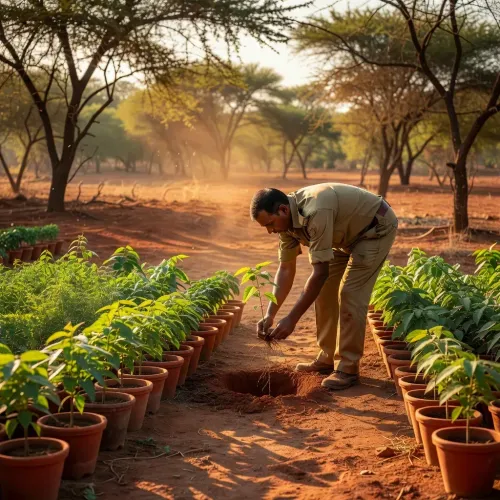
The centrepiece of the day was the Chandan Van Pariyojana, a sandalwood plantation drive to be executed within the Doodhtlai Forest Range. Sandalwood is among India's most commercially and ecologically valuable tree species, and a dedicated state-level project of this scale signals Rajasthan's intent to diversify its forest cover beyond conventional species. The CM also launched a drone seeding process at the site and inspected the forest area through binoculars from a watch tower — a nod to the government's push to blend technology with traditional forestry.
Before the main ceremony, Sharma toured an exhibition on sandalwood trees, forest produce, and the state's Panch Gaurav identity pillars.
₹6 crore to 600 self-help groups across 13 districts
The event was not only about trees. Sharma handed over symbolic cheques worth a combined ₹6 crore as livelihood incentive grants to 600 self-help groups (SHGs) spread across 13 districts, under the Rajasthan Forestry and Biodiversity Project. The grants are designed to tie local communities — particularly women in SHGs — directly to the health of their surrounding forests, giving them a financial stake in conservation outcomes.
'Ek Ped Maa Ke Naam' and Mission Hariyalo Rajasthan
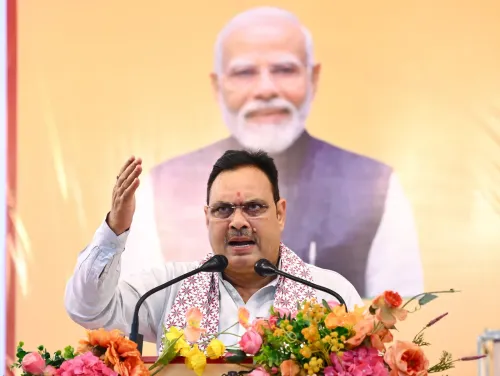
From the dais, Sharma urged every resident of Rajasthan to plant as many saplings as possible this monsoon season under the 'Ek Ped Maa Ke Naam' (One Tree in Mother's Name) campaign — a nationally-driven plantation drive — and to contribute actively to Mission Hariyalo Rajasthan, the state's flagship afforestation programme. The monsoon window is critical: survival rates of newly planted saplings are highest during the July–September wet season, making the timing of the Van Mahotsav deliberate.
After the formal programme, the Chief Minister's unscripted walk through Udaipur's market — pausing for conversations with senior citizens and ruffling children's hair — added a distinctly human frame to what was otherwise a policy-heavy afternoon.
Van Mahotsav itself is no new invention: the annual tree-planting festival was launched nationally in 1950 by K.M. Munshi, and Rajasthan has held state-level editions periodically ever since. What changes each cycle is the ambition — and a ₹33 crore sandalwood corridor, backed by drone seeding and SHG livelihood grants, marks a clear step up in that ambition.
The real test arrives in the months ahead: whether the saplings planted today — by machine, by hand, and by the Chief Minister himself — survive long enough to become the forest Rajasthan is promising its people.
Frequently Asked Questions
What is the Chandan Van Pariyojana in Rajasthan?
The Chandan Van Pariyojana is a ₹33 crore sandalwood plantation project launched by CM Bhajanlal Sharma at the Doodhtlai Forest Range in Udaipur during the state-level Van Mahotsav on 2 August 2026.
What is Mission Hariyalo Rajasthan?
Mission Hariyalo Rajasthan is the state government's flagship afforestation and greenery promotion programme, aimed at significantly expanding Rajasthan's green cover through large-scale plantation drives.
What is 'Ek Ped Maa Ke Naam'?
'Ek Ped Maa Ke Naam' — meaning 'One Tree in Mother's Name' — is a national tree plantation campaign encouraging citizens to plant a tree as a tribute to their mothers, especially during the monsoon season.
How much money was given to self-help groups at the Udaipur Van Mahotsav?
CM Bhajanlal Sharma distributed symbolic cheques worth a total of ₹6 crore to 600 self-help groups across 13 districts under the Rajasthan Forestry and Biodiversity Project.
When was Van Mahotsav first started in India?
Van Mahotsav was launched nationally in 1950 by K.M. Munshi , then Union Minister for Agriculture and Food, as an annual week-long tree-planting festival to promote forest conservation across India.