CM Bhajan Lal Launches Van Mahotsav, Plants Sandalwood in Udaipur
Synopsis
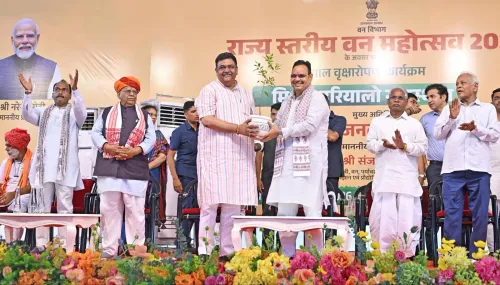
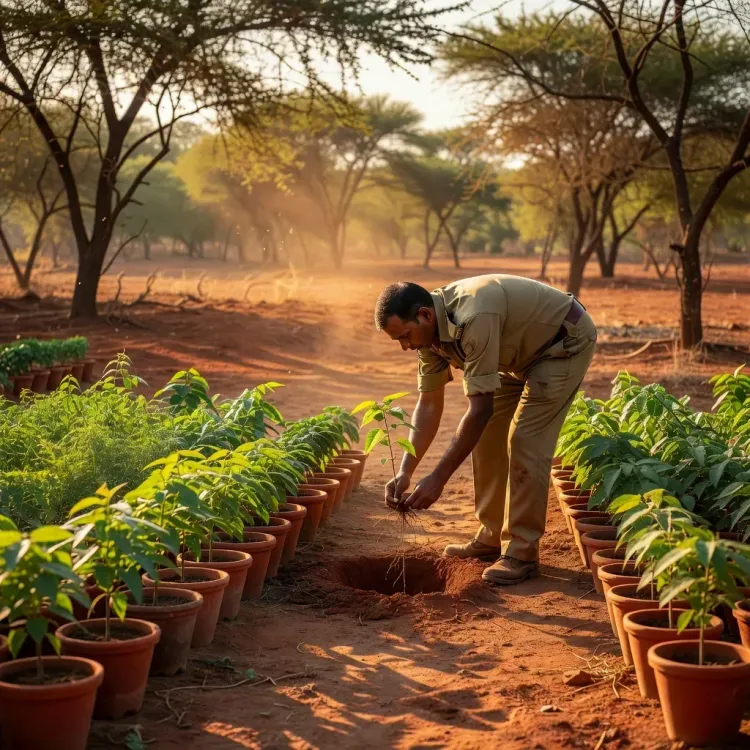
Rajasthan CM Bhajan Lal Sharma inaugurated the State-Level Van Mahotsav at Udaipur's Dudh Talai on 1 August 2026, planting saplings in a new sandalwood forest. Around 2,100 trees were planted across Udaipur, Sirohi, Banswara, and Pratapgarh under the 'Hariyalo Rajasthan' mission.
Key Takeaways
Rajasthan CM Bhajan Lal Sharma launched the State-Level Van Mahotsav at Dudh Talai, Udaipur on 1 August 2026 .
Approximately 2,100 saplings were planted during the event.
The government is developing Chandan Van (sandalwood forests) in four districts: Udaipur, Sirohi, Banswara, and Pratapgarh .
The event is anchored to the 'Hariyalo Rajasthan' mission and the national 'Ek Ped Maa Ke Naam' campaign.
An exhibition on the Panch Gaurav Yojana and environmental conservation was also reviewed by the CM.
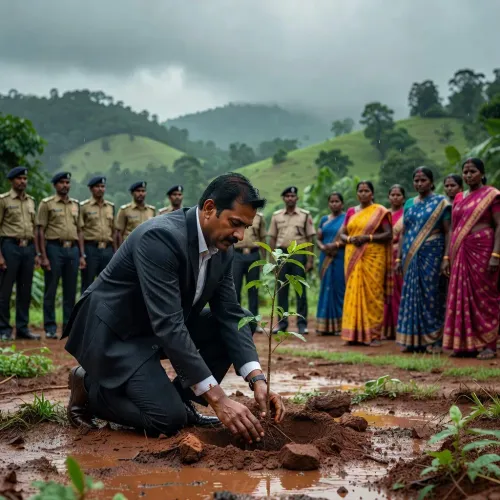
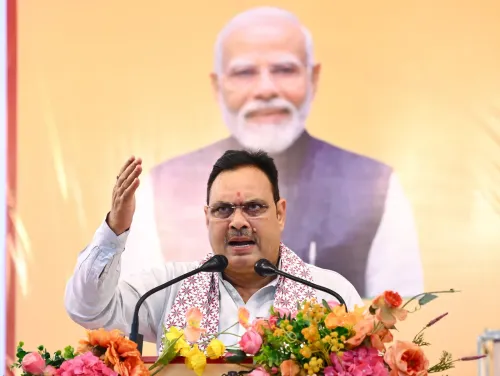
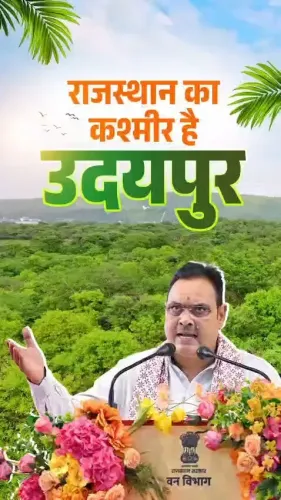
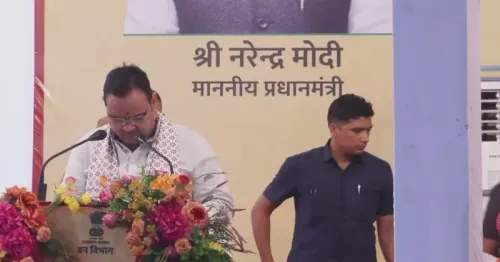
On the banks of Pichola lake in Udaipur, Rajasthan Chief Minister Bhajan Lal Sharma launched the state's flagship Van Mahotsav on Saturday, 1 August 2026 — planting saplings in a newly designated Chandan Van (sandalwood forest) and signalling a green push that stretches well beyond a single ceremonial afternoon.
2,100 Saplings and a Sandalwood Bet on Southern Rajasthan
The State-Level Van Mahotsav at Dudh Talai forest area saw approximately 2,100 saplings planted in a single drive. The headline species is sandalwood — a high-value, slow-growing tree that the state government is cultivating across four designated districts: Udaipur, Sirohi, Banswara, and Pratapgarh. These are southern Rajasthan's tribal heartlands, where the ecological and economic logic of sandalwood converges: the tree suits the terrain, and its eventual yield could generate livelihoods for forest-fringe communities.
Sharma also reviewed an exhibition tied to the Panch Gaurav Yojana, the state government's initiative linking environmental conservation to broader development goals, though specific outcomes of the scheme remain under active rollout.
'Hariyalo Rajasthan' — Greening an Arid State
The Chief Minister framed the event around the government's declared mission of 'Hariyalo Rajasthan' — 'Green Rajasthan' — a slogan that carries real weight in a state where desertification is a live, recurring threat. Rajasthan's annual Van Mahotsav tradition stretches back decades, but the current administration has sharpened its focus on species selection and geographic clustering rather than dispersed, symbolic planting.
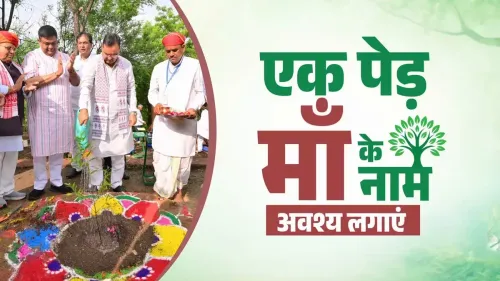
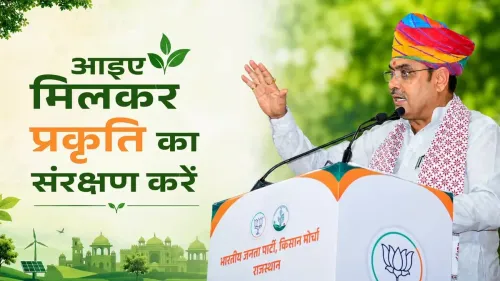
Sharma invoked the national 'Ek Ped Maa Ke Naam' ('One Tree in Mother's Name') campaign, urging citizens to participate: 'Aiye, hum sab milkar ek ped maa ke naam lagayen' — 'Come, let us all together plant a tree in our mother's name, make our earth green and prosperous, and hand a clean, safe environment to the generations ahead.'
Why Sandalwood in Tribal Districts Is a Long-Term Wager
Sandalwood plantations are not a quick return — the trees take years to mature and carry strict regulatory frameworks around harvesting. The government's decision to anchor Chandan Van development in tribal-heavy southern districts suggests a dual intent: ecological restoration now, and a high-value forest economy later. Whether survival rates and sustained maintenance match the ambition of the launch will be the real test in the seasons ahead.
For now, Udaipur's Dudh Talai has become the symbolic launchpad for a greening agenda that the BJP government in Jaipur wants defined as much by economic foresight as environmental duty.
Point of View
Particularly the PM-backed 'Ek Ped Maa Ke Naam' campaign. The real political test will come not at launch but at follow-through: sandalwood survival rates and forest department capacity will determine whether this becomes a genuine ecological asset or a recurring photo opportunity. Watch for budget allocations to the four designated districts in the next state forest department review.
NationPress
16 Sept 2026
Frequently Asked Questions
What is Van Mahotsav and why was it held in Udaipur?
Van Mahotsav is an annual tree-plantation festival held across India to promote afforestation. Rajasthan CM Bhajan Lal Sharma chose Udaipur's Dudh Talai forest area near Pichola lake as the venue for the 2026 State-Level Van Mahotsav on 1 August, inaugurating a new sandalwood forest there.
What is Chandan Van in Rajasthan?
Chandan Van refers to dedicated sandalwood forest zones being developed by the Rajasthan government in four southern districts — Udaipur, Sirohi, Banswara, and Pratapgarh — combining ecological restoration with the long-term economic potential of high-value sandalwood timber.
How many trees were planted at the Van Mahotsav 2026 in Udaipur?
Approximately 2,100 saplings were planted during the State-Level Van Mahotsav held at Dudh Talai, Udaipur on 1 August 2026.
What is the 'Ek Ped Maa Ke Naam' campaign?
'Ek Ped Maa Ke Naam' — meaning 'One Tree in Mother's Name' — is a national tree-plantation campaign encouraging citizens to plant a tree as a tribute to their mothers. CM Bhajan Lal Sharma invoked it at the Van Mahotsav to encourage public participation in Rajasthan's greening drive.
What is Hariyalo Rajasthan?
'Hariyalo Rajasthan' translates to 'Green Rajasthan' and is the Bhajan Lal Sharma government's declared environmental mission aimed at expanding forest cover, combating desertification, and promoting afforestation across the state.