CM Bhajan Lal Champions 'Ek Ped Maa Ke Naam' for Greener Rajasthan
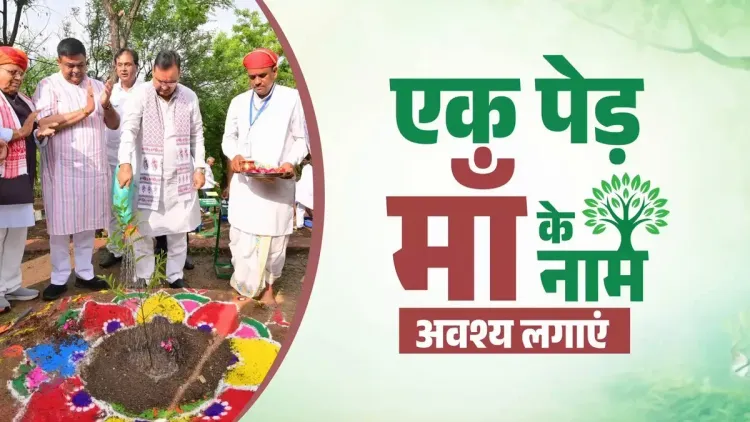
Synopsis
Rajasthan CM Bhajan Lal Sharma backed PM Modi's 'Ek Ped Maa Ke Naam' tree plantation drive on 1 August 2026, calling it a people's movement and urging every resident to plant a sapling in their mother's name for a greener, safer Rajasthan.
Key Takeaways
CM Bhajan Lal Sharma publicly endorsed 'Ek Ped Maa Ke Naam' on 1 August 2026 , urging all Rajasthan residents to participate.
The campaign was originally launched by PM Narendra Modi on World Environment Day, 5 June 2024 .
The initiative links tree plantation emotionally to reverence for mothers, building on a tradition dating to Van Mahotsav (1950) .
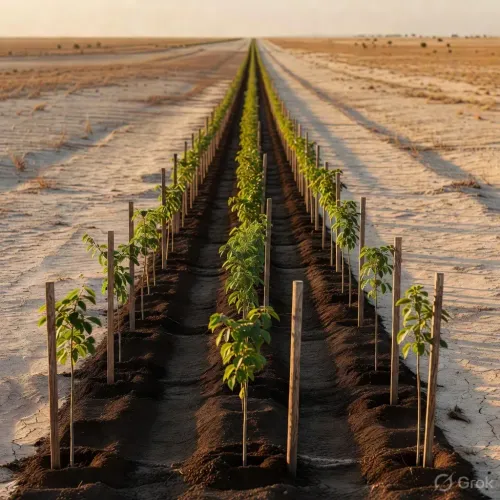
Rajasthan , India's largest and one of its most arid states, is a high-stakes arena for any afforestation effort.
State-level plantation targets and sapling survival rates from the Rajasthan Forest Department will be the key metrics to watch.
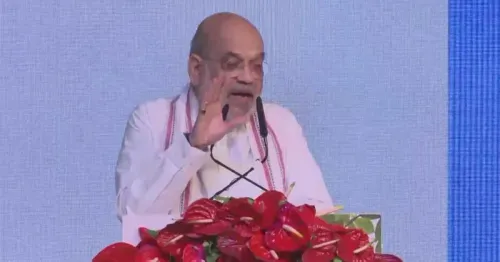
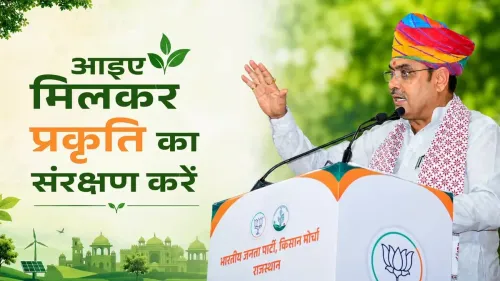
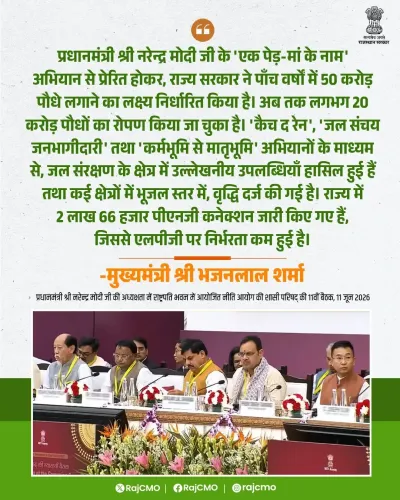
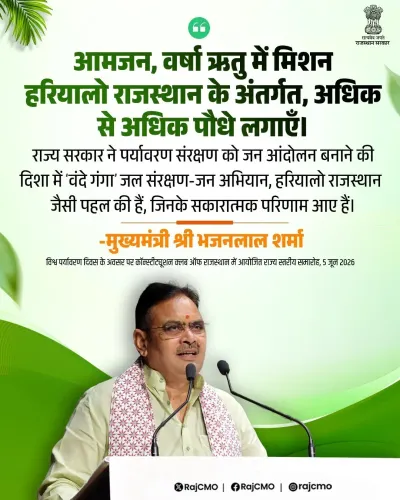
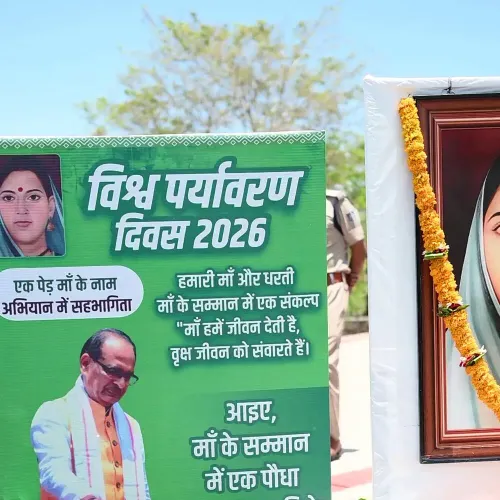
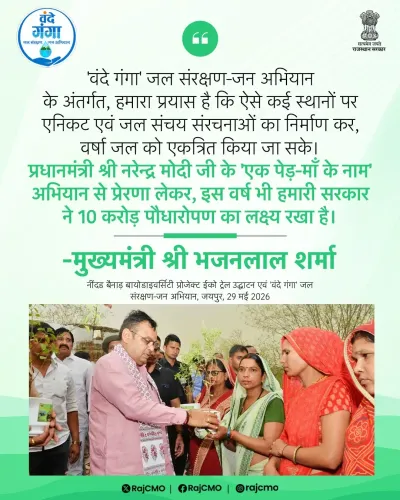
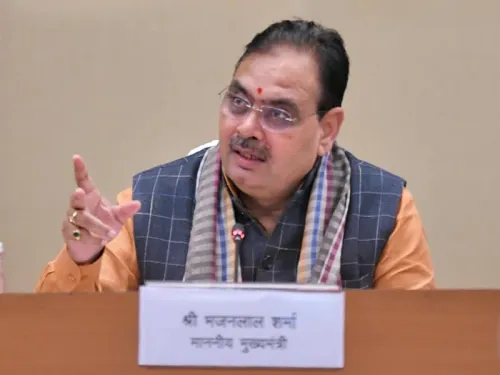
A tree for every mother — and a greener Rajasthan for every child. Rajasthan Chief Minister Bhajan Lal Sharma on Saturday, 1 August 2026, threw his weight behind Prime Minister Narendra Modi's 'Ek Ped Maa Ke Naam' campaign, calling on every resident of the state to plant a sapling in their mother's name and pass on a thriving, secure landscape to the next generation.
Posting in Hindi, CM Sharma declared that the initiative — 'ek sashakt jan-andolan' (a powerful people's movement) — had grown far beyond a government directive into a cultural call to action. 'Protection and reverence for nature is the path to humanity's welfare,' he wrote, urging citizens to honour their mothers' memories through living, rooted green cover across the state.
From World Environment Day to a National Campaign
PM Modi launched 'Ek Ped Maa Ke Naam' on World Environment Day, 5 June 2024, framing tree plantation not as a bureaucratic exercise but as a personal, emotional act — linking environmental duty to the universal bond with one's mother. The campaign sits within India's broader climate architecture under the National Action Plan on Climate Change, which commits India to expanding forest and tree cover to absorb an additional 2.5 to 3 billion tonnes of carbon dioxide equivalent.
The emotional framing is deliberate. Successive drives — from Van Mahotsav, launched in 1950 by K.M. Munshi, to present-day campaigns — have found that tying plantation to cultural values dramatically lifts public participation. 'Ek Ped Maa Ke Naam' extends that tradition by making the act intimate and personal rather than civic and obligatory.
Why Rajasthan Is a Critical Battleground for Green Cover
Rajasthan, India's largest state by area, is also one of its most arid — the Thar Desert dominates its western reaches, and desertification pressure bears down on agricultural communities year-round. Any meaningful expansion of green cover here carries outsized ecological significance, making CM Sharma's amplification of the campaign more than ceremonial. Eyes will now turn to the Rajasthan Forest Department for state-level plantation targets and, crucially, survival-rate data — the metric that separates genuine afforestation from photo-opportunity saplings.
Whether the campaign gets formally woven into school curricula or panchayat-level programmes will determine its long-term footprint in the state.
One sapling at a time, Rajasthan's leadership is betting that sentiment and policy can take root together — and that a desert state can write a greener chapter for the generation that inherits it.
Point of View
CM Sharma is aligning Rajasthan's environmental posture tightly with the BJP's national narrative of culture-infused governance — turning a climate commitment into a values-driven mass mobilisation. The move is strategically shrewd in a desert state where ecological vulnerability is visceral and visible. The real test, however, will be institutional follow-through: whether plantation drives translate into verifiable green cover gains or remain symbolically potent but ecologically thin. India's record on sapling survival rates makes that the question every analyst should be tracking.
NationPress
16 Sept 2026
Frequently Asked Questions
What is the 'Ek Ped Maa Ke Naam' campaign?
'Ek Ped Maa Ke Naam' is a national tree plantation initiative launched by PM Narendra Modi on World Environment Day, 5 June 2024 , calling on every Indian to plant a tree in the name of their mother as an act of environmental and emotional tribute.
What did Rajasthan CM Bhajan Lal Sharma say about the campaign?
CM Bhajan Lal Sharma called the campaign a 'sashakt jan-andolan' (powerful people's movement) on 1 August 2026 , urging Rajasthan residents to plant saplings in their mothers' names and leave a greener, safer state for future generations.
Why is tree plantation important in Rajasthan?
Rajasthan is India's largest state by area and one of its most arid, with the Thar Desert covering much of its west. Expanding green cover here is critical to checking desertification and protecting agricultural communities from climate stress.
What is Van Mahotsav and how does it relate to this campaign?
Van Mahotsav is India's annual tree plantation festival, initiated in 1950 by K.M. Munshi to promote afforestation. 'Ek Ped Maa Ke Naam' continues this tradition by adding a personal, emotional dimension to mass plantation drives.
How will the success of 'Ek Ped Maa Ke Naam' in Rajasthan be measured?
Success will depend on state-level plantation targets and sapling survival-rate data published by the Rajasthan Forest Department , as well as whether the campaign is formally integrated into school or panchayat -level programmes.