CM Dhami Shares Navratri Kanya Puja Shloka on X
Synopsis
Uttarakhand Chief Minister Pushkar Singh Dhami shared a classical Sanskrit Kanya Puja shloka on Navratri, invoking the girl child as the living embodiment of Lakshmi and all nine Durgas — a devotional gesture consistent with the state's deep Shakti-worship traditions.
Key Takeaways
CM Pushkar Singh Dhami posted a Sanskrit shloka on October 20, 2026 , coinciding with the Navratri festival.
The verse is a classical Kanya Puja invocation identifying the young girl with Lakshmi and the nine forms of Durga .
Kanya Puja is traditionally observed on the Ashtami or Navami of Navratri, when young girls are honoured as goddess incarnates.
Uttarakhand is home to several prominent goddess shrines, making Shakti worship central to the state's cultural identity.
Indian chief ministers regularly share devotional Sanskrit verses on social media during major Hindu festivals.
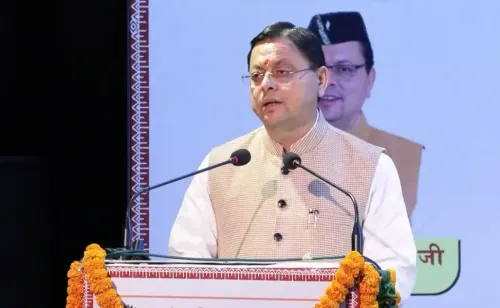
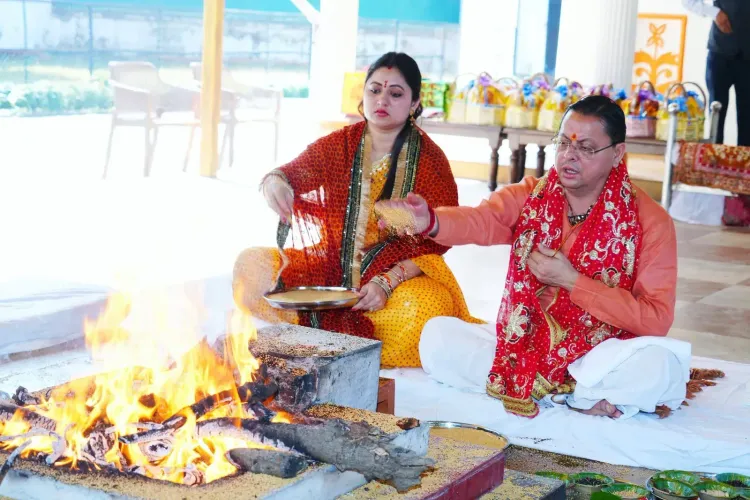
As Navratri devotion sweeps across Uttarakhand, Chief Minister Pushkar Singh Dhami turned to Sanskrit scripture on Tuesday, October 20, 2026, sharing a sacred verse invoking the divine feminine — a gesture that places the spiritual at the centre of public life during one of Hinduism's most observed festivals.
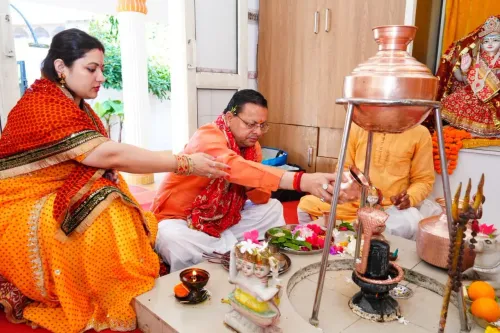
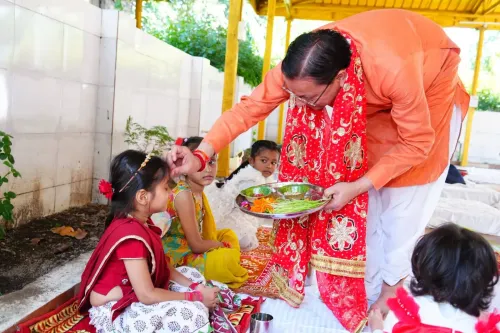
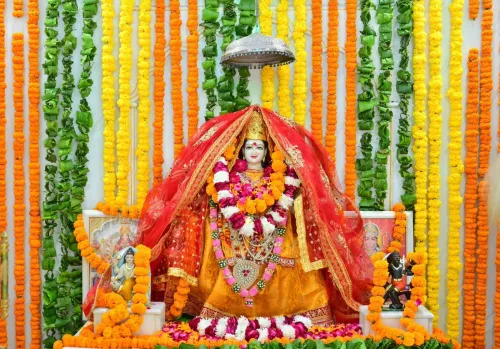
The verse CM Dhami shared reads: 'मन्त्राक्षरमयीं लक्ष्मीं मातृणां रूपधारिणीम्। नवदुर्गात्मिकां साक्षात् कन्यामावाहयाम्यहम्॥' — translated as, 'I invoke the young girl who is the embodiment of sacred syllables and Lakshmi, who assumes the form of all mothers, who is the very soul of the nine Durgas.' The shloka is a classical invocation used during Kanya Puja, the ritual in which young girls are honoured as earthly manifestations of the goddess.
The tradition of Kanya Puja in Navratri observance
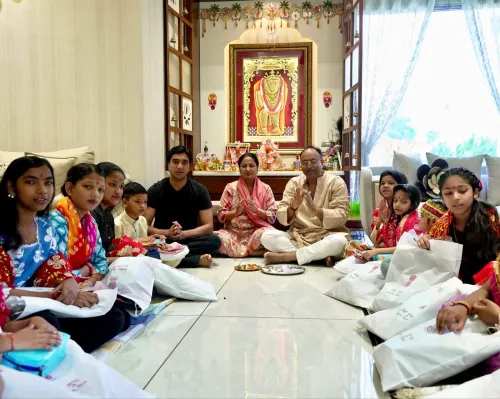
Kanya Puja — also known as Kanjak — is performed on the Ashtami or Navami tithi of Navratri, when girls typically between the ages of two and ten are welcomed into homes as living embodiments of the goddess Durga. They are offered a ritual meal of halwa, poori, and chana, along with gifts. The verse Dhami chose crystallises the theological core of this practice: the girl child is not merely a symbol but a direct, present-tense manifestation of divine power.
Why elected leaders post Sanskrit shlokas during festivals
Indian chief ministers have long used social media during Navratri, Diwali, and other Hindu observances to share devotional verses — a practice that simultaneously signals personal faith and a government's attunement to cultural sentiment. For CM Dhami, whose tenure in Dehradun has been marked by active engagement with the state's deep Shakti-worship traditions, the post fits an established pattern. Uttarakhand itself is home to powerful goddess shrines — from Nanda Devi to Surkanda Devi — making such expressions especially resonant with the state's identity.
The verse's reference to Navadurgatmikam — 'the one who is the essence of the nine Durgas' — aligns the girl child with the full theological arc of Navratri itself, across all nine nights of the festival. It is, in a single couplet, both a devotional declaration and a cultural statement about the dignity accorded to the girl child in this tradition.
With Navratri festivities continuing across the state, government-organised Kanya Puja events and goddess-procession observances remain likely in the days ahead — a calendar that this post quietly anticipates.
Point of View
But unmistakably public in intent. For Dhami, whose BJP base in Uttarakhand draws heavily on Hindu cultural identity, the choice of a Kanya Puja verse is particularly calibrated: it honours the girl child through a theological frame, sidestepping any policy claim while aligning the government with one of the festival's most emotionally resonant rituals. The broader pattern reveals how festival-season posts function as soft cultural diplomacy — low controversy, high solidarity. Worth watching is whether this signals any upcoming state-level Kanya Puja observances that translate the devotional gesture into governance visibility.
NationPress
20 Oct 2026
Frequently Asked Questions
What does the shloka posted by CM Dhami mean in English?
The verse translates as: 'I invoke the young girl who is the embodiment of sacred syllables and Lakshmi, who assumes the form of all mothers, and who is the very soul of the nine Durgas.' It is a classical Kanya Puja invocation used during Navratri.
What is Kanya Puja and when is it performed?
Kanya Puja is a Navratri ritual in which young girls, typically aged two to ten, are worshipped as earthly manifestations of the goddess Durga. It is traditionally performed on Ashtami or Navami, the eighth or ninth day of Navratri.
Why do Indian politicians share Sanskrit shlokas on social media during Navratri?
Indian chief ministers and other leaders regularly post devotional Sanskrit verses during Hindu festivals to express personal faith and cultural solidarity with their constituencies. It is an established form of festival-season political communication.
What is the significance of Navratri in Uttarakhand?
Uttarakhand is home to many prominent goddess shrines, including those dedicated to Nanda Devi and Surkanda Devi, making Shakti worship a defining part of the state's cultural and religious identity. Navratri is widely observed across the hill state.
Who is Pushkar Singh Dhami?
Pushkar Singh Dhami is the Chief Minister of Uttarakhand and a senior BJP leader known for engaging actively with the state's Hindu cultural and religious traditions during his tenure.