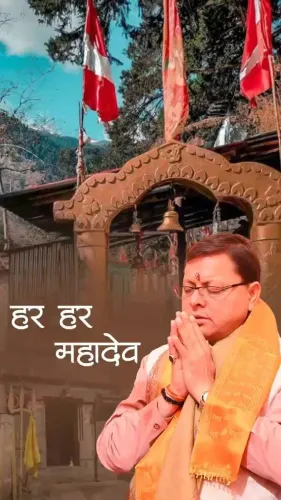
CM Dhami Promotes Kundi Soteshwar Mahadev Temple in Haridwar
Synopsis
Uttarakhand Chief Minister Pushkar Singh Dhami on 27 July 2026 spotlighted the ancient Shri Kundi Soteshwar Mahadev Temple in Haridwar, describing it as a sacred Shiva shrine near Rajaji Tiger Reserve and urging pilgrims to visit during their stay in the district.
Key Takeaways
CM Pushkar Singh Dhami promoted Shri Kundi Soteshwar Mahadev Temple in Haridwar via a post on X on 27 July 2026 .
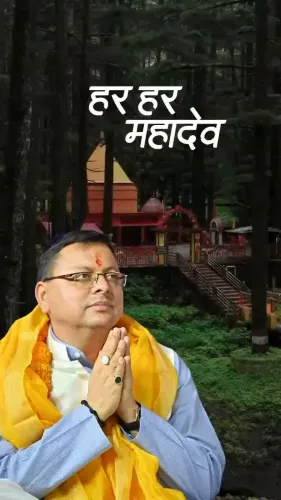
The temple is located near Rajaji Tiger Reserve in a natural and tranquil setting.
The shrine is dedicated to Lord Shiva and is regarded by devotees as one of the sacred ancient sites in Haridwar district.
Local religious tradition holds the Shivling to be 'Swayambhu' (self-manifested), a belief central to the temple's devotional significance.
The post is part of CM Dhami 's broader pattern of using social media to promote lesser-known religious and heritage sites across Uttarakhand .
Increased visitor attention to the site could prompt state review of infrastructure and visitor management near the tiger reserve buffer zone.
Uttarakhand Chief Minister Pushkar Singh Dhami on Monday, 27 July 2026 took to X to spotlight Shri Kundi Soteshwar Mahadev Temple, an ancient Shiva shrine located in Haridwar district, urging visitors to include it in their pilgrimage itinerary when travelling to the region.
Context
In his post, CM Dhami described the temple as 'देवाधिदेव भगवान शिव को समर्पित एक अत्यंत पावन और प्राचीन स्थल' (an extremely sacred and ancient site dedicated to Lord Shiva, the God of Gods). He noted that the shrine is situated amid the natural and tranquil surroundings near Rajaji Tiger Reserve, making it distinctive among Haridwar's many pilgrimage destinations. The Chief Minister also relayed the popular belief that the Shivling enshrined here is 'Swayambhu' — self-manifested — and that devotees' wishes are fulfilled upon prayer, though these are longstanding religious traditions rather than verified claims.
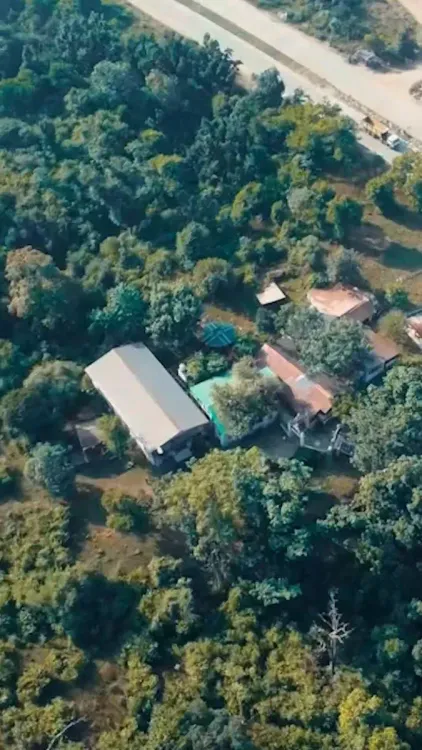
Dhami concluded his post with a direct invitation: 'You too must visit this sacred temple when you come to Haridwar district.' The post was accompanied by a video, giving followers a visual glimpse of the temple and its surroundings.
Policy Backdrop
Uttarakhand has long positioned itself as India's foremost pilgrimage state, home to the Char Dham circuit and dozens of lesser-known but historically significant shrines. State administrations across party lines have used digital outreach to surface temples that sit outside the mainstream tourist trail, aiming to spread visitor footfall beyond the most congested pilgrimage routes.
CM Dhami has been particularly active on social media in amplifying religious and heritage sites across all districts of the state. Posts of this nature serve a dual purpose: reinforcing cultural identity and stimulating local religious tourism economies, including hospitality, transport, and ancillary services around smaller temple towns.
Stakeholders and Impact
The temple's proximity to Rajaji Tiger Reserve — a protected biodiversity corridor — adds a layer of significance to any uptick in visitor numbers. Increased footfall near buffer zones of tiger reserves requires careful management to avoid disturbance to wildlife corridors, a balance that Uttarakhand's forest and tourism departments have had to navigate at multiple sites across the state.
For Haridwar's pilgrims and religious tourists, the Chief Minister's endorsement of a lesser-publicised shrine like Kundi Soteshwar Mahadev can meaningfully redirect devotee traffic, benefiting local priests, small vendors, and guesthouses in the vicinity. The temple already draws a steady base of local devotees who regard it as a site of deep faith.
What's Next
Following high-profile social media promotion by the Chief Minister, such sites in Uttarakhand have historically seen state-level follow-through in the form of infrastructure reviews — improved road access, basic amenities, or regulated visitor management plans, particularly where proximity to protected forest land is a factor. Whether Kundi Soteshwar Mahadev Temple is included in any upcoming tourism or heritage development announcements from the state government remains to be seen.
As Uttarakhand continues to expand its religious tourism footprint beyond the Char Dham circuit, temples like Kundi Soteshwar Mahadev — ancient, nature-framed, and carrying strong community faith — are likely to feature more prominently in the state's broader cultural outreach calendar.
Point of View
Using the Chief Minister's personal reach to surface sites that official tourism campaigns often overlook. By highlighting a temple within the ecological shadow of Rajaji Tiger Reserve, the post implicitly raises questions about how the state intends to balance rising pilgrimage traffic with conservation mandates — a tension that will only sharpen as Uttarakhand's religious tourism numbers grow. The move also reinforces Dhami's political brand as a culturally rooted BJP leader, keeping the party's Hindu heritage messaging active between major policy announcements. For smaller temple economies across the state, this kind of high-profile endorsement can be transformative, even without a single rupee of direct state investment.
NationPress
27 Jul 2026
Frequently Asked Questions
Where is Kundi Soteshwar Mahadev Temple located?
Shri Kundi Soteshwar Mahadev Temple is located in Haridwar district of Uttarakhand , near Rajaji Tiger Reserve , in a natural and peaceful forest setting.
Why did CM Dhami post about Kundi Soteshwar Mahadev Temple?
Uttarakhand Chief Minister Pushkar Singh Dhami shared a post on 27 July 2026 to promote the ancient Shiva temple and invite pilgrims visiting Haridwar to include it in their itinerary, as part of the state's religious tourism outreach.
What is the significance of the Swayambhu Shivling at Kundi Soteshwar Mahadev?
According to longstanding religious tradition, the Shivling at Kundi Soteshwar Mahadev Temple is believed to be 'Swayambhu' — meaning self-manifested rather than man-made — which is considered especially sacred in Hindu belief.
Is Kundi Soteshwar Mahadev Temple near Rajaji Tiger Reserve safe to visit?
The temple is situated near Rajaji Tiger Reserve in a natural environment; visitors are advised to follow all local guidelines and forest department regulations when travelling in the vicinity of the protected area.
How can I visit Kundi Soteshwar Mahadev Temple in Haridwar?
The temple is accessible within Haridwar district in Uttarakhand ; pilgrims travelling to Haridwar can include it as part of their visit, with the Chief Minister specifically recommending a darshan stop during any trip to the district.